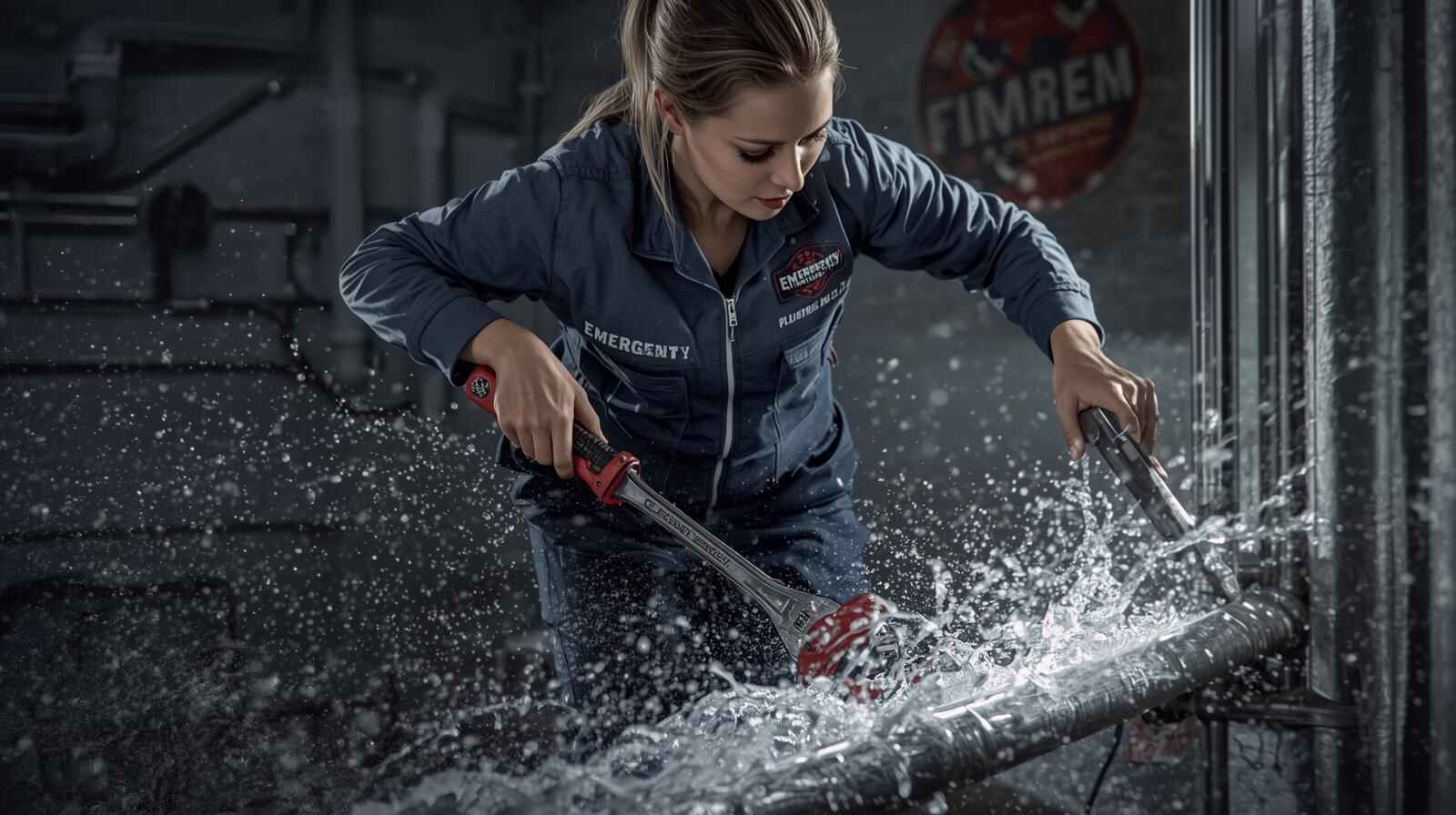

A running toilet is more than an annoyance—it’s a hidden drain on your water bill and a potential sign of deeper plumbing issues. Homeowners often search for quick fixes before calling professional help, especially when they want to avoid unnecessary emergency plumber services. Fortunately, many running-toilet problems can be resolved with simple tools and a few minutes of attention. Whether you’re dealing with minor leaks or constant tank refills, these DIY techniques can save time, money, and stress while helping you determine when it’s time to contact Emergency Plumber Inc for more serious concerns.
Why Running Toilets Happen and When to Consider Emergency Plumbing
Most running toilets stem from worn-out parts, incorrect water levels, or small misalignments inside the tank. While many of these issues are easy to correct, continuous running can indicate a larger problem in your plumbing system. If the toilet won’t stop running after you’ve tried several fixes—or if you notice water pooling around the base—it may be time to look into reliable emergency plumber services to prevent property damage. Emergency Plumbing experts can quickly diagnose underlying issues that DIY repairs might miss.
DIY Fix #1: Adjust the Flapper Chain
A chain that’s too tight or too loose prevents the flapper from sealing properly. Remove the tank lid and check its length. Adjust the clip up or down so the flapper closes fully without tension. This simple correction often restores normal function in minutes.
DIY Fix #2: Clean or Replace the Flapper
Mineral buildup or deterioration can cause the flapper to leak water. Turn off the water supply, flush the toilet, and inspect the rubber. If it’s warped or rough, replace it with a matching model. When maintained regularly, flappers last 3–5 years and can prevent unnecessary emergency plumbing calls.
DIY Fix #3: Readjust the Float Height
If your toilet keeps refilling, the float may be set too high. Lower it so the water stops about an inch below the overflow tube. Toilets with modern fill valves often have an adjustable screw—turn it slowly until the water level stabilizes.
DIY Fix #4: Inspect the Fill Valve
A malfunctioning fill valve can keep water flowing endlessly. Remove the cap, rinse debris from inside, and reassemble. If the valve is old or corroded, replacing it is inexpensive and straightforward. Homeowners uncomfortable with this step can contact fast emergency plumbing help, especially if the valve is leaking.
DIY Fix #5: Fix the Overflow Tube Height
If the overflow tube is too short or cracked, the toilet won’t stop running. Ensure the tube stands at the correct height—usually slightly above the water level. If it’s damaged, replacing it is simple with a hacksaw and a replacement tube from any hardware store.
DIY Fix #6: Tighten or Replace the Flush Handle
A sticky or loose handle can keep the flapper open, allowing water to run continuously. Remove any mineral buildup around the handle nut and tighten it gently. Avoid over-tightening, which may crack the porcelain. A new handle costs only a few dollars and instantly improves performance.
DIY Fix #7: Check for a Leaky Tank-to-Bowl Seal
If water runs intermittently, the tank-to-bowl gasket may be worn. Turn off the water, drain the tank, and unbolt it carefully. Replace the gasket with a similar model and reattach the tank securely. If bolts are rusted, this repair can get tricky, and you might consider reaching out for professional emergency plumber services to avoid cracking the porcelain.
DIY Fix #8: Clear Sediment from the Water Line
Sediment buildup affects both performance and water flow consistency. Shut off the supply valve, disconnect the line, and flush it gently with clean water. Once cleared, reconnect and test the toilet. This simple maintenance task reduces wear on internal components and improves overall system efficiency.
DIY Fix #9: Replace the Entire Toilet Valve Assembly
If individual components are aging, replacing them one by one might not solve the issue long-term. Installing a complete valve kit ensures all parts are new and compatible. Kits include the fill valve, flapper, flush valve, and seals, giving your toilet a fresh start. When installed correctly, this can eliminate running-water problems for years.
DIY Fix #10: Check for Cracks Inside the Tank
Cracks—especially hairline ones—may cause hidden leaks, forcing the system to refill constantly. Inspect the inside of the tank with a flashlight. If you see moisture forming where it shouldn’t, you may need a new tank. At this point, it’s wise to schedule Emergency Plumber Inc for a full assessment to avoid escalating water damage.
When DIY Isn’t Enough
While most running-toilet issues are simple to fix, some cases involve deeper plumbing problems like supply-line failures, sewer pressure issues, or worn-out shutoff valves. If your toilet continues running after trying several of these solutions, or if you notice loud hissing, water hammering, or recurring leaks, it’s time to consult Emergency Plumber Inc. Their certified technicians can provide fast diagnostics and long-term solutions, ensuring your toilet and plumbing system operate safely and efficiently.
How Emergency Plumber Inc Helps Homeowners Avoid Costly Repairs
Emergency Plumber Inc offers round-the-clock emergency plumber services for homeowners who need immediate assistance. Their team understands that plumbing issues don’t follow convenient schedules. From running toilets to major pipe leaks, expert emergency plumbing technicians arrive fully equipped to handle the problem on the spot. They also perform preventive inspections to help homeowners identify weaknesses in their plumbing before they cause expensive damage. With transparent pricing and trusted service, they remain a top choice for urgent plumbing needs in your city.
Preventive Tips to Keep Toilets from Running Again
Once your toilet is fixed, it’s important to prevent the issue from reoccurring. Check internal components every six months, especially the flapper and fill valve. Clean mineral deposits regularly, especially if you live in a hard-water area. Avoid using drop-in tank tablets containing bleach, as they degrade rubber parts prematurely. Keeping your toilet maintained ensures fewer surprises and reduces future reliance on emergency plumber services.
FAQ
1. What causes a toilet to run constantly?
• Common causes include a faulty flapper, incorrect float height, leaking fill valve, or damaged overflow tube.
2. How long should a flapper last?
• Most flappers last between 3 and 5 years, depending on water quality and usage.
3. When should I call emergency plumbing services?
• If the toilet leaks onto the floor, won’t stop running after multiple fixes, or shows signs of tank cracks.
4. Can running toilets increase my water bill?
• Yes, a running toilet can waste hundreds of gallons daily, significantly raising monthly water costs.
5. Is replacing a fill valve a DIY job?
• Usually yes, but if the shutoff valve is stuck or leaking, professional help is recommended.

You Might Like Also


Essential Egypt Travel Information: Visa Denial and Customs Regulations






