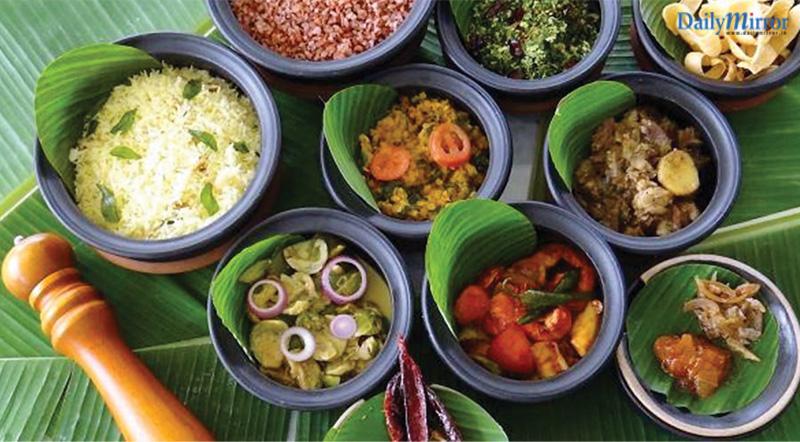
A Flavorful Journey Through the Sri Lanka Food Festival: Dishes, Culture & Travel Tips

December 12, 2025
Sri Lanka is a dream come true for food lovers—an island where every dish carries a story, every spice has a legacy, and every meal feels like a celebration. Shaped by centuries of cultural exchange, trade routes, and regional traditions, Sri Lanka’s culinary identity is vibrant, diverse, and deeply comforting. One of the best ways to explore these flavors is by attending the annual Sri Lanka Food Festival, a lively showcase of authentic dishes, local chefs, and traditional cooking experiences.
For travelers planning a trip, attending this festival is not just a foodie adventure—it’s a journey into the heart of Sri Lankan culture. And before packing your bags, make sure you complete your Sri Lanka visa or Sri Lanka eVisa application so your travel plans stay smooth and stress-free.
Why Experience the Sri Lanka Food Festival?
The Sri Lanka Food Festival brings together everything people love about the country’s gastronomy—street food, traditional recipes, modern twists, coastal seafood, and sweet delicacies. Every year, both locals and international travelers gather to taste, explore, and celebrate.
From live cooking demonstrations to curated food stalls and cultural performances, the event offers:
- A full range of dishes from different regions
- Fusion menus inspired by Sri Lanka’s multicultural heritage
- Cooking classes hosted by expert chefs
- Sweet and savory delicacies prepared fresh onsite
For visitors flying in from abroad, having your Sri Lanka tourist visa, Sri Lanka online visa, or Sri Lanka ETA ready in advance ensures you can focus entirely on the flavors waiting for you.
Must-Try Dishes at the Sri Lanka Food Festival
1. Hoppers (Appa) – The Symbol of Sri Lankan Breakfast
There is hardly a dish more iconic than hoppers. These bowl-shaped pancakes made from fermented rice flour and coconut milk are crisp at the edges with a soft center. Whether you prefer plain hoppers, egg hoppers, or sweet honey hoppers, the experience is unforgettable.
At the festival, vendors prepare them fresh, pairing them with spicy sambol or hearty curry. It’s a dish that captures the simplicity and warmth of Sri Lankan home cooking.
2. Kottu Roti – Sri Lanka’s Street Food Superstar
You can’t say you've experienced Sri Lanka without hearing the rhythmic clanging of metal knives on a griddle—the unmistakable sound of Kottu Roti being prepared.
Made from shredded flatbread stir-fried with vegetables, eggs, meat, spices, and sauces, Kottu Roti is flavorful, filling, and loved everywhere.
During the festival, chefs demonstrate the entire cooking process, turning it into a performance as much as a meal.
3. Lamprais – A Flavorful Colonial Legacy
Lamprais is one of the Sri Lankan dishes that perfectly reflects the island’s complex cultural roots. Originating from the Dutch Burgher community, Lamprais features rice cooked in meat stock, mixed meat curry, ash plantain, sambol, and egg—all wrapped and baked in a banana leaf.
The slow steaming process infuses the rice with aromatic flavors, creating a comforting and hearty meal. It’s a festival favorite for anyone curious about Sri Lanka’s multicultural influences.
4. Fish Ambul Thiyal – The King of Sour Curries
Seafood lovers are in for a treat. Fish Ambul Thiyal, usually prepared with tuna, is a bold and tangy dry curry made with black pepper, turmeric, fragrant curry leaves, and goraka—a sour fruit responsible for its signature taste.
This dish is deeply loved across the island, especially in coastal communities. At the festival, you’ll find several seafood stalls offering regional variations of Ambul Thiyal.
5. Pol Sambol – Sri Lanka’s Most Loved Side Dish
No Sri Lankan meal feels complete without Pol Sambol. This coconut relish made with grated coconut, chili, lime juice, onions, and Maldive fish is packed with punch and pairs beautifully with nearly everything—rice, hoppers, string hoppers, or Kottu.
Many festival workshops even teach visitors how to make Pol Sambol the traditional way, using a grinding stone instead of modern kitchen tools.
6. Watalappam – The Dessert You Can’t Miss
A rich and silky dessert with Muslim Malay origins, Watalappam is made from coconut milk, jaggery, cardamom, and nutmeg. It's creamy, aromatic, and often served at celebrations.
At the festival, you’ll find both classic and modern variations of Watalappam—some infused with cinnamon, chocolate, or caramel for a contemporary twist.
Planning Your Trip to the Sri Lanka Food Festival
If this culinary adventure has captured your imagination, it’s time to plan your visit. Here are a few tips to ensure a smooth and enjoyable journey.
1. Sort Your Sri Lanka Visa in Advance
Before anything else, make sure you complete your Sri Lanka visa, Sri Lanka eVisa, or Sri Lanka online visa application. The digital process is simple and quick, making it easy for travelers to enter the country. Having your Sri Lanka visa for tourists approved early lets you relax and focus on the experiences ahead.
2. Book Your Accommodation Early
Hotels near Colombo and other festival venues fill up fast. Whether you prefer a beachfront resort, city hotel, or boutique stay, booking early guarantees better prices and availability.
3. Explore Cooking Classes
Many chefs at the festival offer short cooking workshops where you can learn techniques for making popular dishes like Pol Sambol, Kiribath, or creamy crab curry.
4. Discover More Beyond the Festival
Though the food festival is the highlight, Sri Lanka has so much more to offer:
- Colombo’s bustling street food scenes
- Galle’s charming coastal cafes
- Seafood markets by the ocean
- Tea estates in Nuwara Eliya
- Spice gardens and local cooking tours
Exploring these places adds depth to your culinary journey
Conclusion
The Sri Lanka Food Festival is more than an event—it’s a flavorful gateway into the island’s heritage. Each dish, whether a humble hopper or a sophisticated Lamprais, reflects Sri Lanka’s diverse history, geography, and traditions. For food lovers, it’s an irresistible invitation to taste, learn, and explore.
Before you dive into this delicious experience, ensure that your Sri Lanka visa, Sri Lanka travel visa, or Sri Lanka ETA is completed online so you can enjoy a smooth entry into the country. The simple Sri Lanka visa application and quick Sri Lanka eVisa approval process allow you to focus on what truly matters: discovering unforgettable flavors and creating lasting memories at this extraordinary festival.
Get ready to savor Sri Lanka—one vibrant dish at a time.




