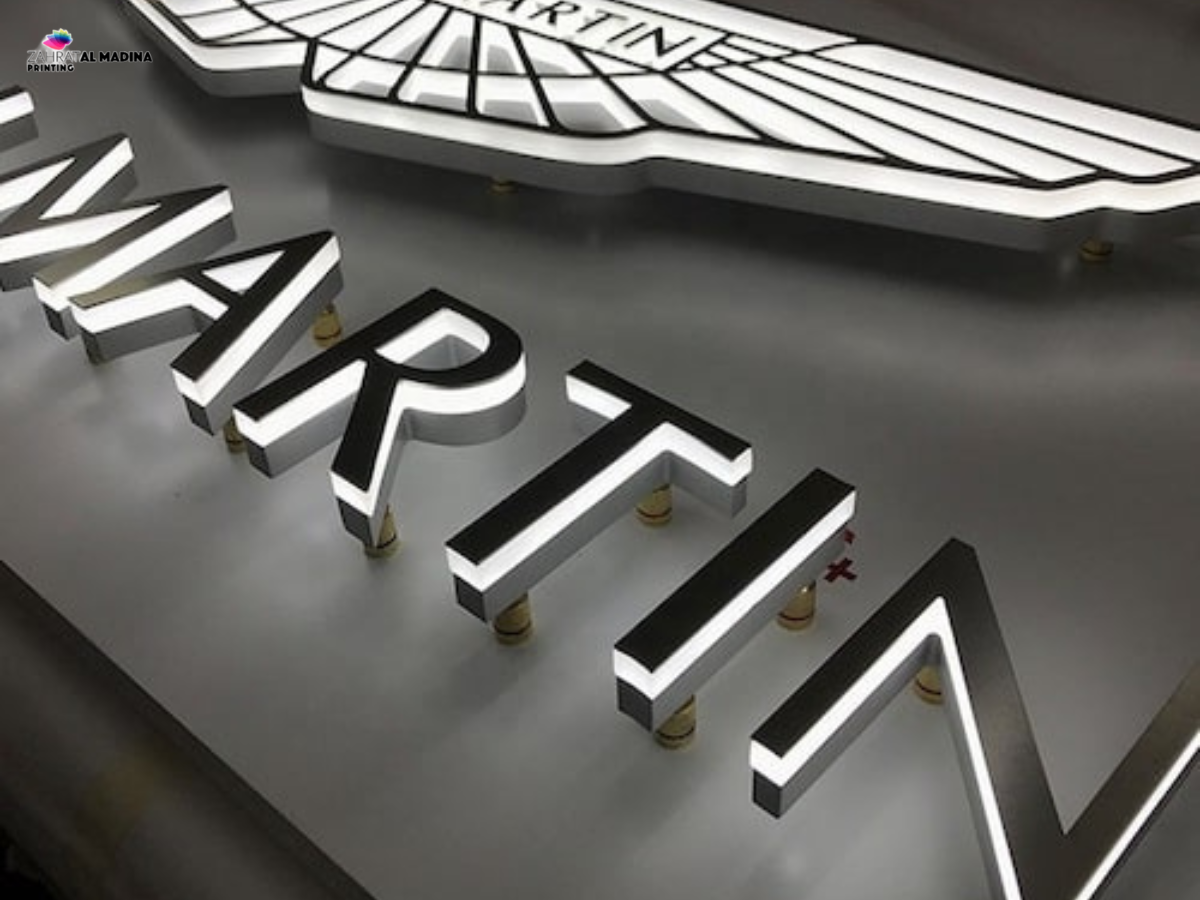
Best Acrylic Sign Board: Everything You Need to Know

January 21, 2026
Acrylic sign boards have become one of the most popular signage solutions for businesses, institutions, and public spaces. From offices and hospitals to restaurants and retail shops, acrylic signs are favored for their sleek appearance, durability, and versatility. In today’s visually-driven world, having high-quality signage is essential for clear communication and professional presentation.
This article explains what makes the best acrylic sign board, including materials, printing methods, types, advantages, challenges, and practical considerations. Whether you are new to signage or planning your first purchase, this guide provides clear, up-to-date information to make informed decisions.
What Is an Acrylic Sign Board?
An acrylic sign board is a display made from acrylic sheets, also called PMMA (polymethyl methacrylate). Acrylic is a lightweight, shatter-resistant alternative to glass that offers excellent clarity and durability.
Acrylic signs can come in various forms:
Transparent, frosted, or opaque
Colored or clear
Printed, engraved, or cut into specific shapes
They can be mounted on walls, hung from ceilings, or displayed on stands using spacers, frames, or adhesives.
Why Acrylic Sign Boards Are Important Today
Signage plays a key role in guiding people, sharing information, and creating a professional environment. Acrylic sign boards are preferred because they:
Offer a clean, modern look
Withstand wear and tear over time
Can be adapted for different spaces and applications
Work well with modern printing and lighting technologies
As businesses and institutions focus more on aesthetics and functionality, acrylic signs have become a practical and stylish choice for professional signage.
Key Features of the Best Acrylic Sign Board
Choosing a high-quality acrylic sign involves considering several factors.
1. Material Quality
The best acrylic boards are:
Even in thickness
Free of bubbles, cracks, or distortions
Resistant to yellowing from sunlight exposure
Low-quality acrylic may warp, crack, or lose clarity, especially in high-traffic or outdoor environments.
2. Thickness and Durability
Acrylic sheets range from 2 mm to 10 mm or more. Thicker boards:
Appear more premium
Last longer
Work better for larger signs
Thinner sheets are lighter and cost-effective, making them suitable for smaller indoor signage.
3. Surface Finish
Surface finish affects the sign’s appearance and readability. Options include:
Glossy: shiny, vibrant, eye-catching
Matte: reduces glare and reflections
Frosted: diffuses light for a soft, modern look
Choosing the right finish depends on lighting conditions and the desired visual effect.
Common Types of Acrylic Sign Boards
Clear Acrylic Signs
Clear acrylic is versatile and commonly used for:
Office directories
Corporate logos
Informational displays
Graphics or text can be printed, engraved, or applied as vinyl.
Frosted Acrylic Signs
Frosted acrylic provides privacy while maintaining a modern look. It is often found in:
Hospitals and clinics
Offices and meeting rooms
Privacy partitions
Colored Acrylic Signs
Colored sheets eliminate the need for background printing. They are ideal for:
Wayfinding systems
Safety signage
Decorative branding elements
Backlit Acrylic Signs
These signs integrate LEDs for illuminated displays, suitable for:
Retail stores
Reception areas
Outdoor storefronts
Backlighting enhances visibility, especially in low-light settings.
Printing Methods for Acrylic Sign Boards
The way a sign is printed affects its durability, clarity, and overall appearance.
UV Printing
UV printing uses ultraviolet light to cure ink directly onto the acrylic. Benefits include:
Sharp text and high-resolution images
Scratch-resistant surfaces
Long-lasting color stability
UV printing is commonly used to achieve the best acrylic sign board quality.
Vinyl Application
Vinyl lettering or graphics can be applied to acrylic sheets. This method is simple and cost-effective, especially for:
Temporary signage
Minimalist designs
However, vinyl may peel over time if not applied or maintained properly.
Laser Engraving
Laser engraving creates precise designs by removing material from the acrylic surface. It works well for:
Nameplates
Directional signage
High-end office signs
Engraving produces a professional, clean look that lasts for years.
Real-World Applications
Offices and Corporate Spaces
Acrylic signs are used for:
Company logos
Department or room identification
Informational displays
They enhance professionalism and improve navigation within buildings.
Retail and Hospitality
Shops, hotels, and restaurants use acrylic signs for:
Menus
Wayfinding
Promotional displays
Clear and attractive signs improve the customer experience and visual appeal.
Healthcare Facilities
Hospitals, clinics, and medical offices rely on acrylic signage for:
Room numbers
Directions and instructions
Safety information
Durability and ease of cleaning are critical in healthcare environments.
Educational Institutions
Schools and universities use acrylic signs for:
Building directories
Classroom labels
Notices and regulations
Acrylic ensures readability and long-term use in busy school environments.
Benefits of Acrylic Sign Boards
Durability: Less likely to shatter compared to glass
Clarity: Offers excellent transparency and color reproduction
Lightweight: Easy to handle and install
Versatile Design: Can be cut, printed, or layered for custom designs
These benefits make acrylic a practical choice for a variety of settings.
Challenges and Limitations
While acrylic signs are versatile, there are some limitations to consider:
Scratch Sensitivity: Acrylic can scratch if cleaned with abrasive materials
Heat Sensitivity: Prolonged exposure to high temperatures may cause warping
Cost Variability: High-quality sheets and professional printing can be expensive
Understanding these factors helps in selecting and maintaining acrylic signage effectively.
Choosing a Reliable Printing Service
The quality of the sign is strongly influenced by the printing service. A best printing shop should provide:
Guidance on material selection
High-quality printing methods
Expertise in installation and finishing
Providers like Zahrat Al Madina Printing Services offer a wide range of acrylic signage options, including UV printing and laser engraving. Always review samples and check their technical capabilities before making a decision.
Maintenance and Care Tips
To keep acrylic signs looking their best:
Clean gently with mild soap and water
Avoid ammonia-based cleaners
Use microfiber cloths to prevent scratches
Check mounting hardware periodically
Regular care ensures longevity and preserves the sign’s clarity and professionalism.
Future Trends in Acrylic Signage
The acrylic signage industry is evolving with technology and design trends.
LED Integration: Increasing use of backlit signs for better visibility
Eco-Friendly Materials: Manufacturers are exploring recyclable acrylic alternatives
Hybrid Displays: Acrylic is used alongside digital screens for interactive information systems
These trends indicate that acrylic signage will remain relevant and adaptable for years to come.
Conclusion
Acrylic sign boards combine clarity, durability, and design flexibility, making them suitable for offices, retail spaces, healthcare facilities, and educational institutions. Choosing the best acrylic sign board requires attention to material quality, printing methods, surface finish, and proper maintenance.
Working with a professional provider, such as a reputable best printing shop or experienced services like Zahrat Al Madina Printing Services, ensures accurate colors, durable finishes, and precise installation.

You Might Like Also






