

If your floors are over 20 years old, you may feel like they’ve simply reached the end of their life. Scratches, dull patches, stains, and uneven shine can make even a well-designed space feel tired and outdated.
Many homeowners in the floor polishing in Melbourne southern suburbs market ask the same question: can polishing really restore floors that old, or is replacement the only option?
The good news is that in many cases, professional floor polishing can dramatically transform 20-year-old surfaces, often at a fraction of the cost of replacement.
Let’s explore how and when restoration is possible.
What Happens to Floors Over 20 Years?
Over two decades, floors naturally experience wear from foot traffic, furniture movement, spills, sunlight exposure, and general aging.
Common issues include:
- Surface scratches and scuff marks
- Dull or faded finish
- Minor stains
- Loss of protective coating
- Uneven sheen between high-traffic and low-traffic areas
Timber floors may lose their original gloss. Engineered surfaces may appear tired. Even polished concrete can lose its clarity.
However, in many cases, the damage is surface-level, which means restoration is possible.
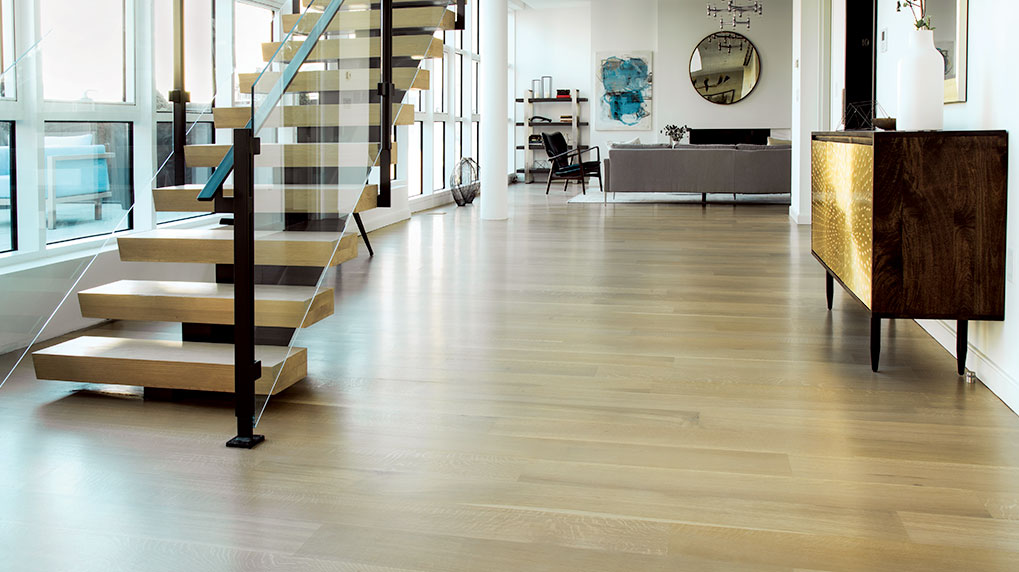
When Floor Polishing Can Restore Old Surfaces
Floor polishing refines and restores the top layer of the flooring material. The success of restoration depends on the condition of the underlying structure.
If the core material remains stable and intact, polishing can:
- Remove surface scratches
- Eliminate minor stains
- Restore gloss and smoothness
- Refresh faded appearance
- Create a uniform finish
Twenty-year-old floors often respond well to polishing if they have not suffered deep structural damage.
Professional assessment is key to determining feasibility.
Timber Floors: A Strong Candidate for Restoration
Solid timber floors are particularly resilient.
Many timber floors can be sanded and polished multiple times throughout their lifespan. If the boards remain structurally sound and thick enough, sanding removes the worn top layer and polishing restores shine.
In homes across Melbourne’s southern suburbs, it is common to see 20-year-old timber floors brought back to near-new condition through professional refinishing.
Even deep scuffs and dullness often disappear once the fresh timber layer is exposed and sealed.
Engineered Timber Floors: Restoration with Limits
Engineered timber floors have a thinner real wood layer on top. Whether they can be polished depends on the thickness of that veneer.
If sufficient material remains, light sanding and polishing may still improve the appearance significantly.
However, heavily worn engineered floors with minimal veneer thickness may require alternative solutions.
A professional inspection ensures the correct approach.
Polished Concrete and Other Surfaces
Concrete floors are highly durable and respond very well to polishing, even after decades of use.
Grinding and polishing processes can remove surface imperfections and enhance clarity. Stains may require additional treatment, but many old concrete floors regain their smooth, reflective finish.
Other surfaces, such as terrazzo or natural stone, can also benefit from specialised polishing techniques.
The restoration method varies based on material type.
When Replacement May Be Necessary
While professional floor polishing in Melbourne southern suburbs service can restore many 20-year-old surfaces, some situations require replacement.
These include:
- Severe water damage
- Deep structural cracks
- Extensive board warping
- Subfloor instability
- Termite damage in timber
In such cases, polishing alone cannot correct foundational issues.
However, full replacement is often less common than many homeowners assume.
The Advantages of Polishing Instead of Replacing
Choosing floor polishing over replacement offers several benefits.
Cost efficiency is one of the biggest advantages. Refinishing typically costs significantly less than removing and reinstalling new flooring.
Polishing also preserves the floor's original character. Older timber often has grain patterns and depth that modern materials cannot replicate.
Additionally, restoration is less disruptive than full replacement, allowing homeowners to complete projects more quickly.
For many properties in Melbourne's southern suburbs, polishing becomes the practical and aesthetic choice.
What the Restoration Process Involves
Professional floor polishing typically includes:
- Inspection and surface preparation
- Sanding or grinding (if required)
- Minor repairs
- Application of new protective coatings
- Final buffing and finishing
Modern finishes provide enhanced durability and resistance to wear.
Once completed, the floor not only looks refreshed but also gains added protection against future damage.
How Long Do Results Last?
When properly maintained, a newly polished floor can last many years before requiring refinishing again.
Maintenance includes regular cleaning, protective pads under furniture, and avoiding excessive moisture.
Periodic professional care extends lifespan and maintains shine.
A 20-year-old floor restored today can continue performing beautifully for years to come.
Is Floor Polishing Worth It for Older Homes?
In most cases, yes.
Older floors often have strong structural integrity. What they lack is surface refinement. Polishing restores their original beauty while preserving their durability.
Before assuming replacement is necessary, a professional evaluation may reveal that your existing floors still have significant life left in them.
Restore Rather Than Replace
If your floors look worn after two decades, do not assume they are beyond repair. Many 20-year-old surfaces respond exceptionally well to professional refinishing.
At Total Floor Sanding and Polishing, we specialise in restoring aging timber and other flooring surfaces across the region.
If you are considering floor polishing in Melbourne southern suburbs service, our experienced team can assess your floors and recommend the most effective restoration approach.
With the right expertise, even 20-year-old surfaces can regain their shine, strength, and timeless appeal.




