

Choosing the right tyres is an important part of maintaining a car's performance, comfort, and safety. Different vehicles and driving conditions require different tyre characteristics, which is why understanding car tyre types can make tyre selection easier. Drivers of premium vehicles may also have specific expectations related to comfort, handling, road noise, and stability, making luxury car tyres a relevant consideration. From everyday city driving to long highway journeys, the right tyres can influence how a vehicle responds to the road and how comfortable the overall driving experience feels.
Different Tyres for Different Driving Needs
Tyres are not designed for exactly the same purpose. Some are made with everyday commuting in mind, while others focus more on wet-road grip, high-speed stability, off-road capability, or a quiet driving experience.
Understanding car tyre types helps drivers identify the characteristics that may suit their particular vehicle and driving routine.
Some common categories include:
- All-season tyres
- Summer tyres
- Performance tyres
- Touring tyres
- Off-road tyres
- Run-flat tyres
Each category has its own characteristics, and the appropriate choice depends on the vehicle, climate, road conditions, and manufacturer's specifications.
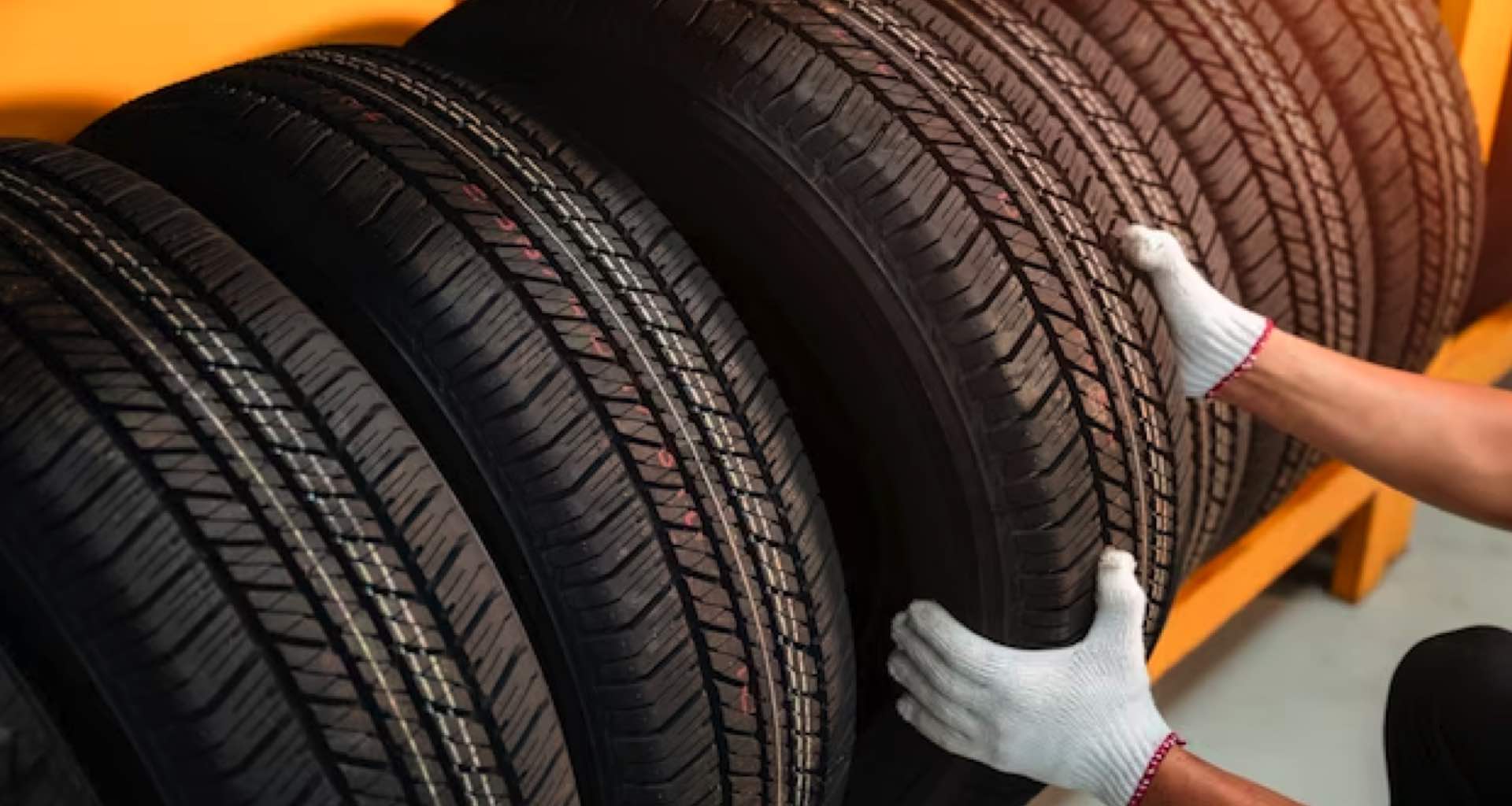
Use of All-Season Tyres for Everyday Driving
All-season tyres are generally designed to provide balanced performance across different everyday conditions. They can be useful for drivers who regularly travel through changing weather but do not require tyres designed specifically for extreme conditions.
They can be suitable for:
- Daily city commuting
- Regular highway travel
- Moderate weather changes
- General family driving
- Mixed urban and highway routes
Their main purpose is to provide a practical balance rather than focusing heavily on one particular performance characteristic.
Drivers should still consider local weather conditions before selecting this category, as tyre requirements can vary significantly between regions.
Use of Summer Tyres for Warm Conditions
Summer tyres are designed with characteristics suited to warmer conditions. They can provide responsive handling and suitable road grip when temperatures and road conditions are appropriate.
They may be useful for drivers who want:
- Responsive steering
- Good dry-road grip
- Stable cornering
- Consistent braking behavior
However, tyre selection should always take local weather and road conditions into account. A tyre designed for warm conditions may not be the most appropriate option in areas that regularly experience very cold or challenging weather.
Use of Performance Tyres for Responsive Driving
Performance-oriented tyres are generally designed to support handling and road response. They can be useful for drivers who enjoy responsive steering and more controlled cornering.
These tyres may focus on characteristics such as:
- Grip
- Steering response
- Cornering stability
- Braking performance
- High-speed stability
However, performance should not be considered separately from comfort and durability. Drivers who mainly use their cars for short urban trips may have different priorities from those who frequently drive on highways.
Use of Touring Tyres for Long Journeys
Touring tyres are generally associated with comfort and balanced road performance. They can be useful for people who spend considerable time driving on highways or covering long distances.
A touring-oriented tyre may focus on:
- Comfortable rides
- Stable highway performance
- Reduced road noise
- Consistent handling
- Long-distance driving comfort
For families who regularly take road trips, these characteristics can make a difference to the overall driving experience.
Use of Luxury Car Tyres for Premium Vehicles
Premium vehicles often have specific requirements because of their weight, performance, suspension setup, and focus on comfort. This is where luxury car tyres can become relevant.
Such tyres may be designed with greater attention to factors such as:
- Ride comfort
- Low road noise
- Steering response
- Stability
- High-speed control
- Smooth road contact
A comfortable ride can be especially important in a vehicle where passengers spend significant time travelling.
However, not every premium vehicle needs the same tyre. The recommended size, load rating, speed rating, and construction should always be checked before purchasing.
Use of Luxury Tyres for Comfortable Driving
One important use of luxury car tyres is supporting a quieter and more comfortable driving experience.
Road noise can become noticeable during long journeys, especially on highways. Tyre construction, tread design, road surface, and vehicle insulation can all influence how much sound reaches the cabin.
Drivers who prioritize comfort may therefore look for tyres that offer a suitable balance between:
Comfort
The tyre should complement the vehicle's suspension and provide a reasonably smooth ride.
Noise
A suitable tread pattern and construction can help manage road noise.
Stability
The tyre should provide predictable behavior during acceleration, braking, and cornering.
The final experience will still depend on the vehicle and road conditions.
Use of Tyres for Wet Road Conditions
Rain changes the way tyres interact with the road. Water between the tyre and road surface can reduce available grip, making wet-weather performance an important consideration.
Tyre tread patterns are designed to help move water away from the contact area.
When selecting tyres for areas that experience regular rainfall, drivers can consider:
- Wet braking performance
- Water evacuation
- Steering stability
- Tread condition
- Correct tyre pressure
Regularly checking tread depth is also important because worn tyres may not perform in the same way as tyres with adequate tread.
Use of Tyres for Highway Driving
Highway driving often involves sustained speeds and longer distances. Tyres therefore need to provide consistent performance throughout the journey.
Drivers can pay attention to:
- Correct speed rating
- Correct load rating
- Highway stability
- Tread condition
- Recommended tyre pressure
Proper inflation is particularly important. Incorrect tyre pressure can affect handling, wear, fuel efficiency, and overall driving comfort.
How Car Tyre Selection Can Improve Daily Driving
Understanding car tyre types can help drivers make decisions based on actual usage instead of choosing tyres only because they look suitable.
For example, someone who mostly drives within a city may value comfort and durability. A highway driver may place greater importance on stability and long-distance comfort. Someone who frequently drives on winding roads may pay more attention to steering response and cornering.
This means tyre selection should begin with the driving pattern.
Ask these questions before buying:
- Where do I drive most often?
- What weather conditions do I usually encounter?
- How many kilometres do I drive?
- Do I prioritize comfort or performance?
- What specifications does my vehicle require?
- Do I frequently carry heavy loads?
The answers can help narrow down suitable options.
Use of Tyres According to Vehicle Specifications
A tyre should not be selected based only on its appearance or general category. Every vehicle has recommended specifications that should be followed.
These may include:
- Tyre size
- Load index
- Speed rating
- Construction
- Recommended pressure
Using the correct specification helps ensure that the tyre is appropriate for the vehicle's intended operation.
For premium vehicles, this becomes especially relevant because the tyres are part of the overall system involving suspension, braking, steering, and vehicle weight.
Maintaining Tyres for Better Performance
Even a suitable tyre needs proper maintenance. Regular inspections can help identify issues before they become more serious.
Drivers should check for:
- Uneven tread wear
- Cuts or cracks
- Bulges
- Embedded objects
- Low tyre pressure
- Excessive tread wear
Wheel alignment and balancing should also be checked when appropriate, particularly if the vehicle starts pulling to one side or develops unusual vibrations.
Choosing Between Comfort and Performance
There is often a balance between different tyre characteristics. A driver may want excellent cornering response but also expect a very soft and quiet ride. Another driver may prioritize long tread life and everyday practicality.
The important point is to identify the primary use of the vehicle.
For drivers considering luxury car tyres, comfort, stability, noise levels, and handling may all be important. However, the final choice should still match the vehicle manufacturer's recommendations and the driver's normal road conditions.
Conclusion
Understanding different tyre categories makes it easier to choose tyres according to driving conditions, vehicle requirements, and personal priorities. Different car tyre types can serve different purposes, from everyday commuting and highway travel to performance-focused driving. Similarly, luxury car tyres can focus on characteristics such as comfort, stability, handling, and reduced road noise for suitable vehicles. Vredestein Tyres draws on more than 110 years of European heritage while investing in research, development, and testing to advance tyre technology. Regular maintenance and correct specifications remain equally important for dependable performance.

You Might Like Also





