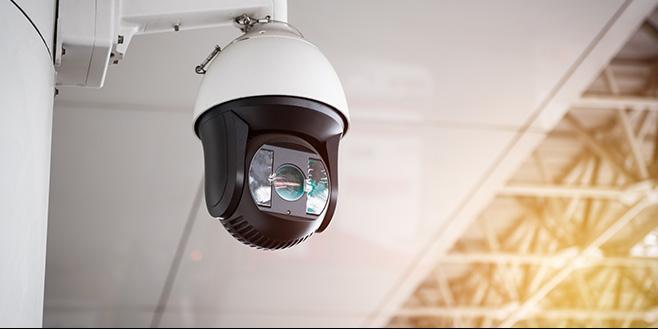

CCTV monitoring has become an essential part of modern security systems for both businesses and residential properties. From deterring criminal activities to providing critical evidence, surveillance systems play a major role in ensuring safety. However, simply installing cameras is not enough to guarantee maximum protection. To truly enhance security, it’s important to follow a set of best practices that optimize how CCTV systems are installed, monitored, and maintained. When implemented correctly, these practices not only improve performance but also help users make the most of their investment in surveillance technology.
1. Strategic Placement of Cameras
The first and most crucial step in maximizing CCTV efficiency is strategic camera placement. Cameras should cover all critical areas such as entrances, exits, parking lots, and other vulnerable zones. Avoid blind spots where potential intruders could hide or move undetected. The goal is to create a seamless coverage area that captures clear footage from multiple angles.
Lighting also plays a major role in video quality. Ensure that cameras are placed where lighting is sufficient, especially during nighttime. Infrared or low-light cameras can be beneficial for dimly lit areas. When positioning cameras, avoid pointing them directly at bright lights or reflective surfaces, as this can cause glare and affect visibility.
It’s also wise to consider the height and angle of each camera. Placing cameras too high may miss details like facial features or license plates, while installing them too low increases the risk of tampering. A balanced approach ensures optimal coverage and clarity.
2. Using the Right Equipment and Technology
Not all cameras are created equal, and selecting the right equipment is key to effective monitoring. Depending on the type of property and its security needs, you can choose between dome, bullet, or PTZ (pan-tilt-zoom) cameras. Dome cameras are discreet and ideal for indoor use, while bullet cameras are more visible and suitable for outdoor surveillance.
High-definition and IP (Internet Protocol) cameras offer clearer images and allow for remote monitoring. These cameras can connect to a network, making it easier to access footage from multiple locations. Additionally, incorporating features such as motion detection, night vision, and AI-based analytics enhances security capabilities.
For centralized management and reliable performance, integrating your surveillance system with platforms like allamericanmonitoring can help streamline operations. Such systems provide real-time alerts, automatic recording, and efficient video management, ensuring that every incident is captured and acted upon promptly.
3. Establishing 24/7 Remote Monitoring
Continuous monitoring is essential for immediate threat detection and timely response. A CCTV system’s true value lies in its ability to alert security personnel or property owners the moment suspicious activity is detected. For this reason, investing in 24/7 remote monitoring services or a control center is a smart move.
Remote monitoring allows professionals to oversee multiple sites simultaneously from a centralized location. If an anomaly is detected, the monitoring team can immediately notify local authorities or on-site staff. This approach not only improves response time but also provides peace of mind for property owners who cannot be physically present all the time.
Using motion sensors and intelligent software further enhances efficiency by reducing false alarms and focusing attention on real threats. These features make monitoring more proactive rather than reactive.
4. Regular Maintenance and System Checks
Even the most advanced CCTV systems require regular maintenance to function optimally. Dust, weather conditions, and hardware issues can affect performance over time. Conducting scheduled inspections ensures cameras are clean, lenses are focused, and connections remain intact.
Software updates are equally important. Outdated firmware can expose your system to vulnerabilities and reduce compatibility with newer devices. By keeping your software up to date, you not only enhance security but also gain access to improved features and functionality.
Routine checks should also include verifying recording storage and playback systems. Running tests periodically helps ensure that footage is being properly saved and can be retrieved when needed. Many users overlook this aspect until a critical incident occurs, only to find that the footage was not recorded.
5. Implementing Data Security and Privacy Measures
In today’s connected world, CCTV systems are often linked to networks and cloud services, making cybersecurity a key consideration. Protecting your video data from unauthorized access should be a top priority.
Start by securing your network with strong passwords and encryption protocols. Each camera and connected device should have unique login credentials to prevent hacking attempts. Using firewalls and virtual private networks (VPNs) adds an extra layer of protection.
It’s also essential to control access rights within your organization. Not everyone needs permission to view or manage footage. Limiting access to authorized personnel helps maintain privacy and prevents misuse of sensitive recordings.
Lastly, ensure compliance with local privacy laws and regulations. Informing employees, tenants, or visitors about surveillance areas promotes transparency and builds trust while adhering to legal standards.
6. Effective Use of Video Analytics
Modern CCTV systems now come equipped with advanced video analytics powered by artificial intelligence (AI). These tools help identify unusual activities, count people, recognize faces, and even detect specific objects or behaviors. By using these analytics, you can make monitoring more efficient and reduce the workload on human operators.
For example, video analytics can automatically alert security teams when someone enters a restricted area or leaves an unattended object. This kind of proactive monitoring ensures immediate action, potentially preventing incidents before they escalate.
Analytics can also help in business optimization. Retail stores, for instance, can analyze customer behavior, foot traffic, and peak hours to improve layout and staffing. This transforms your CCTV system from a mere security tool into a valuable source of operational insights.
7. Training Personnel and Setting Clear Protocols
A CCTV system is only as effective as the people who manage it. Training your monitoring staff or security personnel is crucial to ensure the system’s full potential is realized. Operators should be trained in camera operation, footage review, and incident response.
Establishing clear protocols for handling different situations, such as intrusions, equipment malfunctions, or data breaches, ensures consistency in response. When everyone knows their role and how to react, security operations become smoother and more efficient.
Regular drills and refresher courses can also help staff stay updated with the latest system features and best practices. Additionally, encouraging collaboration between the monitoring team and on-site security staff creates a seamless communication flow, allowing for faster responses to any threat.
8. Reviewing and Upgrading Systems Periodically
Technology evolves rapidly, and so do the tactics used by intruders. To stay ahead, it’s important to periodically review your CCTV system’s performance and consider upgrades when necessary. Evaluate camera quality, storage capacity, and monitoring efficiency.
If your current system struggles with bandwidth, image clarity, or remote access, it may be time for an upgrade. Newer models offer better resolution, smarter analytics, and improved integration with other security technologies.
Upgrading your system doesn’t always mean replacing everything. Often, adding a few new cameras or software features can significantly enhance your overall security setup. A proactive approach ensures your surveillance remains robust and adaptive to changing security needs.
Conclusion
CCTV monitoring is more than just a deterrent; it’s a comprehensive strategy for maintaining safety and awareness. By following these best practices, ranging from strategic placement and system maintenance to implementing data protection and using AI-driven analytics, you can significantly enhance the effectiveness of your security system. Regular evaluations, staff training, and technological upgrades ensure your surveillance remains reliable and up to date. When managed correctly, CCTV monitoring becomes a powerful tool for prevention, protection, and peace of mind in any environment.

You Might Like Also






