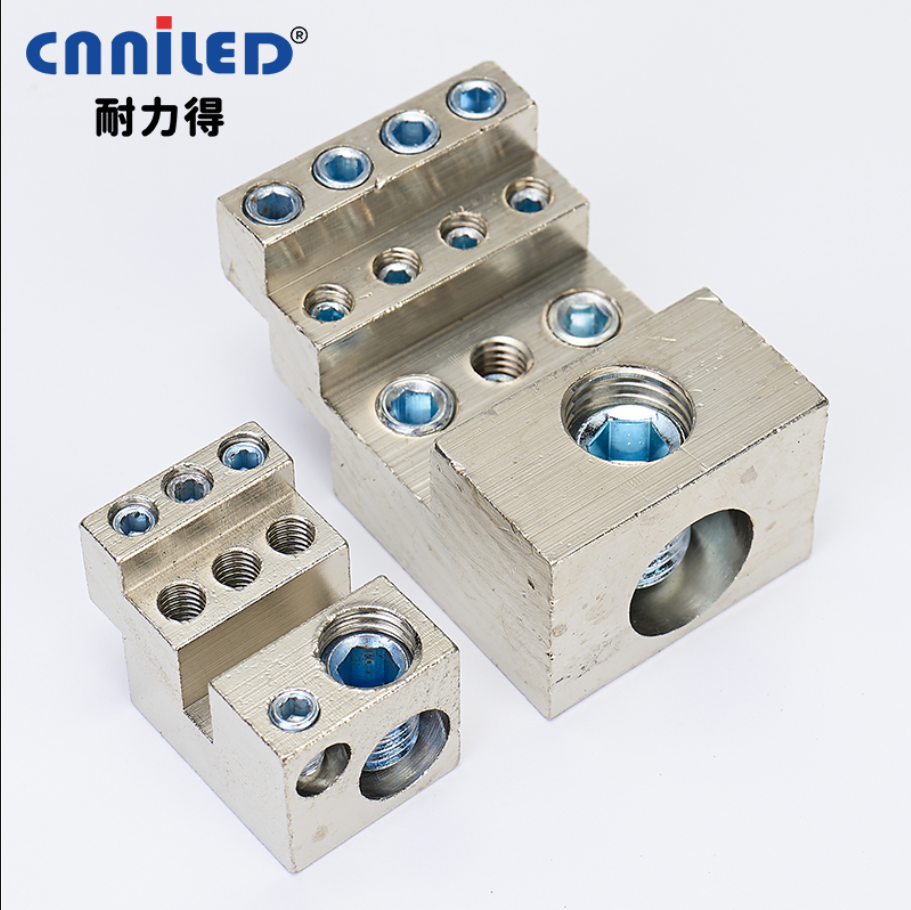
Choosing the right material for your outdoor terminal junction box is crucial for ensuring durability and functionality. Nailide offers a wide range of options to suit different needs and environments, but it's important to consider factors like weather resistance, durability, and cost when making your selection.
How to Choose the Right Material for Your Outdoor Terminal Junction Box
When choosing the material for your outdoor terminal junction box, it's essential to consider the environmental conditions it will be exposed to. For example, if your box will be installed in a coastal area with high humidity and salt exposure, you'll want to opt for a corrosion-resistant material like stainless steel. On the other hand, if your box will be located in a dry, arid climate, a material like polycarbonate may be more suitable due to its UV resistance and lightweight properties.
Additionally, consider the level of protection your junction box needs. For areas prone to heavy rain or snow, a waterproof material like fiberglass may be ideal to prevent water damage to your electrical components. However, if your box will be installed indoors or in a covered area, a less expensive option like PVC may be sufficient for your needs.
Cost is another crucial factor to consider when choosing the right material for your outdoor terminal junction box. While materials like aluminum and stainless steel offer superior durability and corrosion resistance, they also come with a higher price tag. If you're working within a budget, materials like PVC or polycarbonate may be more cost-effective options while still providing adequate protection for your electrical connections.
selecting the right material for your outdoor terminal junction box is essential for ensuring the longevity and functionality of your electrical connections. By considering factors like environmental conditions, level of protection needed, and budget constraints, you can make an informed decision that meets your specific requirements. Nailide offers a variety of materials to choose from, allowing you to find the perfect solution for your outdoor electrical needs.
Key Features to Look for in Outdoor Terminal Junction Box Materials
When choosing the right material for your outdoor terminal junction box, there are several key features to consider. One important factor is the durability of the material. Outdoor junction boxes are exposed to harsh weather conditions, so it is essential to choose a material that can withstand elements like rain, snow, and UV rays. Another important feature to look for is corrosion resistance. Outdoor junction boxes are often exposed to moisture, which can lead to rust and corrosion if the material is not resistant. Additionally, it is important to consider the thermal properties of the material. The material should be able to withstand high and low temperatures without deteriorating or becoming brittle.
Best Materials for Outdoor Terminal Junction Boxes
There are several materials that are commonly used for outdoor terminal junction boxes, each with its own advantages and disadvantages. One popular tension clamp option is polycarbonate, which is a lightweight and durable material that is resistant to corrosion and UV rays. Another common choice is fiberglass, which is known for its strength and resistance to chemicals. Aluminum is also a popular material for outdoor junction boxes due to its lightweight nature and corrosion resistance. Stainless steel is another excellent choice for outdoor terminal junction boxes, as it is extremely durable and resistant to corrosion.
Questions to Consider When Selecting Materials for Outdoor Terminal Junction Box
When selecting the right material for your outdoor terminal junction box, there are several questions to consider. First, think about the specific environmental conditions that the junction box will constant tension hose clamps be exposed to. Will it be located in a coastal area with high humidity, or in a desert with extreme temperatures? This will help determine the level of corrosion resistance and thermal properties required. Next, consider the size and weight of the junction box. Some materials may be heavier or bulkier than others, which can impact installation and maintenance. Finally, think about the overall lifespan and cost of the material. While constant tension clamps some materials may be more expensive upfront, they may offer greater durability and longevity in the long run. By carefully considering these factors, you can choose the right material for your outdoor terminal junction box to ensure reliable performance and protection for your electrical connections.

You Might Like Also

How to Choose Custom Jewelry for Your Brand


SFP 24 Port Switch for Fiber-to-the-Building Deployment






