

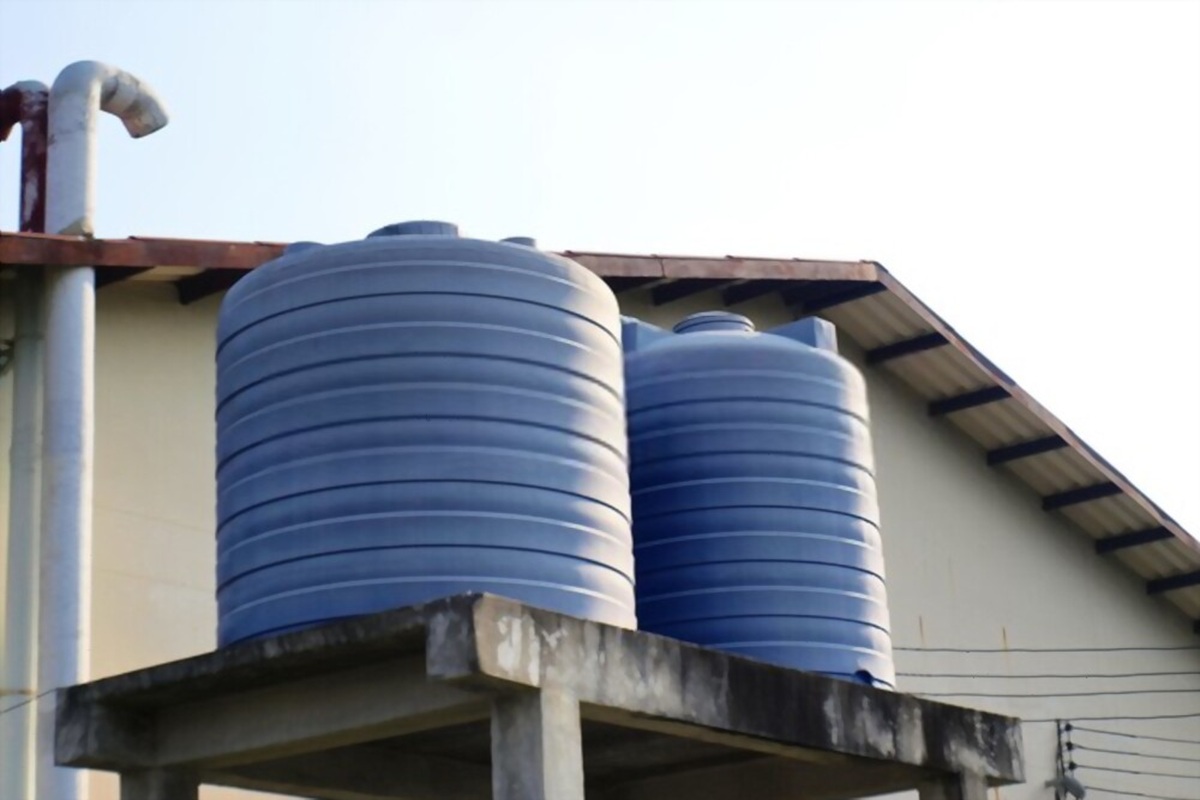
Water storage has never been more critical than it is right now. With unpredictable weather patterns, increasing droughts, and growing concerns about water sustainability, more Australians are taking matters into their own hands. A quality water tank isn't just a metal or plastic container sitting in your backyard. It's peace of mind, self-sufficiency, and a smart investment rolled into one.
In this guide, we'll walk you through everything you need to know about choosing, installing, and maintaining durable water tanks. Whether you're a homeowner looking to harvest rainwater, a business owner planning for emergencies, or a farmer keeping crops and animals thriving, you'll find practical advice tailored to your needs. We'll explore different materials, sizing considerations, installation tips, and what truly makes a tank built to last in harsh Australian conditions.
Understanding Water Tank Materials: Which One Is Right for You?
Choosing the right tank material is your first big decision. Each option brings its own strengths to the table, so let's break them down.
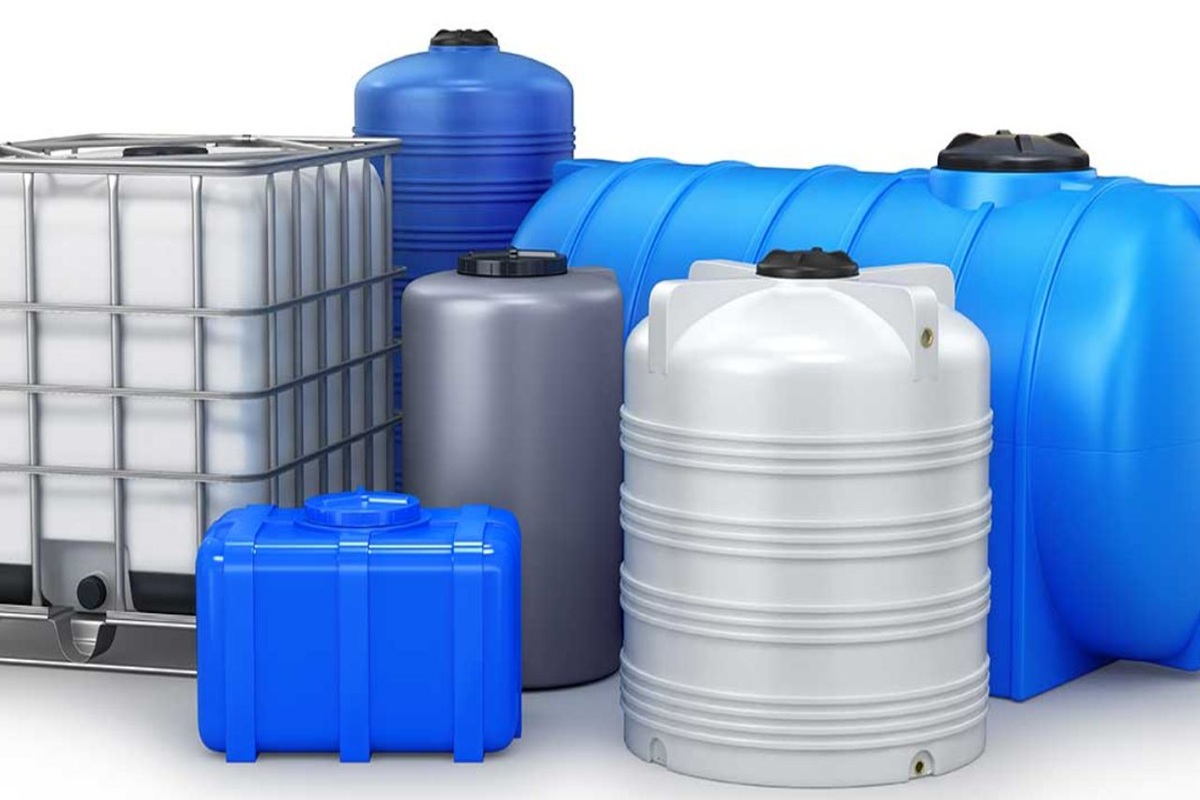
Polyethylene (Poly) Tanks
Poly tanks are the most popular choice across Australia, and for good reason. They're lightweight, affordable, and incredibly versatile. Made from food-grade polyethylene, these tanks resist corrosion and won't rust ever. They're also UV-stabilised to handle our intense sunshine without degrading.
Installation is straightforward since they're much lighter than steel or concrete alternatives. Plus, they come in a massive range of sizes and colours to suit any property.
Steel and Stainless Steel Tanks
Steel tanks offer exceptional strength and longevity. Galvanised steel tanks, coated with protective liners, can last decades with proper care. Stainless steel options take durability up another notch, resisting corrosion without needing internal linings.
These tanks are brilliant for larger storage needs and can handle extreme weather conditions. They're often the go-to for commercial and agricultural applications where capacity is king.
Concrete Water Tanks
Concrete tanks are the heavyweights of water storage. They keep water naturally cool perfect for hot climates and can be installed underground to save space. They're incredibly sturdy and can last a lifetime.
However, they require professional installation and proper sealing to prevent leaching. They're best suited for permanent installations where you won't need to relocate.
Fibreglass Tanks
Fibreglass tanks offer excellent durability and resistance to chemicals, making them ideal for specialised applications. They won't corrode or rust and maintain structural integrity over many years. While typically pricier upfront, their longevity often justifies the investment.
Residential Water Tanks: Solutions for Every Aussie Home
Rainwater Harvesting for Household Use
Capturing rainwater is one of the smartest moves any homeowner can make. A well-designed rainwater harvesting system can supply water for gardens, toilets, laundry, and even drinking with proper filtration. It reduces your mains water bills and lessens strain on municipal supplies.
Setting up a system is simpler than you might think. Connect your downpipes to your tank, install a first-flush diverter to keep debris out, and you're collecting free water every time it rains.
What Size Water Tank Do I Need for My House?
This depends on your roof catchment area, local rainfall, and intended usage. As a general guide:
- Small households (1-2 people): 2,000–5,000 litres
- Medium households (3-4 people): 5,000–10,000 litres
- Larger families or extensive garden use: 10,000+ litres
Consider your goals. If you're supplementing mains water, a smaller tank works fine. If you're aiming for self-sufficiency, go bigger.
Slimline Tanks for Small Spaces and Urban Properties
Living in the suburbs with limited space? Slimline tanks are your best mate. These narrow-profile tanks fit snugly against walls, under eaves, or in tight side passages. They deliver impressive capacity without dominating your yard.
Commercial Water Tanks: Meeting Business Demands
Industrial Water Storage Requirements
Businesses have unique water needs. Manufacturing processes, cooling systems, and cleaning operations all demand reliable supplies. Commercial tanks must handle higher volumes and often require specific certifications for safety and compliance.
Choosing the right capacity means analysing your daily consumption patterns and planning for peak demand periods. Many businesses opt for multiple connected tanks to ensure flexibility.
Fire Suppression and Emergency Water Reserves
Australian building codes often require dedicated water storage for fire suppression, particularly in bushfire-prone areas. These tanks must meet strict capacity requirements and be accessible to emergency services.
Having an emergency reserve also protects your business during water restrictions or supply disruptions. It's not just about compliance it's smart risk management.
How Long Do Commercial Water Tanks Last?
With proper installation and maintenance, quality commercial tanks can serve you for:
- Poly tanks: 15–25 years
- Steel tanks: 20–30+ years
- Concrete tanks: 50+ years
Regular inspections and timely repairs extend these lifespans significantly.
Agricultural Water Tanks: Supporting Farms and Rural Properties
Livestock Watering Systems
Reliable water access is non-negotiable for animal welfare. Agricultural tanks, connected to troughs and automatic watering systems, ensure your livestock stay hydrated regardless of conditions. Strategically placed tanks across paddocks reduce animal stress and improve productivity.
Irrigation and Crop Management
Storing water for irrigation gives you control over crop watering schedules, independent of rainfall patterns. This is particularly valuable during planting seasons and dry spells when consistent moisture means the difference between a successful harvest and crop failure.
Are Poly Tanks Safe for Drinking Water on Farms?
Absolutely provided they're certified food-grade and properly maintained. Look for tanks meeting AS/NZS 4766 standards. These are specifically designed for potable water storage, ensuring your family and workers have safe drinking water.
What Makes a Water Tanks Truly Durable?
UV Stabilisation and Weather Resistance
Australian conditions are brutal. Intense UV radiation degrades inferior plastics rapidly. Quality tanks include UV stabilisers that protect against sun damage, preventing brittleness and cracking over time.
Food-Grade and Potable Water Certifications
If you're storing drinking water, certifications matter. Look for tanks meeting Australian standards for potable water storage. These guarantee the materials won't leach harmful chemicals into your supply.
Warranty and Lifespan Expectations
Reputable manufacturers back their products with substantial warranties often 10-25 years for quality poly tanks. A strong warranty reflects confidence in durability and gives you valuable protection.
Installation Considerations: Getting It Right the First Time
Above Ground vs Underground Water Tanks
Above-ground water tanks are easier and cheaper to install, inspect, and maintain. Underground tanks save space and keep water cooler but require excavation and proper waterproofing.
Your choice depends on available space, aesthetic preferences, and budget constraints.
Site Preparation and Base Requirements
A level, compacted base is essential. Options include:
- Compacted sand or road base
- Concrete slabs
- Reinforced tank stands for elevated installations
Poor base preparation leads to uneven settling and potential tank damage. Get this right from the start.
Maintaining Your Water Tanks for Long-Term Performance
Cleaning and Inspection Schedules
Regular maintenance keeps your water clean and your tank healthy. Inspect inlet screens, overflow pipes, and fittings annually. Check for cracks, leaks, or signs of degradation.
How Often Should You Clean Your Water Tanks?
Most experts recommend a thorough clean every 2-3 years. If you notice sediment buildup, discoloured water, or unusual tastes, clean sooner. First-flush diverters and leaf guards significantly reduce contamination.
Choosing the Best Water Tanks for Australian Conditions
Australia's climate demands tough, well-designed tanks. Prioritise UV stabilisation, quality manufacturing, and appropriate certifications. Consider local conditions cyclone ratings in northern regions, frost resistance down south.
Buy from established Australian manufacturers who understand our unique challenges. Their products are engineered specifically for our environment.
Investing in Reliable Water Storage
Choosing the right water tanks isn't just about finding a container that holds water. It's about securing a reliable resource for years to come. We've covered materials, sizing, installation, and maintenance everything you need to make an informed decision.
The best tank for you depends on your specific situation. Homeowners might love the convenience of slimline poly tanks. Farmers often need heavy-duty options built for demanding conditions. Businesses require tanks meeting strict compliance standards. Whatever your needs, there's a perfect match waiting.
Take your time, do your research, and invest in quality. A durable water tank pays dividends through water savings, self-sufficiency, and peace of mind. Your future self and your water bill will thank you for making a smart choice today.

You Might Like Also

Hand Sawing Melbourne: Precise Concrete Cutting Solutions

Top Signs Your Home Needs Gutter Replacement






