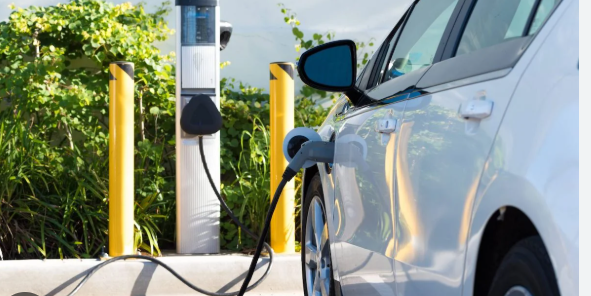
ELECTRIC CAR FUTURE: THE ROAD TO SUSTAINABILITY

August 08, 2025
Introduction To Electric Mobility
The global transportation sector is undergoing a significant transformation as more people and industries shift toward environmentally responsible alternatives. Among the most notable innovations is the electric car, which has emerged as a sustainable solution to combat pollution, reduce carbon emissions, and decrease dependence on fossil fuels. Governments and manufacturers alike are now investing heavily in this technology, signaling that the electric car is not just a trend but a long-term solution.
Understanding The Electric Car Concept
An electric car is powered by an electric motor instead of an internal combustion engine. It draws energy from a rechargeable battery pack, which is charged through external electric sources. The absence of tailpipe emissions makes it cleaner than conventional gasoline or diesel-powered vehicles. Over the past decade, improvements in battery capacity, design, and performance have contributed significantly to the rising popularity of electric cars across global markets.
Key Benefits Of Electric Vehicles
The most compelling advantage of using an electric car is its positive environmental impact. Since it does not produce harmful emissions, it plays a vital role in reducing greenhouse gases and air pollution in urban areas. In addition, electric vehicles (EVs) are more energy-efficient and convert a higher percentage of electrical energy into motion compared to traditional cars. Other notable benefits include lower running costs, reduced noise pollution, and fewer maintenance requirements due to fewer moving parts.
Challenges Still Facing Adoption
Despite the clear advantages, there are still barriers preventing mass adoption of electric vehicles. One major concern is the limited range that most electric cars offer, especially older or budget models. Although battery technologies are improving rapidly, range anxiety remains a psychological barrier for many consumers. Another issue is the uneven distribution of charging infrastructure, which can make long-distance travel challenging in some regions. Additionally, upfront costs of electric cars, although decreasing, still remain higher than internal combustion vehicles in many markets.
Government Initiatives And Global Trends
Governments around the world are actively promoting the use of electric vehicles through subsidies, tax incentives, and infrastructure development. In countries like Norway, electric cars account for more than half of electric car sales, thanks to strong policy support and public awareness. China, the world’s largest auto market, has also introduced ambitious targets to increase the percentage of electric vehicles in the coming decade. The United States and European Union continue to roll out incentives to encourage both manufacturers and consumers to transition to electric mobility.
Advancements In Battery And Charging Technology
The future of electric cars largely depends on continued progress in battery technology. Lithium-ion batteries are currently the most common type used in EVs, but researchers are working on more efficient alternatives like solid-state batteries, which promise higher energy density and faster charging times. Simultaneously, fast-charging stations are being installed across highways and urban centers to make charging more convenient. Wireless charging and solar-powered solutions are also under development, which will further enhance user experience and efficiency.
Role Of Automakers In Electric Transition
Leading automobile manufacturers are shifting their production lines to accommodate electric cars. Companies like Tesla, Nissan, BMW, and Hyundai have already established a significant presence in the electric car market. Traditional giants like Ford, Toyota, and General Motors are also committing to producing more electric models. These moves show the industry's confidence in electric vehicles as the future of personal and commercial transportation.
Consumer Perception And Market Growth
Consumer acceptance of electric cars is improving steadily, thanks to better performance, sleek designs, and environmental awareness. The availability of various models catering to different budgets and lifestyles is helping to break the misconception that electric cars are only for the wealthy. As awareness grows and technology becomes more affordable, more consumers are likely to opt for electric vehicles in their next purchase decision.
Impact On Environment And Urban Life
The adoption of electric cars can significantly reshape urban environments. Reduced emissions lead to better air quality, which has direct health benefits for city dwellers. Less noise from vehicles contributes to quieter neighborhoods, making cities more livable. If electric cars are coupled with clean energy sources such as solar and wind, the overall impact on the environment becomes even more positive. Urban planning and smart grids are being designed to integrate electric mobility into a broader vision of sustainable living.
The Road Ahead For Electric Cars
The next decade will likely witness explosive growth in the electric car market. With falling battery prices, better government support, and more consumer-friendly models entering the scene, electric vehicles are expected to become mainstream. However, continuous investment in technology and infrastructure will be essential to sustain this growth. Public-private partnerships, international collaboration, and user education will all play crucial roles in this transformative journey.
Conclusion
The electric car is more than just a novel innovation; it represents a paradigm shift in how we view mobility. As nations strive to meet climate goals and consumers demand cleaner alternatives, the electric car offers a practical and scalable solution. Although challenges remain, the current pace of technological development and public awareness suggests a bright future for electric mobility. The road ahead is electric—and it is a road worth traveling.




