Essential Wound Care Products Every Home Should Have

August 18, 2025
Minor cuts, scrapes, and burns happen when we least expect them. Whether you're dealing with a kitchen mishap, a gardening accident, or your child's playground injury, having the right wound care products on hand can make all the difference in promoting proper healing and preventing infection.
Creating a well-stocked first aid kit with quality wound care supplies ensures you're prepared to handle minor injuries effectively. Here's what every household should include in their wound care arsenal.
Basic Cleaning and Antiseptic Supplies
The first step in proper wound care involves cleaning the injury thoroughly. Sterile saline solution serves as an excellent wound irrigant, helping flush out debris without causing irritation. Unlike hydrogen peroxide, which can actually damage healthy tissue, saline gently cleanses wounds while maintaining the natural healing environment.
Antiseptic wipes or solutions containing ingredients like benzalkonium chloride provide additional protection against bacteria. These products help reduce the risk of infection, particularly important for wounds that may have been exposed to dirt or other contaminants.
Protective Dressings and Bandages
Adhesive bandages remain the cornerstone of home wound care. Stock various sizes, from small circular patches for minor cuts to larger rectangular options for bigger scrapes. Waterproof varieties offer added protection during daily activities like showering or washing dishes.
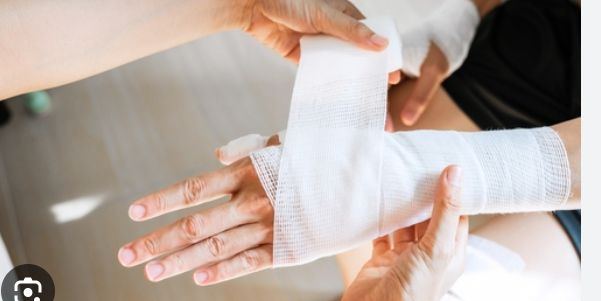
For more substantial wounds, sterile gauze pads provide excellent absorption and protection. These non-adherent dressings prevent the painful experience of bandages sticking to healing tissue. Pair them with medical tape or elastic bandage wraps to secure the dressing properly.
Hydrocolloid dressings represent a more advanced option worth considering. These specialized bandages create a moist healing environment that can accelerate recovery while providing superior protection against bacteria and external moisture.
Specialized Treatment Products
Antibiotic ointments like bacitracin or neomycin help prevent bacterial growth in minor cuts and scrapes. Apply a thin layer before covering with a bandage to create an optimal healing environment. However, discontinue use if you notice any signs of allergic reaction, such as increased redness or itching.
Burn gel provides immediate relief for minor thermal injuries. Look for products containing aloe vera or lidocaine, which can help soothe pain and reduce inflammation from cooking burns or sun exposure.
Tools and Accessories
Fine-tipped tweezers prove invaluable for removing splinters, glass fragments, or other debris from wounds. Sterilize them with rubbing alcohol before each use to prevent introducing bacteria.
Disposable gloves protect both the caregiver and the injured person from cross-contamination. Nitrile gloves offer excellent durability and work well for those with latex allergies.
Medical scissors help cut tape, gauze, or clothing away from injured areas. Choose scissors with blunt tips to reduce the risk of accidental injury during use.
Storage and Maintenance
Keep wound care products in a clean, dry container that's easily accessible during emergencies. A waterproof case or plastic storage box works well. Check expiration dates regularly and replace items as needed.
Store your wound care kit in a cool, dry place away from direct sunlight. Extreme temperatures can affect the adhesive properties of bandages and the effectiveness of ointments.
When to Seek Professional Help
While home wound care handles most minor injuries effectively, certain situations require medical attention. Deep cuts that won't stop bleeding, wounds showing signs of infection, or injuries from dirty or rusty objects need professional evaluation.
Having quality wound care products readily available empowers you to respond quickly and effectively to minor injuries. Regular maintenance of your supplies ensures you're always prepared when accidents happen, giving you confidence in your ability to provide proper initial care for yourself and your loved ones.




