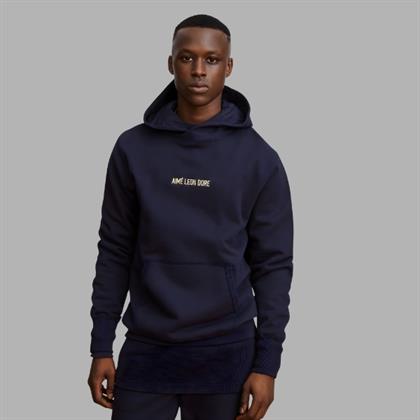
Saint Vanity Clothing builds everyday pieces meant to fit the way the size chart says they will. The brand focuses on hoodies, tees, joggers, and jackets made for real daily wear rather than special occasions. From the beginning, the team set out to avoid the common problem of sizes shifting from one drop to the next. This means a medium ordered last year should still feel like a medium today. That kind of consistency takes extra work behind the scenes, but it pays off in fewer surprises for buyers. Every new batch goes through fit checks before it ships, comparing new samples against past releases. This process protects the trust built with customers who order based on past experience with the brand. The rest of this article looks at how that consistency gets tested and proven.
Where This Focus on Fit Began
In the early days, Saint Vanity Clothing faced the same problem many small brands run into, where fit changed slightly between batches without anyone meaning for it to happen. A customer might order a hoodie that fit one way, then order the same size months later and notice it felt different. The team caught this issue through customer feedback and shopsaintvanity.com decided to fix it before it became a bigger problem. This meant setting strict internal standards for every measurement, from chest width to sleeve length, and sticking to them across future runs. The early fixes were not glamorous, just careful checks and rechecks before each new batch went into production. That discipline became part of the brand's identity over time. Buyers who stuck around through those early years noticed the fit staying steady long after other issues got resolved. This history is the reason fit checks remain such a big part of the process today.
What a Fit Check Actually Involves
A fit check at Saint Vanity Clothing means comparing a new sample against a set of fixed measurements the brand always follows. Team members measure chest width, shoulder length, sleeve length, and overall body length on every new sample before approving it for production. These numbers get compared directly to the official size chart already listed on the site. If any measurement falls outside the expected range, the sample gets sent back for changes before moving forward. This step happens for every new color or fabric batch, not just when a brand new style launches. The goal is simple: make sure a large ordered today measures the same as a large ordered a year ago. This kind of repeated testing takes extra time, but it protects the promise made through the size chart. Buyers benefit from this process even if they never see it happening behind the scenes.
Testing on Real Bodies, Not Just Forms
Saint Vanity Clothing does not rely only on mannequins or flat measurements when checking fit, since real bodies move and bend in ways forms cannot show. The team works with people of different heights, builds, and shapes to try on new samples before they go into full production. This step catches problems that flat measurements alone might miss, like a sleeve that measures correctly but still feels tight when the arm bends. Feedback from these fit sessions gets recorded and compared https://shopsaintvanity.com/ against the written size chart to check for any gaps. If testers report a fit that feels off compared to what the chart promises, adjustments get made before the item ships. This hands-on step adds time to the process, but it catches issues that numbers alone cannot always predict. Many customers mention that Saint Vanity Clothing pieces feel more true to size than clothing from other brands they have tried. This kind of real world testing is a big part of why that reputation exists.
How Fabric Batches Get Checked for Consistency
Fabric can behave differently from one batch to the next, even when the same type of material gets ordered each time. Saint Vanity Clothing checks incoming fabric batches for weight and stretch before they get used in production. A fabric that stretches more than expected can change how a garment fits, even if the pattern used to cut it stays exactly the same. Catching these fabric differences early prevents a finished product from shipping out feeling looser or tighter than past releases. The team keeps records of past fabric batches to compare against new ones, watching for any drift over time. This attention to fabric consistency is just as important as checking the actual garment measurements. Skipping this step could mean a hoodie that measures correctly on paper still feels different once worn. This careful fabric checking is one more layer behind the promise that sizing stays consistent.
Comparing New Drops Against Past Releases
Every time Saint Vanity Clothing prepares a new drop, the team pulls out samples from past releases to compare side by side. This side by side check helps confirm that a new hoodie in a fresh color still matches the fit of an older hoodie in the same size. Any small differences get flagged and corrected before the new items go into full production. This process matters most for core pieces that stay in the catalog for a long time, since customers expect those items to fit the same no matter when they buy them. Limited or seasonal drops go through similar checks, even though they may only be available for a short time. This consistent method protects the size chart from slowly drifting away from what customers actually experience. Buyers who order the same size across multiple drops can trust that the fit will stay familiar. This ongoing comparison is a quiet but important part of keeping sizing reliable.
What Customer Feedback Says About True Sizing
Customer reviews and messages give Saint Vanity Clothing direct insight into whether sizing feels accurate in the real world. Many buyers report ordering their usual size and getting a fit that matches what the chart described, without needing an exchange. This kind of consistent feedback across different product categories, from hoodies to joggers, supports the idea that sizing stays true across the catalog. When feedback does point to an issue, the team treats it as a signal to review that specific product's fit check process. This responsiveness helps catch rare mistakes before they affect too many future orders. Long-time customers often mention that they no longer feel nervous about sizing when a new drop launches, since past experience has built trust. This trust did not happen by accident, but through repeated attention to the same fit details over time. Customer feedback remains one of the clearest ways to measure whether the internal fit checks are actually working.
Why True Sizing Reduces Returns
When sizing runs true to the chart, buyers are far less likely to need an exchange or return after their order arrives. Saint Vanity Clothing has seen fewer sizing related exchanges as the fit check process has become more consistent over time. Fewer returns benefit both the customer and the brand, since less time gets spent shipping items back and forth. Buyers also save time by not needing to guess or order a backup size just in case the first one does not fit. This confidence in sizing allows customers to shop more quickly, since they trust the chart without needing extra reassurance. The reduction in returns also means fewer delays for other customers waiting on new stock during busy drop periods. This connection between accurate sizing and fewer returns is a big reason the fit check process gets so much attention internally. It shows how a behind the scenes process can directly improve the shopping experience for everyone.
How This Benefits Repeat Customers
Repeat customers benefit the most from a brand that keeps its sizing consistent across every new release. Someone who bought a medium hoodie a year ago can order another medium today without worrying about a different fit. This kind of reliability saves time, since repeat buyers do not need to re-measure themselves or study the size chart as closely with each new order. It also builds a stronger sense of trust between the customer and the brand, since promises about fit are backed up by real experience. Many long-time customers mention that this consistency is one of the main reasons they keep choosing Saint Vanity Clothing over other options. Building a wardrobe becomes easier when new pieces reliably match the fit of older ones already owned. This steady approach to sizing turns first-time buyers into repeat customers more often than a brand with unpredictable fit. The fit check process quietly supports this long-term relationship with every new drop.
Final Thoughts on True Sizing
Fit checks are not a flashy part of running a clothing brand, but they play a major role in keeping customers satisfied. Saint Vanity Clothing treats sizing consistency as a core promise, backed by careful testing on both fabric and finished garments. Real body testing, fabric batch checks, and side by side comparisons with past releases all work together to protect this promise. Customer feedback continues to confirm that this process leads to sizing that matches what the chart describes. Fewer returns and more confident repeat orders are the natural result of this steady attention to detail. Buyers who trust the size chart can shop faster and worry less about whether a new piece will actually fit. This trust took years to build and continues to get reinforced with every new drop that ships. True sizing may seem like a small detail, but it clearly shapes how customers feel about the brand as a whole.
Frequently Asked Questions
1. Does Saint Vanity Clothing sizing stay the same across different drops?
Yes, the brand compares new releases against past ones during fit checks to keep sizing consistent for the same product and size.
2. How does fabric affect whether a size runs true?
Fabric batches are checked for weight and stretch before use, since differences in fabric can change how a finished garment fits even with the same pattern.
3. Do real people test the fit before items go on sale?
Yes, samples are tried on by people with different body shapes to catch fit issues that flat measurements alone might miss.
4. What should I do if my order still does not fit as expected?
Reach out to customer support, since they can help suggest a better size and guide you through the exchange process.
5. Why does true sizing matter for repeat buyers?
It means a size ordered before should fit the same way again, saving time and making it easier to trust new orders without extra guesswork.