
Floating Shelves Weight Capacity Explained: How Much Can They Really Hold Without Failing?

April 06, 2026
Floating shelves look clean and minimal, but their real value depends on one thing: how much weight they can hold without failing. Most people focus on design and completely ignore load capacity, which is exactly why shelves start sagging, pulling out, or collapsing over time.
The truth is simple: there’s no fixed number. A floating shelf can hold anywhere between 5 kg and 50+ kg depending on how it’s built and installed. If you understand the variables that control this, you won’t just install shelves—you’ll install them right.
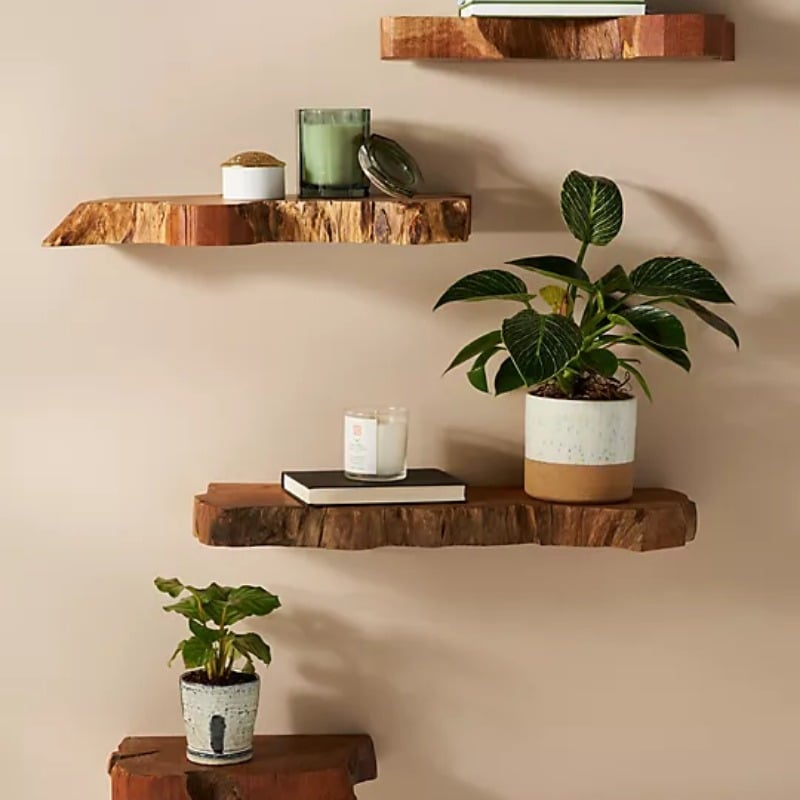
Why Most Floating Shelves Fail
Failure doesn’t happen because floating shelves are weak. It happens because people mismatch the shelf, wall, and installation method. A cheap bracket in a strong wall can still fail, while a solid floating wooden shelf installed correctly can hold serious weight for years.
The biggest mistake is assuming all walls behave the same. They don’t.
The Real Factors That Decide Weight Capacity
The first and most important factor is the wall itself. Concrete and brick walls can easily support heavy loads, making them ideal for floating wall shelves that need to hold books, decor, or electronics. On the other hand, drywall without studs is the weakest surface. If you’re installing a floating wall shelf into plain drywall without anchors or studs, you’re operating on a very limited load capacity.
The second factor is the internal support system. High-quality floating shelves for living room setups use concealed steel rods or heavy-duty brackets that distribute weight evenly. Cheap hollow mounts might look similar from the outside but fail under pressure because they lack structural integrity.
Material is where durability comes in. Solid wood outperforms engineered wood every time. Wooden wall shelves living room designs made from solid hardwood don’t just look premium—they resist bending and sagging far better than MDF or particleboard. Thickness also plays a role here; anything under 1 inch is prone to bending, while 1.5 to 2 inches provides reliable strength.
Then comes shelf size. Longer shelves increase stress at the center, especially in a floating bookshelf setup where books are stacked continuously. Depth also matters because the further the weight sits from the wall, the more leverage it creates, increasing the risk of failure.
Finally, installation quality ties everything together. Even premium floating wooden shelves will fail if they’re not anchored correctly. Loose fittings, poor drilling, or skipping studs are the real reasons shelves collapse—not the design itself.
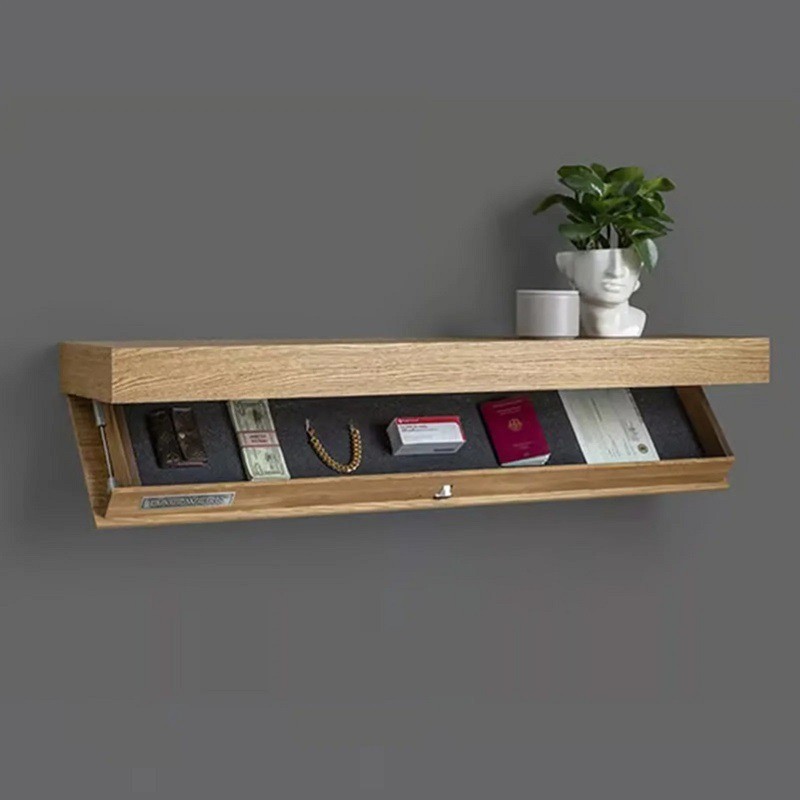
How Much Weight Can Floating Shelves Actually Hold?
In real-world conditions, the capacity varies based on setup. A poorly installed shelf on drywall might barely hold 5–10 kg. Add proper anchors, and it can reach 10–20 kg. Mounting into studs increases that range significantly, while installation on concrete or brick walls can push capacity beyond 40 kg.
This is why well-installed floating shelves living room setups can safely hold books, decor pieces, and even small electronics without issues.
What You Can Safely Place on Floating Shelves
Not everything belongs on a floating shelf. Light to medium-weight items like decor pieces, plants, and frames are safe in most setups. Books are fine too, but only when the shelf is properly supported.
Where people go wrong is overloading long shelves or placing too much weight toward the front edge. A floating bookshelf with uneven weight distribution will start sagging from the center, even if it doesn’t fail immediately. Over time, that sag turns into structural weakness.
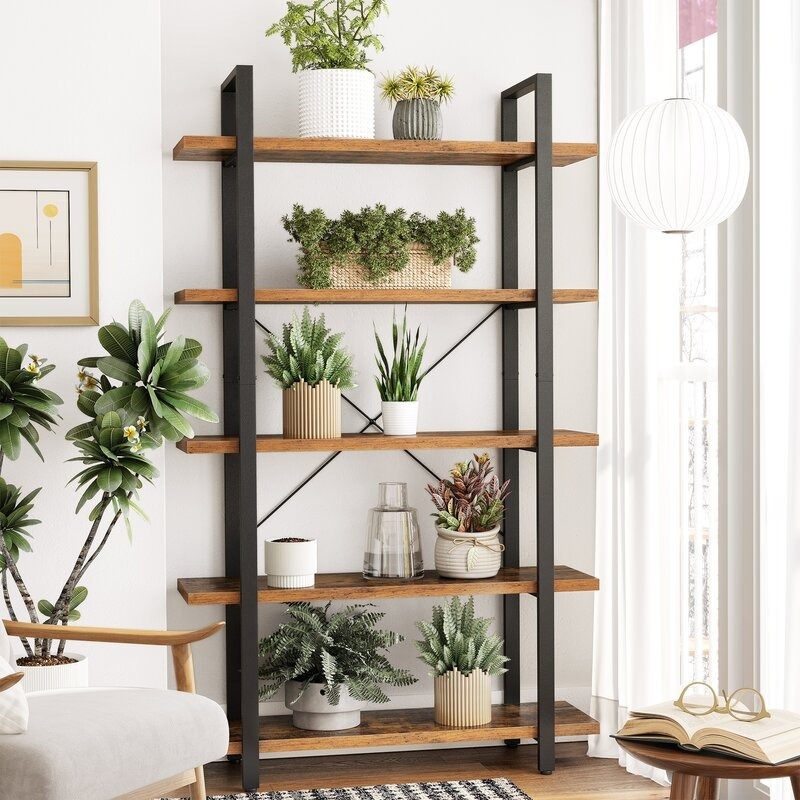
How to Avoid Sagging and Collapse
If you want durability, you need to respect structure. Mounting into studs or solid walls is non-negotiable for heavier loads. Using high-quality concealed brackets ensures the weight is evenly distributed inside the wall, not just resting on screws.
Thickness and material also matter here. Solid floating wooden shelves with sufficient thickness resist bending far better than thinner engineered boards. Even weight distribution is another overlooked factor. When the load is balanced, stress is shared evenly, reducing long-term damage.
Most importantly, don’t treat floating shelves like traditional cabinets. They are engineered differently, and pushing them beyond their limits will always result in failure.
Warning Signs Your Shelf Is About to Fail
Floating shelves rarely fail instantly. They show signs first. Slight sagging in the middle is usually the earliest indicator, especially in longer shelves. If the shelf starts pulling away from the wall or feels loose when touched, the mounting system is already compromised.
Cracks near the mounting points are another red flag. At that stage, the structure is under stress, and keeping heavy items on it is a bad decision.
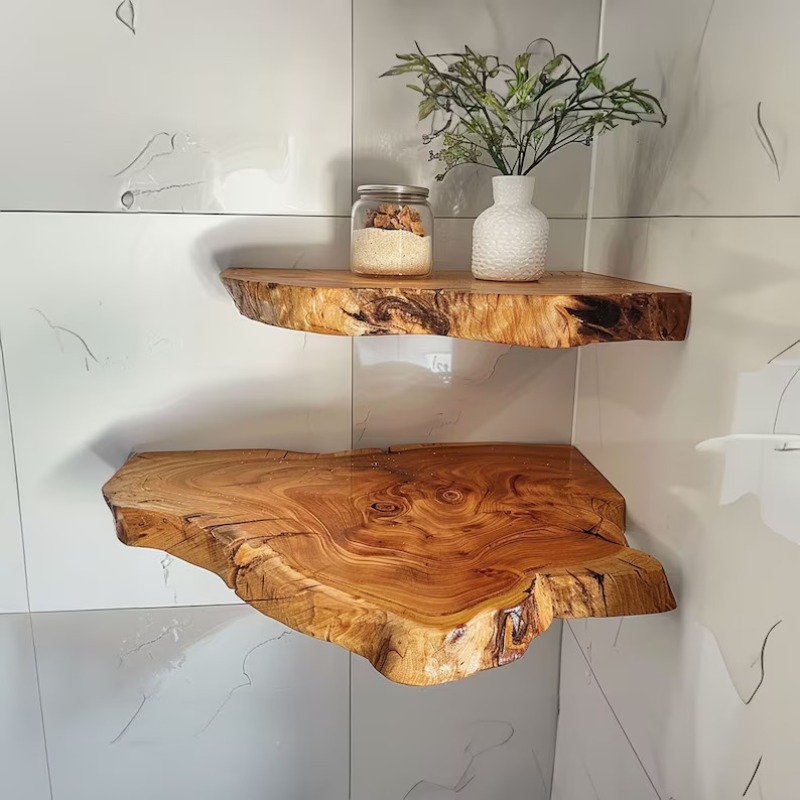
Are Floating Shelves Strong Enough for Daily Use?
Yes—but only when done right. A properly installed floating wall shelves system is strong enough for most everyday needs. The problem isn’t the concept; it’s poor execution.
Compared to traditional shelving units, floating shelves trade a bit of raw strength for aesthetics. But in practical use, a well-installed system performs more than adequately for living rooms, bedrooms, and workspaces.
Final Verdict: Strength Depends on Execution, Not Design
Floating shelves aren’t fragile. Bad decisions make them fragile. If you choose solid materials, match the shelf to your wall type, and install it correctly, you won’t have issues.
For modern interiors, especially floating shelves for living room designs, the goal is to balance aesthetics with structural reliability. When done right, they deliver both.
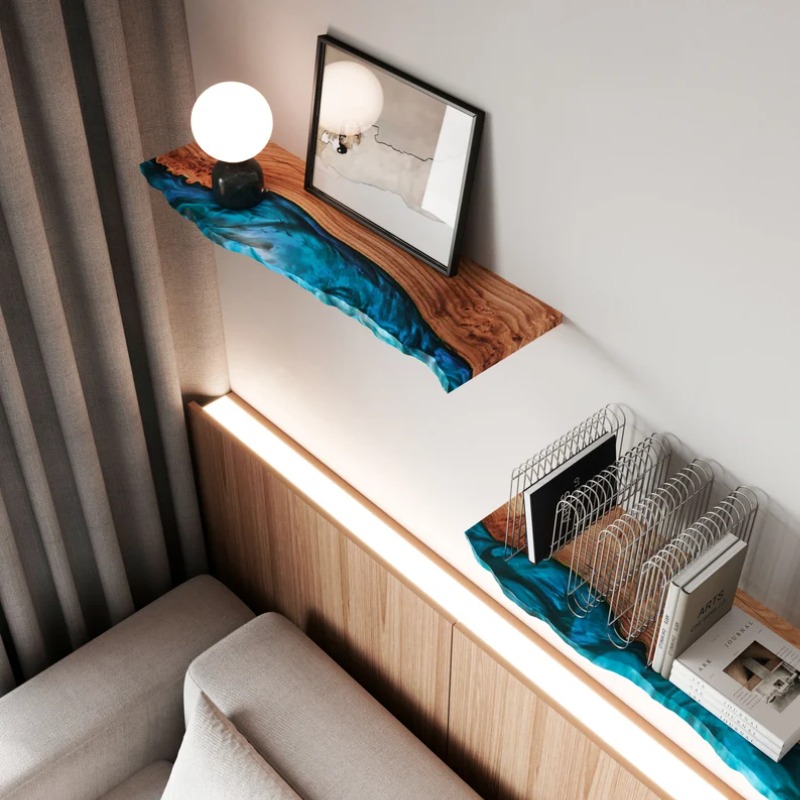
FAQs
1. How much weight can floating shelves hold safely?
It depends on the wall and installation, but ranges from 5 kg on weak drywall setups to 40+ kg on solid walls with proper mounting.
2. Can a floating bookshelf hold heavy books?
Yes, but only if it’s installed into studs or a solid wall and designed to handle the load.
3. Why do floating shelves sag over time?
Sagging usually happens due to long shelf length, weak material, or poor weight distribution.
4. Are wooden floating shelves better than engineered ones?
Yes, solid wood shelves are stronger, more durable, and less prone to bending.
5. What is the safest wall for installing floating shelves?
Concrete or brick walls provide the highest strength and stability.
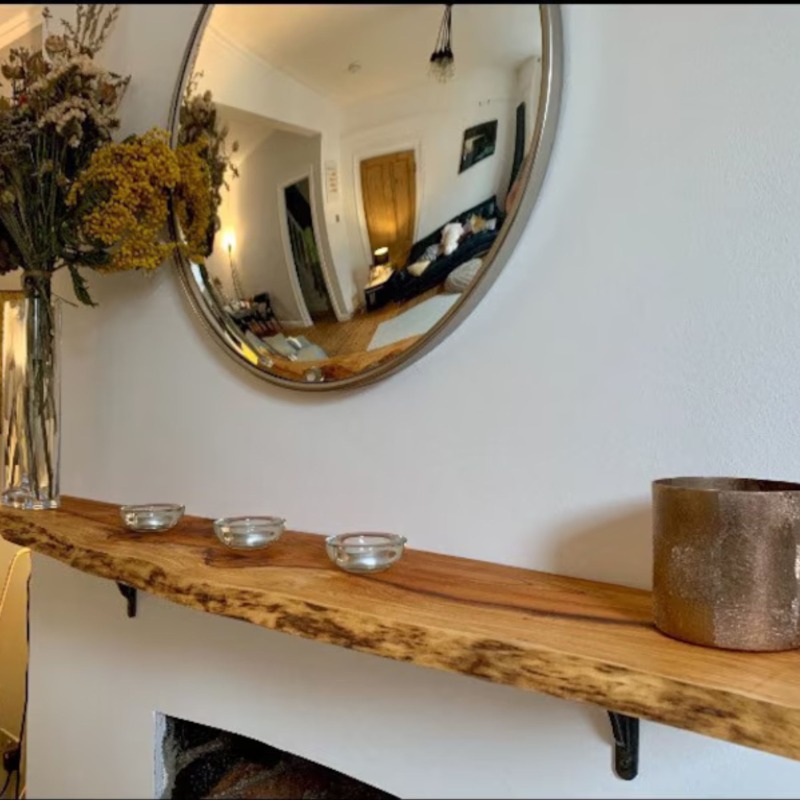
Upgrade to Reliable Floating Shelves
If you want floating wooden shelves that don’t just look good but actually last, material and build quality matter.
Explore Woodensure’s solid wood floating shelves designed for strength, durability, and modern interiors. Contact us to choose the right shelf setup for your space and avoid costly installation failures.
Contact us for more information or related queries.







