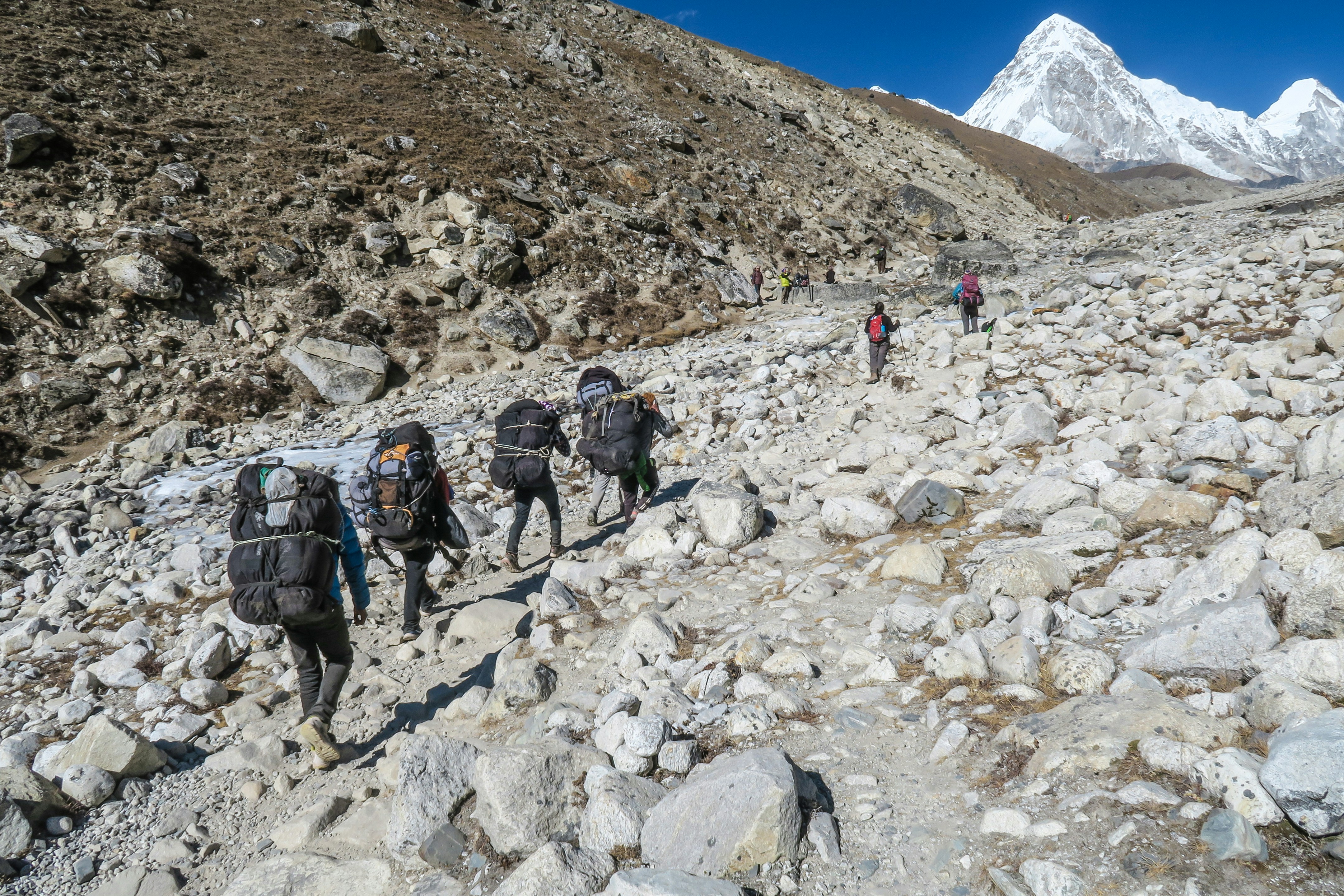

The first steps on the everest three high pass trek feel like stepping into a world of giants. Snowy peaks touch the sky, glaciers stretch across valleys, and every corner offers a new surprise. This trek is not just about walking—it is an adventure that challenges the body, excites the mind, and inspires the soul. From high mountain passes to quiet villages, every step brings the beauty of the Himalayas closer.
A Journey Through Stunning Landscapes
The Everest High Pass Trek takes trekkers through some of the most dramatic landscapes in Nepal. Starting from lower Himalayan forests, the trail passes through traditional Sherpa villages where prayer flags flutter in the wind. Stone houses, friendly smiles, and the warm hospitality of local teahouses make the journey welcoming and memorable.
As the trek climbs higher, the scenery changes. Dense forests give way to open valleys, rugged glaciers, and snow-covered peaks. Streams and waterfalls dot the trail, while towering mountains like Everest, Lhotse, and Cho Oyu dominate the skyline. The combination of nature and culture makes every day of the trek unique.
Crossing the Three High Passes
The main highlight of the trek is crossing three high mountain passes: Kongma La, Cho La, and Renjo La. Each pass offers breathtaking panoramic views, challenging climbs, and a sense of accomplishment.
Kongma La is the first test of strength and stamina. Trekkers face icy paths and high altitudes, but the view of Everest and surrounding peaks is worth every step. Cho La is the most technical pass, with glaciers and rocky terrain that test trekking skills. Finally, Renjo La offers wide Himalayan vistas and serene lakes, a perfect reward for the effort. Crossing these passes is an unforgettable experience and the heart of the Everest High Pass adventure.
Trek Facts and Useful Statistics
The Everest High Pass Trek is challenging but achievable for well-prepared trekkers.
Average trek length: 18–21 days
Total distance: approximately 150–160 kilometers
Maximum elevation: 5,535 meters (18,159 feet) at Cho La Pass
Daily walking ranges from 5–8 hours, depending on the route and altitude. The trek passes remote areas, so planning and preparation are essential. Teahouses along the route provide meals, tea, and basic lodging.
Teahouses, Culture, and Cuisine
Accommodation on the Everest High Pass Trek is mostly in teahouses. These simple lodges offer rooms with blankets, shared bathrooms, and hearty meals. Dal bhat (rice and lentils) is the staple food, providing energy for long days on the trail. Noodles, soups, and pancakes are also popular.
Trekkers experience the rich Sherpa culture along the way. Buddhist monasteries, prayer flags, and mani stones create a spiritual atmosphere. Villagers are friendly and often share stories of life in the Himalayas. The combination of culture, nature, and local hospitality makes this trek deeply rewarding.
Best Time to Trek
The best seasons for the Everest High Pass Trek are spring (March–May) and autumn (September–November). During these months, skies are clear, temperatures are moderate, and mountain views are at their best. Spring offers blooming rhododendron forests, while autumn gives crisp air and bright skies. Winter is colder and may have snow on the passes, while summer brings rain and occasional clouds.
Why the Everest High Pass Trek is Special
The Everest High Pass Trek is not just a hike—it is a journey from glaciers to peaks, from quiet valleys to towering mountains. It challenges trekkers physically and mentally but rewards them with unmatched Himalayan beauty. Crossing three high passes is a proud achievement and a once-in-a-lifetime experience.
For travelers seeking adventure, culture, and unforgettable landscapes, the everest three high pass trek delivers it all. Every glacier crossed, every peak viewed, and every village visited leaves a memory that lasts long after the trek ends.

You Might Like Also






