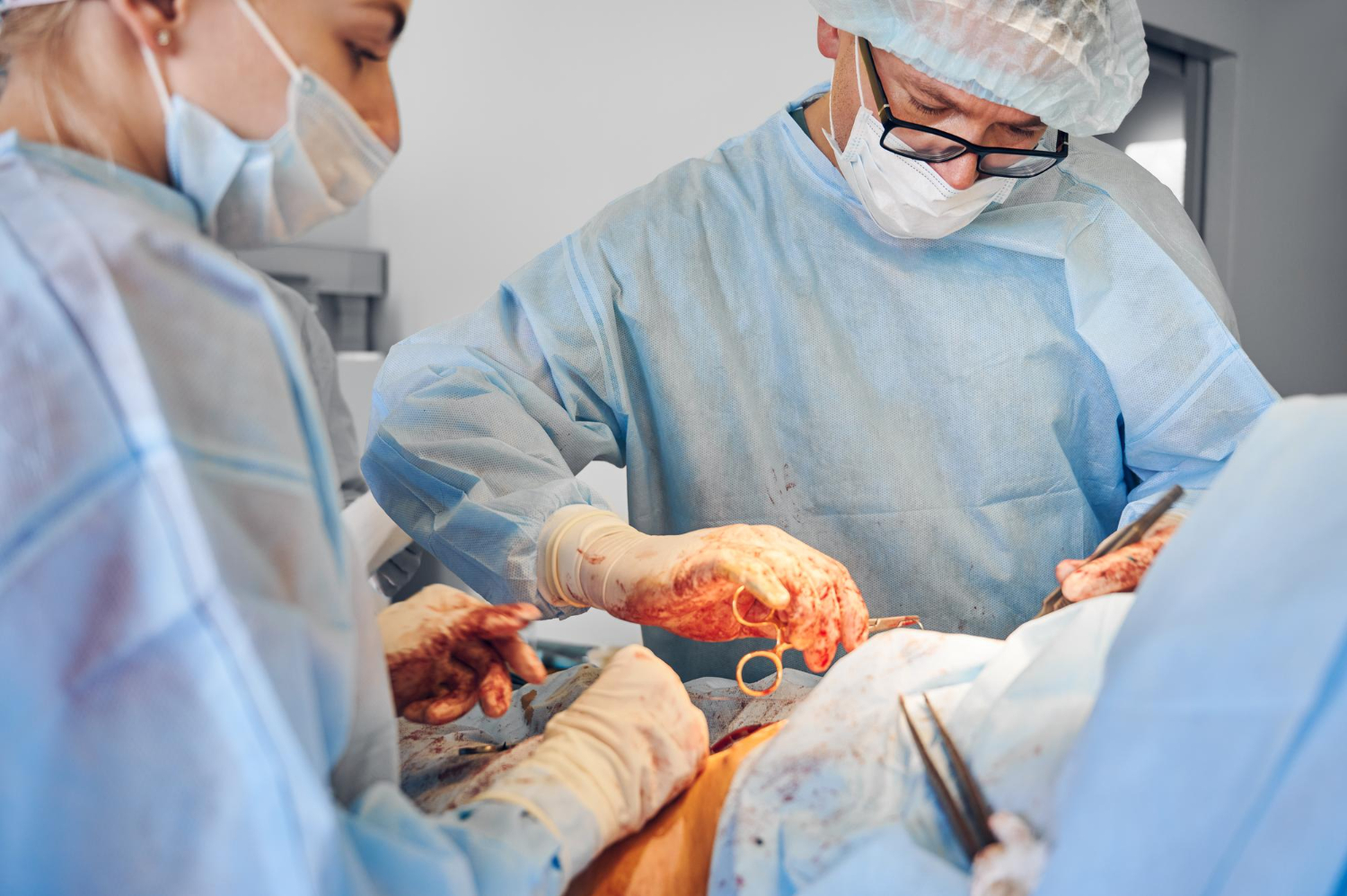
Gall Bladder & Biliary Tract Surgery: Symptoms, Treatment Options & Recovery

January 28, 2026
Problems affecting the gall bladder and biliary tract can lead to persistent abdominal pain, digestive discomfort, and serious health complications if left untreated. Conditions such as gallstones, infections, inflammation, and blockages often require surgical care. Best gall bladder & biliary tract surgery focuses on relieving symptoms, restoring normal bile flow, and preventing long-term complications. With timely diagnosis and advanced treatment, patients can regain digestive comfort and improve their overall quality of life.
Understanding Gall Bladder & Biliary Tract Disorders
The gall bladder stores bile, while the biliary tract carries it to the intestine for fat digestion. Any disruption in this system can cause pain, nausea, bloating, jaundice, and infections. When medications and lifestyle changes fail to control symptoms, surgical intervention becomes the most effective solution to restore normal digestive function.
When Is Gall Bladder & Biliary Tract Surgery Needed?
Surgery is commonly advised for the following conditions:
Symptomatic gallstones causing recurring pain
Chronic or acute inflammation of the gall bladder
Obstruction within the biliary tract
Stones lodged in the biliary system
Gall bladder polyps and tumors
Repeated attacks of pancreatitis related to gallstones
Early surgical treatment helps prevent complications such as severe infection, liver dysfunction, and pancreatic damage.
Surgical Techniques Used for Treatment
Modern gall bladder and biliary tract procedures are performed using advanced surgical methods, including:
Laparoscopic gall bladder removal for minimal pain and faster recovery
Open surgery for complex or emergency cases
Corrective biliary tract procedures to restore normal bile flow
Minimally invasive techniques for precise and safe treatment
These techniques are widely preferred for best gall bladder & biliary tract surgery, as they ensure smaller incisions, reduced hospital stay, and quicker return to daily activities.
Possible Risks and Safety Measures
Although these procedures are generally safe, possible risks include bleeding, infection, bile leakage, and temporary digestive changes. Choosing an experienced specialist and a well-equipped medical facility significantly lowers these risks and ensures safer surgical outcomes.
Recovery and Post-Surgical Care
Recovery after surgery is usually smooth, especially with minimally invasive procedures. Patients typically experience:
Short hospital stay
Gradual return to normal eating habits
Light physical activity during healing
Scheduled follow-ups for monitoring recovery
Proper post-operative care plays a key role in long-term digestive health and comfort.
Who Should You Consult for Gall Bladder & Biliary Tract Surgery?
Selecting the right surgeon is crucial for safe treatment and successful recovery. Patients seeking best gall bladder & biliary tract surgery often consult Dr. Ajay Yadav, a well-known Best Gastrosurgeon in Lucknow, recognized for his expertise in laparoscopic and minimally invasive gastrointestinal procedures. His patient-centered approach, attention to detail, and advanced surgical skills help deliver excellent outcomes with minimal complications.
Conclusion
Gall bladder and biliary tract disorders can significantly affect daily life and overall health. Early diagnosis, appropriate treatment, and expert surgical care can provide lasting relief and prevent serious complications. With advanced techniques and personalized care, patients can expect safe treatment, faster recovery, and improved quality of life.




