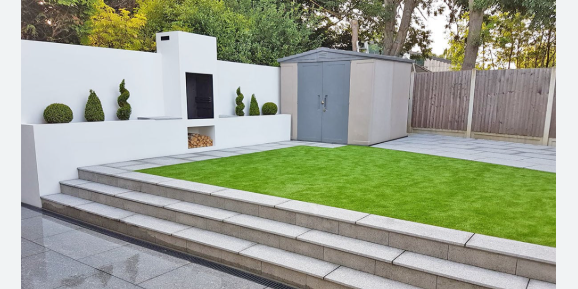
Granite vs Limestone Patios: Essex Homeowner's Guide

August 31, 2025
Choosing between granite and limestone for your Essex patio requires careful consideration of both materials' unique characteristics. These premium natural stones offer distinct advantages for outdoor living spaces, but understanding their differences helps ensure your investment delivers lasting satisfaction. Essex homeowners benefit from exploring how each material performs in local conditions while complementing the county's diverse architectural styles.
Both granite and limestone patios Essex enhance property values significantly while creating stunning outdoor entertainment areas. Your choice depends on specific requirements including durability needs, aesthetic preferences, maintenance expectations, and budget considerations. Professional installation ensures either material delivers decades of beauty and functionality in Essex's challenging climate conditions.
Natural stone patios represent substantial investments that reward careful planning and expert installation. Understanding granite and limestone characteristics helps make informed decisions that complement your property's unique features while meeting long-term performance expectations throughout Essex's variable weather patterns.
Understanding Granite Patios in Essex
Granite stands as the hardest natural stone commonly used for patios, offering unmatched durability and resistance to Essex weather conditions. This igneous rock formed through volcanic processes creates exceptionally dense surfaces capable of withstanding heavy traffic, freeze-thaw cycles, and coastal salt exposure common throughout the county.
Essex properties benefit from granite's impressive strength and longevity. Many historic buildings throughout Chelmsford and Colchester feature granite elements that remain pristine after centuries of exposure. This proven durability makes granite patios excellent long-term investments for discerning homeowners seeking permanent outdoor solutions.
Granite's Performance Advantages
Dense granite structure prevents water penetration that damages other materials during Essex winters. Freeze-thaw cycles that crack softer stones leave granite unaffected, maintaining structural integrity throughout seasonal temperature variations. This resistance proves especially valuable in coastal areas like Southend-on-Sea where salt exposure accelerates weathering processes.
Stain resistance represents another significant granite advantage for busy outdoor entertainment areas. Spilled wine, oil, or acidic substances that permanently mark limestone surfaces clean easily from granite with basic maintenance. This durability appeals to families hosting frequent gatherings or properties with swimming pools requiring chemical treatments.
Heat resistance allows granite patios to accommodate fire features, outdoor kitchens, and hot tubs without surface damage. The stone's thermal stability prevents cracking or discoloration from temperature extremes, supporting diverse outdoor living concepts throughout Essex properties.
Aesthetic Considerations for Granite
Granite offers dramatic visual impact through rich colors and distinctive crystalline patterns. Available options range from classic gray and black to warm pinks and striking blues that complement both traditional and contemporary Essex architecture. Each granite slab displays unique mineral compositions creating one-of-a-kind surfaces impossible to replicate.
Polished granite finishes provide elegant, formal appearances suitable for sophisticated entertainment areas. However, smooth surfaces can become slippery when wet, requiring careful consideration for pool areas or locations receiving frequent rainfall. Flamed or honed finishes offer better slip resistance while maintaining granite's inherent beauty.
The material's bold character works particularly well with modern architectural styles common in new Essex developments. Large-format granite slabs create contemporary elegance that complements glass, steel, and concrete design elements while providing organic contrast to manufactured materials.
Exploring Limestone Patios for Essex Properties
Limestone provides subtle elegance through warm cream and gray tones that complement Essex's historic architectural heritage. This sedimentary stone offers exceptional workability, allowing detailed edge profiles and custom features that enhance sophisticated patio designs throughout the county's diverse property styles.
Portland limestone, quarried in nearby Dorset, provides local provenance while delivering consistent quality perfect for formal garden settings. Its fine texture and uniform coloring create refined surfaces that age gracefully, developing attractive patina over time without compromising structural performance.
Limestone's Unique Character
Natural limestone formation creates subtle variations in color and texture that provide organic beauty impossible to achieve with manufactured materials. These variations ensure each patio remains unique while maintaining overall design cohesion throughout larger outdoor spaces common in Essex country properties.
The stone's sedimentary origin creates natural slip resistance through micro-textures that provide secure footing even when wet. This safety advantage proves especially valuable around swimming pools or entertaining areas where guest safety requires priority consideration.
Limestone's thermal properties provide comfortable walking surfaces that remain cool during summer heat while warming gently in spring sunshine. This natural temperature regulation enhances outdoor comfort throughout Essex's extended entertaining seasons.
Working with Limestone's Properties
Limestone requires understanding of its softer nature compared to granite alternatives. While this characteristic enables detailed carving and custom features, it also demands careful maintenance to prevent staining and weather damage in Essex conditions.
Acidic substances including wine, citrus juices, and cleaning products can etch limestone surfaces, creating permanent marks requiring professional restoration. However, proper sealing and prompt cleanup prevent most damage while maintaining the stone's natural beauty.
Regular maintenance including annual sealing protects limestone from Essex's damp climate while preventing organic growth that can stain surfaces. Professional maintenance services offer comprehensive care programs that preserve limestone's appearance while extending service life significantly.
Comparing Performance in Essex Conditions
Essex's clay-heavy soils and variable weather patterns create specific challenges for natural stone installations. Understanding how granite and limestone respond to these conditions helps determine which material suits individual property requirements and maintenance capabilities.
Ground movement from clay soil expansion affects both materials differently. Granite's extreme hardness can transmit stress to adjacent stones, potentially causing cracking if foundations prove inadequate. Limestone's slight flexibility accommodates minor movement more readily, reducing structural stress throughout the installation.
Weather Resistance Comparison
Freeze-thaw resistance strongly favors granite in exposed locations throughout inland Essex. Water penetration into limestone during wet periods can cause spalling when temperatures drop below freezing. Granite's impermeability prevents this damage, maintaining pristine appearance regardless of weather conditions.
Salt resistance proves crucial for coastal Essex properties. Granite handles salt exposure without degradation, making it ideal for properties near Southend-on-Sea or other coastal locations. Limestone requires careful selection and regular maintenance to prevent salt damage in marine environments.
UV stability affects long-term color retention for both materials. Granite maintains consistent coloring indefinitely under direct sunlight. Limestone may experience subtle color shifts over decades, though many homeowners appreciate this natural aging process that enhances character.
Installation Considerations for Essex Properties
Professional installation proves critical for both granite and limestone patios in Essex conditions. Each material requires specific techniques and considerations that affect long-term performance and appearance throughout the county's challenging climate conditions.
Foundation Requirements
Granite's weight demands robust foundations capable of supporting substantial loads without settlement. Typical installations require 250-300mm of properly compacted MOT Type 1 aggregate to create stable bases for heavy granite slabs. Professional contractors understand these requirements and implement appropriate specifications.
Limestone installations can utilize slightly reduced foundation depths due to lighter weight, but still require substantial preparation for Essex clay soils. Proper drainage becomes especially important for limestone to prevent water retention that can cause staining or freeze damage.
Joint Specifications
Granite installations typically utilize narrow joints with rigid mortars that accommodate the stone's dimensional stability. These tight joints create contemporary appearances while providing weather resistance appropriate for granite's durability expectations.
Limestone benefits from slightly wider joints using flexible mortars that accommodate thermal movement and minor settling. Traditional lime mortars complement period properties while providing appropriate flexibility for Essex soil conditions.
Cost Analysis and Value Considerations
Initial material costs generally favor limestone over granite, though specific varieties and sources significantly affect pricing. Local Essex suppliers offer competitive pricing for both materials while providing expert guidance on selections appropriate for individual projects and budgets.
Installation costs depend more on site complexity than material choice, though granite's weight may require additional access considerations or equipment for challenging locations. Both materials provide excellent long-term value through durability and property enhancement.
Long-term Investment Returns
Granite patios typically require minimal maintenance beyond occasional cleaning, reducing long-term ownership costs. The material's stain resistance and durability provide excellent returns for busy families or commercial applications requiring minimal upkeep.
Limestone maintenance costs should factor into long-term budgets, including periodic sealing and potential repair work. However, the material's timeless appeal and architectural compatibility often provide superior aesthetic returns that justify additional care requirements.
Making Your Essex Patio Decision
Choosing between granite and limestone patios depends on balancing practical requirements with aesthetic preferences and maintenance capabilities. Both materials offer distinct advantages that suit different property types and lifestyle requirements throughout Essex.
Granite suits homeowners prioritizing durability, minimal maintenance, and contemporary aesthetics. Its exceptional weather resistance makes it ideal for exposed locations or properties requiring heavy-duty surfaces for frequent entertaining or commercial applications.
Limestone appeals to those valuing traditional elegance, architectural compatibility, and natural aging characteristics. Its workability enables custom details while providing refined beauty that complements Essex's historic properties and formal garden settings.
Professional consultation helps evaluate specific site conditions, design goals, and budget considerations that affect material selection. Experienced contractors provide valuable insights based on local experience and understanding of Essex-specific requirements.




