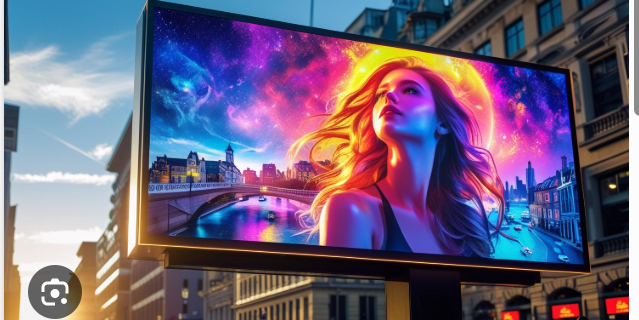
High Brightness Displays Transform Challenging Work Environments

July 26, 2025
Standard monitors fail when bright lighting overwhelms screen visibility. High brightness displays deliver the enhanced luminance needed to maintain clear, readable content in demanding professional environments where conventional screens become practically useless.
These specialized displays produce significantly higher light output than traditional monitors, enabling reliable information access in hospitals, factories, control centers, and other facilities where ambient lighting creates visibility challenges. Organizations investing in this technology gain consistent screen readability that supports both safety requirements and operational efficiency.
What Makes High Brightness Displays Different
High brightness displays generate between 700 and 5,000 nits of luminance, dramatically exceeding the 250-400 nit output of conventional monitors. This substantial increase ensures screen content remains sharp and clearly visible even under intense ambient lighting conditions that would render standard displays unreadable.
Advanced LED backlighting systems form the foundation of this technology. These sophisticated arrays distribute light uniformly across the entire display surface while preserving accurate color reproduction and contrast ratios. Unlike standard displays that often sacrifice visual quality in bright environments, high brightness monitors maintain image integrity alongside enhanced luminance.
Dynamic backlighting features automatically adjust output based on surrounding conditions. This intelligent adaptation optimizes visibility while reducing energy consumption when maximum brightness isn't required, extending display lifespan while maintaining peak performance throughout varying lighting scenarios.
Essential Applications Across Industries
Medical and Healthcare Settings
Operating theaters present extreme visibility challenges where surgical teams require constant access to patient data, diagnostic images, and navigation systems under intense surgical lighting. Standard monitors become nearly invisible in these conditions, making high brightness display essential for maintaining workflow continuity.
Emergency departments benefit significantly from enhanced brightness technology at patient monitoring stations where information clarity directly impacts critical care decisions. Radiology reading rooms particularly require reliable screen visibility when reviewing diagnostic images under bright ambient lighting conditions.
Industrial Manufacturing Environments
Factory floors equipped with powerful LED lighting systems create conditions where conventional displays disappear completely. Production workers need clear visibility of process control data, quality metrics, and safety alerts from multiple viewing angles throughout their shifts.
Chemical processing plants and power generation facilities depend on high brightness monitors for system monitoring applications where visibility failures could compromise operational efficiency and critical safety protocols.
Transportation Control Centers
Airport control towers face constant challenges from expansive windows and intense overhead lighting. Air traffic controllers require uninterrupted access to flight tracking data, weather systems, and communication interfaces without experiencing eye strain or visibility interruptions.
Railway dispatch centers and maritime operations utilize enhanced brightness technology for safety-critical monitoring where information visibility problems could result in serious operational consequences.
Technical Selection Guidelines
Understanding Brightness Measurements
Brightness levels are measured in nits, representing one candela per square meter. Indoor environments typically require 700-1,200 nits for optimal visibility under standard artificial lighting conditions.
Semi-outdoor installations or window-facing displays often need 1,500-2,500 nits to compete effectively with natural light infiltration. Fully outdoor applications may demand 3,000 nits or higher to maintain readability under direct sunlight exposure.
Environmental Assessment Considerations
Evaluate your workspace during its brightest operating conditions and select displays with appropriate nit ratings plus additional capacity margin. Consider seasonal lighting variations, window orientations, and potential future lighting system upgrades that might affect ambient brightness requirements.
Viewing distance significantly influences brightness needs. Displays designed for close-up interaction may perform adequately at lower brightness levels compared to those intended for room-wide visibility applications.
Installation and Optimization Strategies
Professional installation addresses mounting angles, ambient light positioning, and thermal management requirements that significantly impact display effectiveness and operational lifetime. Proper positioning maximizes visibility benefits while ensuring reliable long-term performance in demanding environments.
Size and resolution considerations affect power consumption and heat generation substantially. Larger high brightness displays require more robust backlighting systems, increasing electrical demands and cooling infrastructure requirements that must be evaluated during planning phases.
Regular maintenance including cleaning schedules and brightness calibration helps preserve peak performance throughout the display's service life. Many modern units include built-in light sensors and automatic adjustment features that simplify ongoing optimization requirements.
Making Smart Technology Investments
High brightness displays represent essential investments for applications where information visibility directly impacts safety, productivity, or operational effectiveness. Understanding brightness requirements, environmental factors, and selection criteria ensures optimal display performance in your specific application.
Organizations can now confidently deploy digital solutions knowing their critical content will remain accessible and clearly visible to intended users regardless of ambient lighting challenges. This technology transforms previously problematic environments into fully functional digital workspaces.




