
How Does PRP Hair Treatment Differ From Other Hair Restoration Methods?

November 20, 2026
Hair loss can develop due to genetics, hormonal changes, ageing, stress, or changes in scalp health. Understanding the available solutions helps individuals choose an approach that matches their hair concerns. Best PRP Hair Treatment in Dubai is a commonly explored option, and Dynamic Clinic in Dubai provides an advertorial reference for individuals researching modern hair restoration approaches.
Understanding How PRP Hair Treatment Works
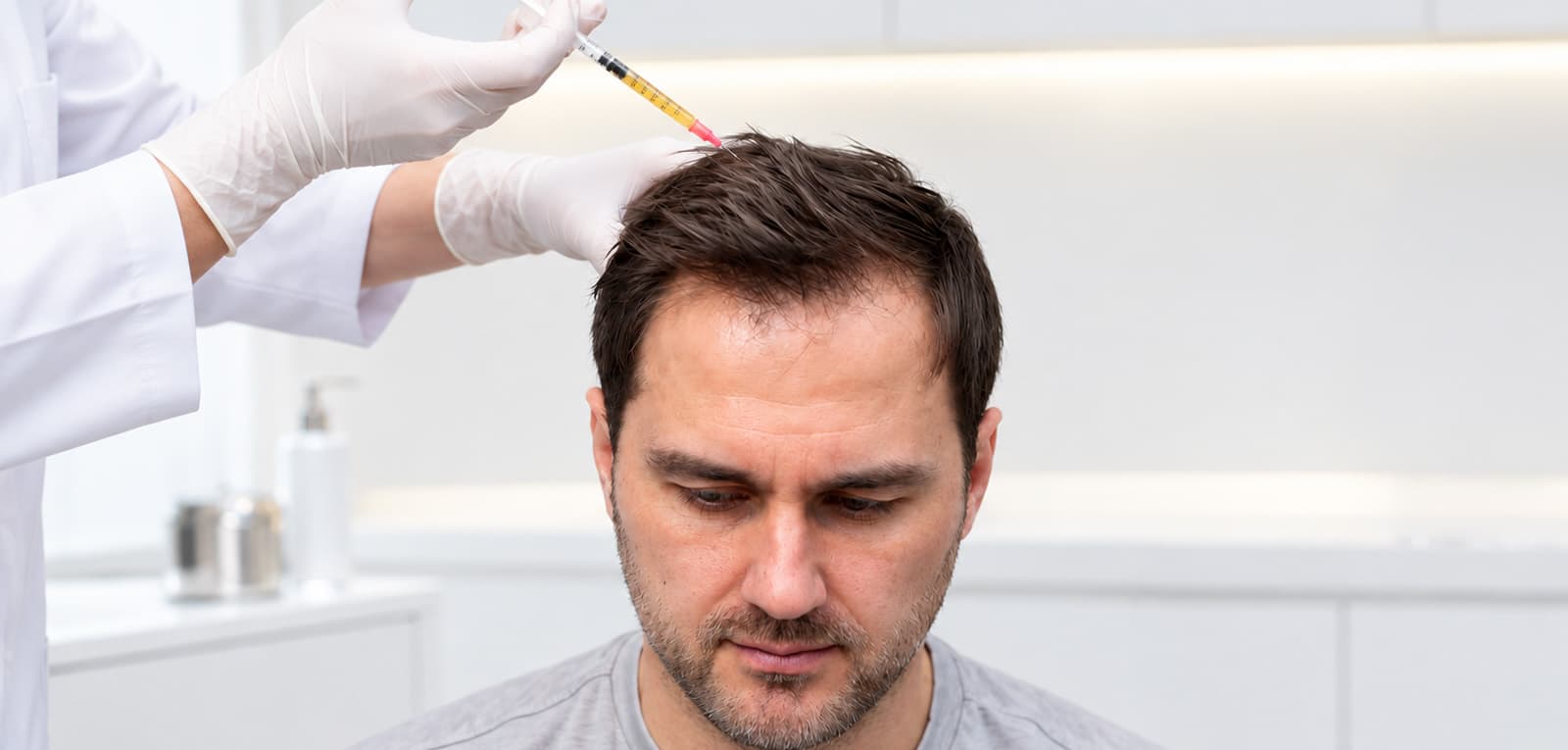
Platelet-Rich Plasma (PRP) therapy is a non-surgical hair restoration procedure that uses components of a person's own blood. A small blood sample is collected and processed in a centrifuge to separate platelet-rich plasma from other blood components.
The concentrated plasma contains platelets that release growth factors involved in natural tissue repair and cellular activity. A qualified practitioner applies the prepared plasma to selected areas of the scalp using small injections.
PRP aims to support the scalp environment and stimulate existing hair follicles. It does not create new follicles or replace areas where follicles have been permanently lost. Its potential benefits are generally more relevant to individuals experiencing early or moderate hair thinning.
PRP Compared With Hair Transplant Surgery
Hair transplant surgery and PRP therapy address hair loss through different mechanisms. A transplant involves moving healthy hair follicles from a donor area, usually the back or sides of the scalp, to areas affected by thinning or baldness.
PRP, on the other hand, uses concentrated platelets to support existing follicles without surgically relocating hair.
Important differences include:
Procedure: Hair transplantation involves surgery, while PRP uses injections.
Follicles: Transplants move existing follicles to another area. PRP works with follicles already present.
Recovery: Transplant patients generally require a longer recovery period than those receiving PRP.
Suitability: Transplants may be considered for established bald areas, while PRP is often explored for thinning hair.
Results: Transplants can produce new hair growth in treated areas, whereas PRP aims to improve the activity of existing follicles.
Some individuals may consider PRP alongside hair transplantation as part of a broader hair restoration plan, depending on professional assessment.
How PRP Differs From Minoxidil and Finasteride
Medications such as minoxidil and finasteride are commonly used to manage certain forms of hair loss. However, their mechanisms differ from platelet-rich plasma therapy.
Minoxidil is a topical or oral medication, depending on the formulation and medical guidance. It can help support hair growth and extend the active growth phase of hair follicles.
Finasteride is an oral prescription medication that reduces the conversion of testosterone into dihydrotestosterone (DHT). Since DHT contributes to pattern hair loss in susceptible individuals, reducing its activity may help slow further thinning.
PRP does not work by blocking DHT or delivering medication through the bloodstream. Instead, it uses concentrated platelets and their growth factors to influence the scalp's natural biological processes.
The choice between these approaches depends on the cause of hair loss, medical history, treatment tolerance, and expected outcomes. Some treatment plans may combine different methods under professional supervision.
PRP Versus Low-Level Laser Therapy
Low-level laser therapy (LLLT) is another non-surgical approach used for certain types of hair thinning. It uses low-intensity light energy directed towards the scalp.
The approach is different from PRP because it does not involve blood collection or injections. Light-based devices aim to influence cellular activity within hair follicles, potentially supporting hair growth in suitable individuals.
PRP involves biological growth factors, while LLLT relies on light energy. Both approaches are intended to support existing follicles rather than replace permanently lost follicles.
Treatment frequency, device quality, individual response, and the underlying cause of hair loss can influence outcomes.
What Makes PRP Different From Other Hair Restoration Options?
PRP has several characteristics that distinguish it from conventional hair restoration methods.
Uses the patient's own blood: The procedure relies on autologous plasma, reducing concerns associated with introducing donor-derived biological material.
Minimally invasive approach: PRP does not require surgical incisions or follicle transplantation.
Targets existing follicles: Its main purpose is to support follicles that are still present and potentially active.
Personalised treatment planning: The preparation process and injection areas can be adjusted according to scalp condition and hair loss patterns.
Can complement other treatments: PRP may be incorporated into a wider hair restoration programme when clinically appropriate.
However, using a person's own blood does not eliminate every risk. Temporary swelling, tenderness, bruising, and infection are possible complications associated with injections.
Who May Benefit From PRP Hair Treatment?
PRP may be considered by individuals experiencing early hair thinning, reduced hair density, or certain forms of pattern hair loss. People with active hair follicles may have a better opportunity to benefit than those with completely bald areas.
A professional scalp assessment is important before starting treatment. Factors that influence suitability include:
The underlying cause of hair loss.
The condition and density of existing follicles.
Scalp health and inflammation.
Medical conditions and medication use.
Platelet levels and overall health.
Previous responses to hair restoration treatments.
PRP may not be appropriate for everyone. Individuals with certain blood disorders, platelet dysfunction, active infections, or other medical concerns may require alternative approaches.
What Should Patients Expect From PRP Results?
PRP results develop gradually rather than immediately. Hair growth follows natural biological cycles, so changes in thickness, density, and shedding patterns may take several months to become noticeable.
Multiple sessions are often recommended, followed by maintenance treatments when appropriate. Results vary according to the individual's condition, treatment protocol, and response to therapy.
It is also important to understand that scientific evidence for PRP hair restoration is promising but still developing. Studies report potential improvements in hair density, although treatment methods and outcomes vary.
Conclusion
PRP hair treatment differs from other hair restoration methods because it uses concentrated platelets from the patient's own blood to support existing hair follicles. Unlike hair transplantation, it does not relocate follicles, and unlike medications or laser therapy, it relies on growth factors rather than pharmaceutical or light-based mechanisms. Understanding these differences helps individuals make informed decisions about suitable hair restoration options based on their scalp condition, medical history, and long-term goals.

You Might Like Also

How Can Patients Understand the Factors Behind Liposuction Cost?


When Should Cellulite Treatment Results Be Reassessed?

Is Lip Filler Price Influenced by Desired Lip Definition?

Is Aqualyx Injection Effective for Small Fat Deposits?

When Should Mesotherapy Treatment Be Avoided?




