How to Choose the Best Nickel Crucible for Your Laboratory Needs

October 01, 2025
A nickel crucible is a sturdy lab tool built for high-temperature tasks like melting metals or running chemical tests. It is made from pure nickel to handle intense heat and resist corrosion. For accurate experiment results scientists and lab techs depend on it. Choosing the right one makes sure your work goes smoothly and is correct.
Picture this: you're deep in a critical lab project and your crucible cracks under pressure. Nightmare right? A good nickel crucible can save you from that mess keeping experiments on track. This article is your guide to choosing one that won’t let you down. Let’s dive into what makes these tools ace for your lab needs
Nickel crucibles shine in tasks like sample prep and chemical fusion thanks to their durability. They’re perfect for labs needing reliable gear for high heat work. We’ll walk you through picking the best one by looking at size, material and more. This guide will show you why they’re worth it for serious lab work.
What Is a Nickel Crucible and Why Use It
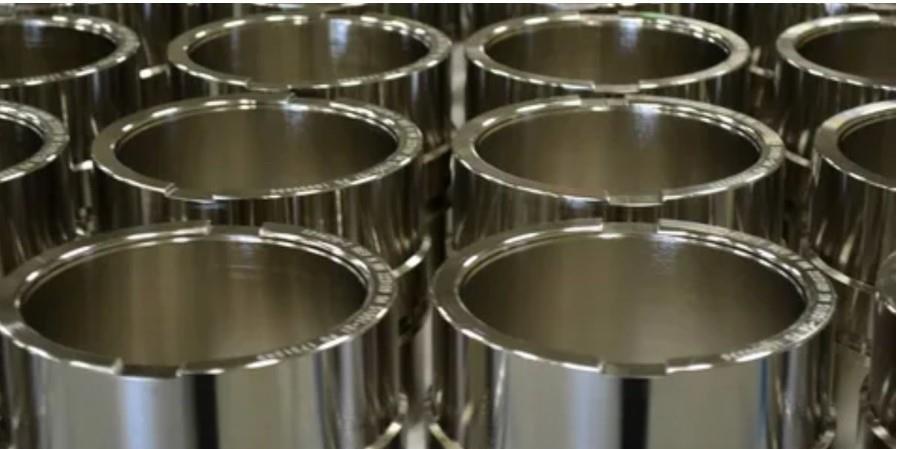
A nickel crucible is a tough lab container made from high purity nickel for handling scorching temperatures. It’s built to melt metals or run chemical tests without breaking a sweat. Labs love it because it resists corrosion and keeps experiments clean. Using one means your results stay spot on every time.
Why bother with a nickel crucible? It’s your lab’s best partner for high heat jobs like fusing samples or testing alloys. They last ages and don’t react with most chemicals making them a solid pick.
Key Factors to Consider When Choosing a Nickel Crucible
Picking the right nickel crucible can make or break your lab work. You need one that handles high heat and tough chemicals without failing. Think about your experiment’s needs like size and material purity to avoid costly mishaps. A smart choice keeps your results accurate and your lab humming.
Nobody wants a crucible that cracks mid experiment. Focus on quality features like durability and chemical resistance to get the best fit. This guide breaks down what to look for so your lab gear doesn’t let you down.
Material Quality and Purity
High purity nickel is key to a top-notch crucible. It prevents contamination that can ruin sensitive experiments. If you use low-quality materials, they might react or break down which could ruin your results. Choose a crucible with certified purity for peace of mind.
Size and Capacity
The size of your crucible should match the amount of work in your lab. Small ones work for tiny samples while larger ones handle bigger batches. Choosing the wrong size can make you work more slowly or waste materials. Measure your needs to get it right.
Temperature Resistance
Nickel crucibles shine in scorching conditions but not all are equal. Make sure the maximum temperature rating matches the heat of your experiment. A good one withstands extreme temps without warping. This makes your lab safe and works well.
Chemical Compatibility
Not all crucibles work well with all chemicals. Nickel can react with some things, which can cause problems or damage. Know your experiment’s materials and pick a crucible that won’t interfere. This ensures clean and accurate outcomes.
Common Applications of Nickel Crucibles in Labs
Nickel crucibles are lab heroes for tasks needing high heat and tough conditions. They are perfect for melting metals or prepping samples for analysis. Their strength and resistance make them a go-to for precise work. Labs rely on them to keep experiments smooth and results spot on.
From alloy testing to chemical fusion, these crucibles handle serious jobs. They are built to withstand harsh environments without breaking down. Whether you are a scientist or lab tech, they are your partner for reliable outcomes. Here’s a look at where they shine in the lab.
- Melting metal alloys for material testing
- Preparing samples for chemical analysis
- Conducting high temperature fusion experiments
- Supporting precise gravimetric analysis tasks
- Working with corrosive materials in lab reactions
- Helping with quality control in industrial labs
Tips for Maintaining Your Nickel Crucible
Your nickel crucible is a lab workhorse but it needs some TLC to stay in top shape. After each use, clean it carefully so that dirt doesn't build up and mess up your experiments. Store it properly to prevent scratches or dents. A little care goes a long way to keep it reliable.
Don't let your crucible get damaged in the lab. Regular maintenance keeps you from having to buy new parts and getting bad results. Simple steps like proper cleaning and safe storage make all the difference. Here’s how to keep your crucible ready for action.
- Clean with mild solutions to remove residue safely
- Don't use tools that are too rough as they could scratch the surface.
- Rinse well to keep chemicals from getting in.
- Store in a dry safe place to avoid physical damage
- Check for cracks or wear before each use.
- Use only for compatible chemicals to extend lifespan
Conclusion
Choosing the right nickel crucible is all about matching your lab’s needs with quality gear. Focus on purity, size and durability to nail your experiments. A solid crucible keeps your work precise and your lab running smoothly. You’re now set to pick one that’s a perfect fit.
Don’t skimp on this vital tool; it's the backbone of reliable results. Take these tips and pick a crucible that stands up to your toughest tasks. Your experiments deserve the best so grab a nickel crucible that delivers.




