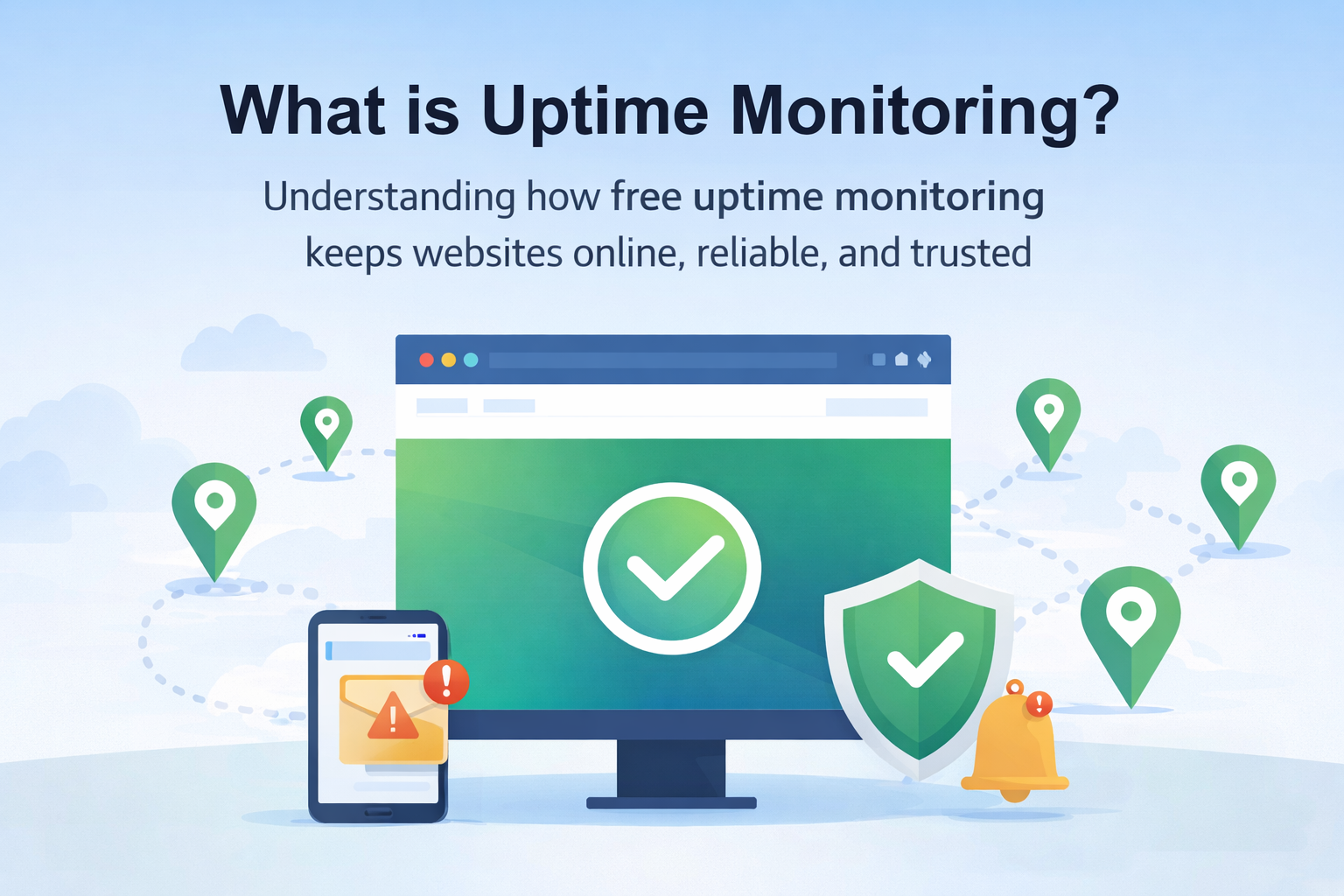

Websites are living systems. Pages update quietly, servers fail without warning, and small changes can have big consequences. If you manage a blog, an online store, a business website, or even a personal project, knowing when something changes is critical. Many people assume monitoring is complex or expensive, but that is no longer true. Today, free uptime monitoring and web page monitoring services make it possible for anyone to track website changes without technical expertise or a large budget.
Monitoring a web page for changes is not only about catching downtime. It is also about protecting trust, maintaining performance, and staying informed. When visitors land on a broken page or outdated content, confidence drops immediately. This guide explains how web page monitoring works, why free uptime monitoring matters, and how you can use reliable tools to stay ahead of issues before they affect your audience.
What does it mean to monitor a web page for changes?
Web page monitoring is the process of automatically checking a website page at regular intervals to detect changes. These changes may include content updates, layout modifications, broken links, or complete downtime. A web page monitoring service runs these checks continuously and alerts you when something unexpected happens.
Free uptime monitoring focuses on availability. It checks whether your website is reachable and responding properly. If your page goes down, loads too slowly, or returns an error, the monitoring service notifies you immediately. This early warning system allows you to respond before visitors notice a problem.
For small businesses and independent creators, free monitoring tools provide essential visibility without financial risk. They offer peace of mind and help you maintain a stable online presence.
Why free uptime monitoring is essential today
Website downtime is more common than most people realize. Hosting issues, plugin conflicts, expired domains, and server overloads can all cause sudden outages. Even a short period of downtime can result in lost traffic, lost sales, and damaged credibility.
Free uptime monitoring helps by acting as a constant watchdog. Instead of manually checking your site multiple times a day, the service does it for you. This is especially important if your website generates leads, processes payments, or provides time-sensitive information.
From an experience and trust perspective, uptime monitoring supports E E A T principles. A reliable website demonstrates professionalism and technical responsibility. Search engines and users both value sites that load consistently and function as expected. Monitoring ensures that your site meets these expectations over time.
How a web page monitoring service works
Most web page monitoring services follow a simple process. First, you enter the URL you want to monitor. Next, you choose how often the service should check the page. Many free uptime monitoring tools offer checks every five to ten minutes.
The service then sends automated requests to your page. It records response time, status codes, and availability. If the page fails to load or returns an error, the system triggers an alert. Alerts are usually sent by email, and some services also offer app notifications.
More advanced free tools can monitor specific page elements. For example, they can detect changes in text, images, or page structure. This is useful if you want to know when content updates occur, not just downtime.
Choosing the right free uptime monitoring tool
Not all free monitoring tools are the same. When selecting a web page monitoring service, focus on reliability and transparency. Look for tools that clearly explain how often they check your site and how alerts are delivered.
A good free uptime monitoring service should offer clear reporting. You should be able to see uptime history, response times, and incident logs. These records help you identify patterns and recurring problems.
Ease of use also matters. If a tool is confusing or overloaded with unnecessary features, it becomes difficult to trust. Simple dashboards and straightforward alerts are often more effective than complex systems.
How to monitor a web page step by step
Start by identifying which pages matter most. For many sites, the homepage, contact page, and checkout or lead form pages are critical. Add these URLs to your monitoring tool first.
Set a reasonable check frequency. For free uptime monitoring, five or ten-minute intervals are usually sufficient. This balances coverage with system limits often applied to free plans.
Next, configure alerts carefully. Make sure notifications go to an email address you check regularly. Alerts are only useful if they reach you quickly.
Finally, review reports weekly. Even if no downtime occurs, response time data can reveal slow-loading issues. Gradual performance decline is often a sign of deeper problems that need attention.
Benefits of monitoring beyond downtime
While uptime is the main focus, web page monitoring offers additional value. It helps you detect unauthorized changes, such as hacked content or broken scripts. It also supports better maintenance planning by showing when updates cause performance issues.
For content-driven websites, monitoring ensures that published information remains accessible. If a page disappears or returns errors, you can fix it before search rankings or reader trust are affected.
Free monitoring tools empower site owners with limited resources. They create a safety net that would otherwise require paid services or technical staff.
Common mistakes to avoid
One common mistake is relying only on manual checks. Human checks are inconsistent and often too late. Automated monitoring provides objective and continuous coverage.
Another mistake is monitoring only one page. Issues can occur on internal pages without affecting the homepage. Expanding monitoring gradually ensures broader protection.
Finally, do not ignore alerts. Even if downtime resolves itself, repeated incidents signal underlying issues. Treat alerts as valuable data, not just warnings.
Conclusion
Monitoring a web page for changes is no longer optional in a digital-first world. Free uptime monitoring makes this essential practice accessible to everyone, from solo creators to growing businesses. By using a reliable web page monitoring service, you protect your website’s availability, performance, and credibility.
Consistent monitoring reflects care, responsibility, and professionalism. It aligns with modern expectations of trust and expertise online. When your website stays online and responsive, visitors feel confident, search engines respond positively, and your goals remain achievable. Free tools may be simple, but their impact on long-term success is significant when used thoughtfully and consistently.

You Might Like Also


Finding the Right Plumbing Companies Near Me: A Homeowner's Guide


Your Guide to Volunteer Abroad Programs

Resilience at Work: Building Skills to Thrive at Work

6 Reasons You Must Have Hire Data Backup Services




