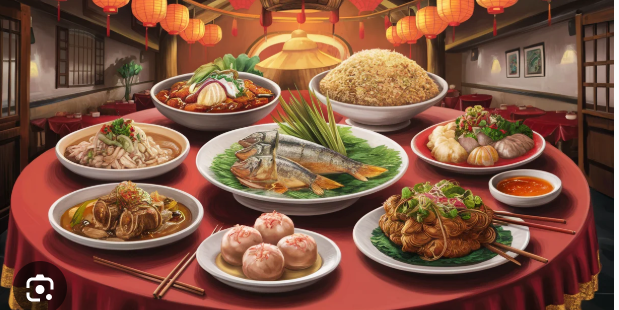

Cantonese food hong kong is renowned worldwide for its delicate flavors, fresh ingredients, and meticulous cooking techniques. As one of the most popular Chinese culinary traditions, it attracts both locals and tourists seeking authentic dining experiences. From street food stalls to fine dining restaurants, Cantonese cuisine represents a vital part of Hong Kong’s food culture.
Traditional Cantonese Ingredients
The foundation of Cantonese food hong kong lies in the use of fresh, high-quality ingredients. Common elements include seafood, poultry, pork, and seasonal vegetables. Chefs emphasize natural flavors, often using minimal seasoning to enhance the taste of each ingredient.
Dim Sum and Small Plates
Dim sum is a staple of Cantonese cuisine, offering a variety of small plates such as dumplings, buns, and pastries. These dishes are typically served during breakfast or lunch hours, often accompanied by tea. Sharing dim sum is a social activity that allows diners to sample multiple flavors in one meal.
Signature Dishes
Cantonese food hong kong features a wide range of signature dishes, including roasted duck, sweet and sour pork, steamed fish, and stir-fried vegetables. Each dish showcases the balance between taste, texture, and presentation, reflecting the culinary skill of Cantonese chefs.
Seafood Specialties
Being a coastal city, Hong Kong offers a vast selection of fresh seafood. Cantonese food hong kong highlights dishes like steamed lobster, crab with ginger and scallions, and braised abalone. These dishes are prepared to preserve natural flavors while offering rich, satisfying tastes.
Soups and Broths
Soups play a central role in cantonese food hong kong dining. Light broths, herbal soups, and double-boiled concoctions are popular choices. These soups not only enhance the meal but also offer health benefits, aligning with the Cantonese emphasis on nutrition and wellness.
Modern Interpretations
While traditional recipes remain popular, modern Cantonese restaurants in Hong Kong also experiment with fusion cuisine. Chefs incorporate international ingredients and innovative cooking methods to create unique dishes, attracting both younger diners and international tourists.
Dining Ambiance
Cantonese food hong kong is not just about taste but also about atmosphere. Restaurants range from casual eateries to upscale dining halls, many featuring elegant décor and comfortable seating. The ambiance enhances the overall dining experience and reflects the cultural richness of Cantonese cuisine.
Festivals and Special Menus
During festivals like Lunar New Year and Mid-Autumn Festival, Cantonese restaurants offer special menus featuring seasonal delicacies. Traditional dishes such as roast pork, mooncakes, and glutinous rice cakes celebrate the culture and heritage of Hong Kong while providing memorable dining experiences.
Tea Culture
Tea is an essential part of Cantonese dining, often served alongside meals to complement flavors and aid digestion. Popular choices include jasmine tea, oolong tea, and pu-erh tea. Proper tea etiquette is observed, enhancing the cultural experience associated with Cantonese food hong kong.
Tips for Enjoying Cantonese Food
To fully enjoy Cantonese food hong kong, diners are encouraged to try a variety of dishes and share them with companions. Sampling dim sum, seafood, and traditional entrees allows for a diverse tasting experience. Observing local customs, such as pouring tea for others, further enriches the meal.
Conclusion
Cantonese food hong kong offers a culinary journey filled with rich flavors, fresh ingredients, and cultural significance. From dim sum to seafood specialties, every meal showcases the artistry and tradition of Cantonese cuisine. Dining in Hong Kong provides not only a taste of authentic Chinese food but also an insight into the city’s vibrant culture and heritage




