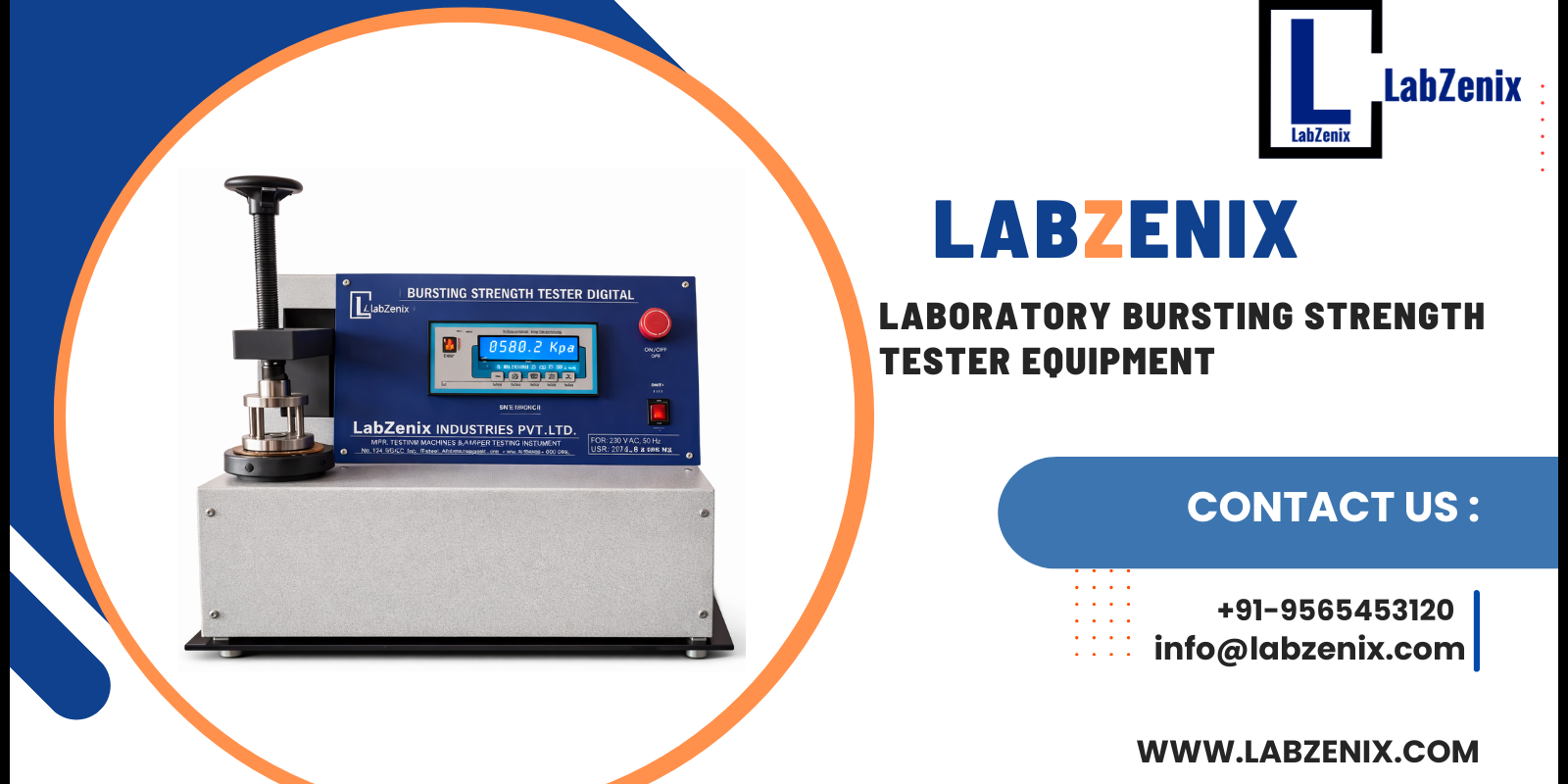
🔬 What is a Laboratory Bursting Strength Tester?
A Laboratory Bursting Strength Tester is a precision instrument that measures the maximum pressure a material can endure before rupturing. It simulates the multidirectional stresses packaging faces during handling, stacking, and transportation. The core principle involves clamping a sample securely and using a hydraulic or pneumatic system to expand a rubber diaphragm against it until failure. The peak pressure, displayed in units like kg/cm² or kPa, is recorded as the Bursting Strength.
📦 Why It's Indispensable for Pharma & Packaging
For the paper, packaging, and aluminium foil sectors, this equipment is vital for several reasons:
Ensures Product Integrity & Safety: In pharmaceuticals, packaging protects products from moisture, contamination, and physical damage. A Bursting Strength Tester verifies that blister packs, medicine cartons, and foil pouches will not fail under pressure, safeguarding product efficacy and patient health.
Guarantees Supply Chain Durability: It validates whether corrugated shipping boxes, paperboards, and laminated materials have the structural strength to survive logistics without bursting, which prevents costly damages and recalls.
Drives Cost Efficiency & Compliance: By enabling precise quality control, it helps avoid over-engineering (using excessively strong, costly materials) or under-engineering (risking failures). It also provides auditable proof of compliance with major international standards such as ASTM D3786, ISO 2759, and TAPPI T810.
📊 Key Features of Modern Testers (Like LabZenix)
Modern Bursting Strength Tester equipment, such as advanced models available from industry leaders, incorporate features designed for precision, ease, and reliability:
Digital Microprocessor Control: Ensures highly accurate and repeatable test results.
Automatic Pneumatic Clamping: Provides uniform, secure sample holding without manual variance.
Peak Hold & Data Memory: Automatically captures the bursting value and stores multiple test readings for analysis.
Versatile Testing Modes: Capable of testing different materials like paper, board, and Aluminium Foil, often with dedicated modes.
User-Centric Design: Features like a large digital display, one-touch operation, and robust safety mechanisms make it suitable for daily laboratory use.
🧪 Performing a Test: A Simplified Workflow
Operating a Laboratory Bursting Strength Tester follows a systematic procedure to guarantee accuracy:
Calibration & Preparation: Power on the machine and calibrate it using standard methods. Inspect and clean the rubber diaphragm and clamping area.
Sample Preparation: Cut a representative sample of the paper, corrugated sheet, or Aluminium Foil to the specified size, ensuring it is free from creases or defects.
Mounting: Position the sample centrally over the diaphragm and activate the clamp to secure it firmly and evenly.
Testing: Initiate the test. The machine will gradually increase pressure via the diaphragm until the sample bursts.
Analysis: The Bursting Strength Tester will display and hold the peak pressure value. Record this result and calculate averages for a batch to ensure consistency.
💡 Choosing the Right Equipment
Selecting the right Bursting Strength Tester Equipment is crucial. Focus on accuracy (look for calibration certificates), versatility (ability to test from delicate foils to thick boards), compliance with your required industry standards, and the manufacturer's reputation for technical support and service.
I hope this overview provides a solid understanding of the critical role this testing equipment plays. If you have a specific material or standard you need to test against, I can help you explore the essential technical specifications to look for in a Bursting Strength Tester.

You Might Like Also
Vacuum Leak Tester Manufacturer And Supplier


Core Compression Tester Manufacturer in India

Carbonation Assembly Delhi Tamil Nadu Gujrat India 2026

Pinhole Tester - Manufacturer and Supplier, Price

Drop Tester Manufacturer price in India 2026




