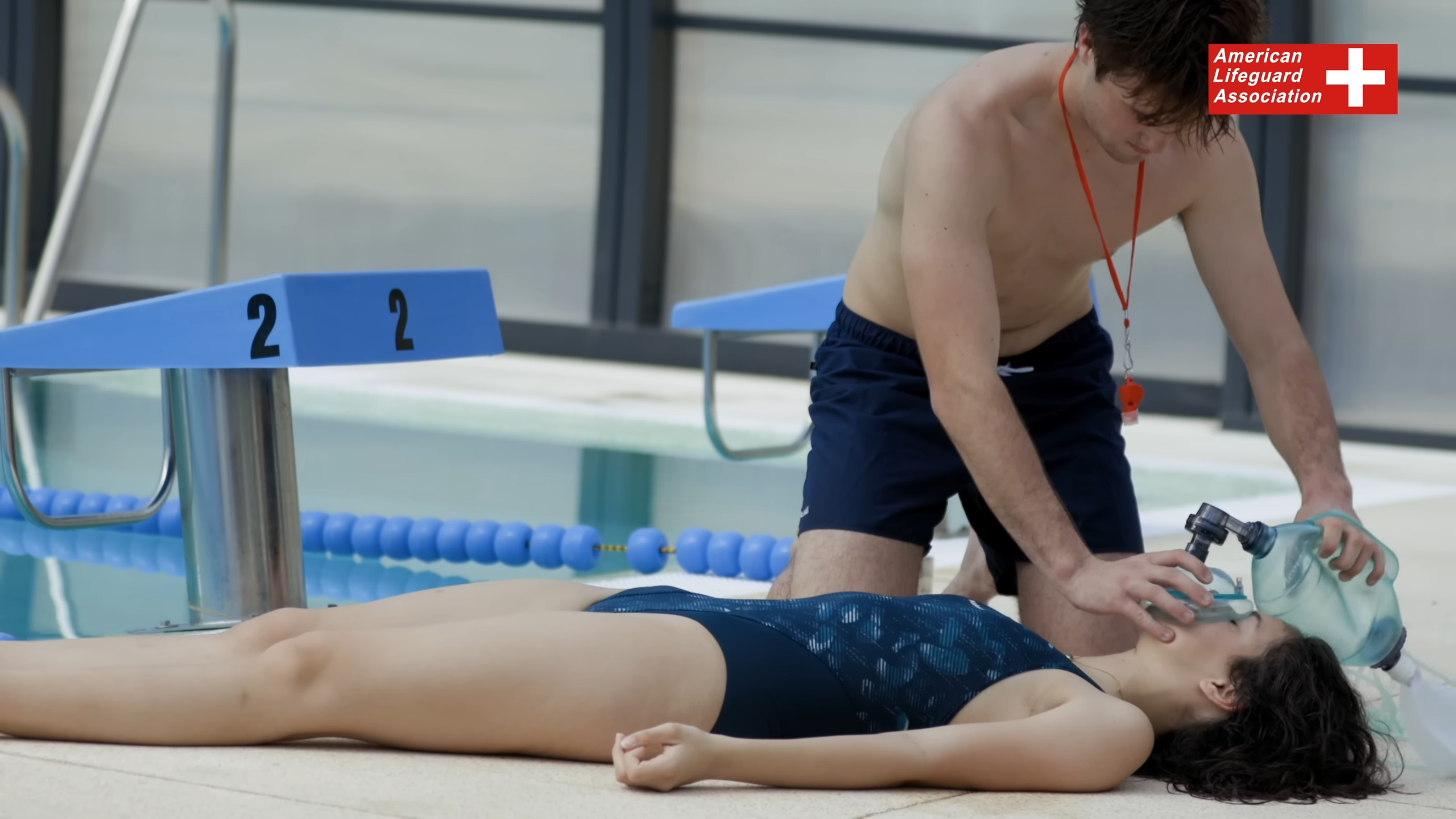
Lifeguard and Water Safety Training – ALA Company Overview and Complete Guide

November 27, 2025
Lifeguard and water safety training play an essential role in preventing water-related accidents and ensuring safe aquatic environments. ALA Company is committed to delivering high-quality lifeguard training programs that prepare individuals with the skills and confidence needed to respond effectively in emergencies.
About ALA Company
ALA Company is a leading provider of aquatic training and certification programs. Known for its practical, hands-on approach, ALA offers:
Professional lifeguard certification
Water safety instruction
CPR, AED, and First Aid training
Customized programs for pools, beaches, schools, and water parks
The company’s goal is to build strong, capable lifeguards who can prevent accidents, recognize hazards early, and respond quickly during emergencies.
Why Lifeguard Training Matters
Water environments—whether pools, beaches, or lakes—carry risks. Professional training ensures that lifeguards can:
Identify dangers before accidents occur
Maintain surveillance over swimmers
Perform rescue techniques safely
Administer immediate care during medical emergencies
Promote safe behavior among swimmers
Lifeguards are vital in creating a secure and enjoyable experience for the public.
Core Components of ALA Lifeguard Training
ALA Company designs its training to meet modern aquatic safety standards. Typical training includes:
1. Water Rescue Techniques
Trainees learn how to perform multiple rescue scenarios, including:
Surface rescues
Submerged victim rescues
Distressed and active drowning responses
Use of rescue equipment such as tubes, boards, and throw devices
2. CPR, AED, and First Aid
ALA emphasizes strong emergency care skills:
CPR for adults, children, and infants
Safe operation of AED devices
First aid for cuts, fractures, burns, and other injuries
Managing breathing emergencies and shock
3. Surveillance and Scanning Skills
Lifeguards are trained to:
Use effective zone scanning techniques
Identify early signs of distress
Follow observation patterns for crowded or high-risk areas
4. Spinal Injury Management
Courses cover:
In-water spinal immobilization
Backboard procedures
Safe team-based rescue coordination
5. Emergency Action Planning
Trainees learn:
How to activate emergency systems
How to work with team members during incidents
Clear communication with facility staff and EMS
6. Physical Fitness Requirements
ALA programs typically require:
Swimming tests
Timed swims
Treading water
Underwater retrieval tasks
This ensures that every certified lifeguard is capable and prepared.
Water Safety Training for the Public
ALA also provides water safety classes for non-lifeguards, including parents, teachers, and community members. These sessions cover:
Basic swimming safety
Recognizing signs of drowning
Safe diving and jumping practices
Proper use of life jackets
Safety rules for open-water environments
Such training helps reduce accidents and promotes a culture of safety.
Benefits of Lifeguard Training with ALA Company
For Employers
Reliable and skilled lifeguards
Improved safety standards
Reduced accident risk
For Lifeguards
Professional certification
Greater confidence in emergency response
Career opportunities in aquatic facilities
For Communities
Safer pools and beaches
Increased public awareness
Reduced drowning incidents
Choosing ALA Company for Your Training
ALA Company stands out for its:
Experienced and certified instructors
Updated training aligned with safety standards
Practical, scenario-based learning
Strong focus on prevention and rapid response
Flexible options for organizations and individuals
Whether for personal development or professional requirements, ALA provides the tools and training needed to ensure safety in all aquatic settings.
Conclusion
Lifeguard and water safety training are critical for preventing accidents and responding effectively when emergencies arise. ALA Company plays an important role in preparing individuals to become skilled, responsible lifeguards who can protect swimmers and create safer aquatic environments.




