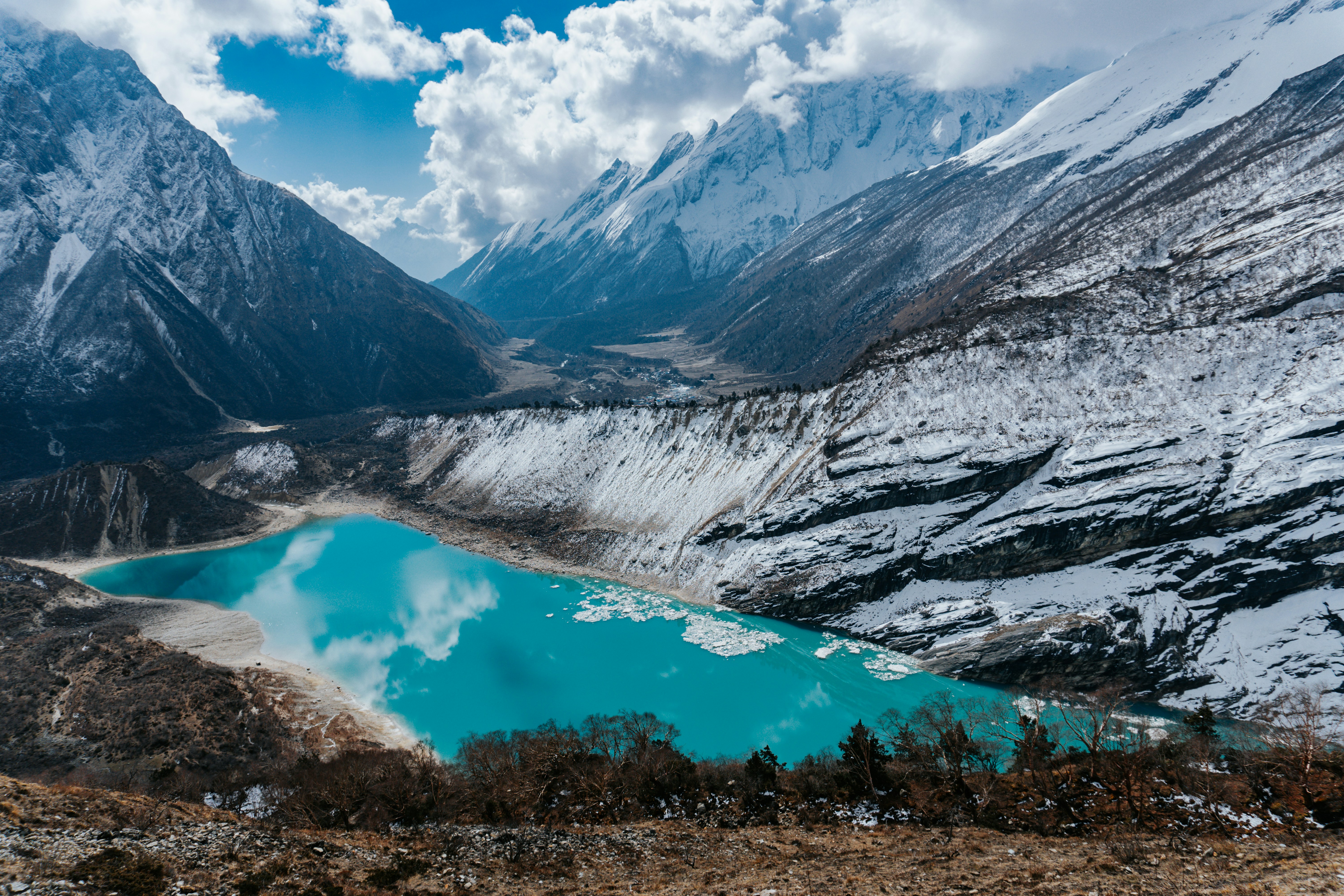

The Manaslu Circuit Trek is one of Nepal’s most breathtaking yet less-traveled trekking routes. Encircling Mount Manaslu, the eighth highest peak in the world at 8,163 meters, this trek offers a unique combination of high mountain adventure, rich cultural experiences, and remote Himalayan landscapes. For trekkers seeking solitude, authentic villages, and a challenging but rewarding route, the Manaslu Circuit Trail stands out as a top choice.
Overview of the Manaslu Circuit Trek
The Manaslu Circuit Trek typically spans 14 to 18 days, covering roughly 177 kilometers in a circular route. Starting from Soti Khola and ending at Dudhkunda or Arughat, the trek gradually ascends through subtropical forests, traditional villages, and high mountain passes. The Larkya La Pass, at 5,160 meters, is the highest point of the trek and the ultimate highlight for many trekkers. This trek is slightly off the beaten path compared to popular routes like the Annapurna or Everest Base Camp treks, which allows travelers to experience quieter trails and more intimate encounters with local culture.
Unique Attractions of the Manaslu Circuit Trek
Majestic Mountain Views
One of the biggest draws of the Manaslu Circuit Trek is its panoramic views. Mount Manaslu dominates the skyline, while surrounding peaks such as Himalchuli, Shringi Himal, and Ganesh Himal create a dramatic backdrop. Early morning and late afternoon walks offer particularly clear vistas, making photography and contemplation equally rewarding.
Larkya La Pass
The trek’s defining feature is the Larkya La Pass. At 5,160 meters, it provides a 360-degree view of the high Himalayas. The ascent is steep and requires careful acclimatization, but the summit reveals sweeping glaciers, jagged peaks, and deep valleys that are unmatched elsewhere in Nepal.
Cultural Immersion
The trail passes through Tibetan-influenced villages, where mani stones, prayer flags, and traditional monasteries are common. Villages such as Samagaon and Dharamsala offer insight into the lives of local communities who have preserved their culture for generations. Trekkers have the opportunity to taste local foods, observe traditional farming, and experience a lifestyle that feels distant from modern urban life.
Flora and Fauna
The trek moves through several ecological zones. Lower altitudes feature subtropical forests with bamboo, rhododendron, and orchids. As you ascend, you encounter alpine meadows, hardy shrubs, and rare Himalayan wildlife such as snow leopards, red pandas, and various pheasant species.
Trekking Itinerary Highlights
While itineraries can vary, a typical Manaslu Circuit Trek includes the following stages: Soti Khola to Machha Khola: Easy walking through river valleys and small settlements. Machha Khola to Jagat: Gradual ascent with glimpses of terraced fields and traditional homes. Jagat to Deng: The trail passes through bamboo forests and small villages. Deng to Namrung: Scenic walking along river gorges with increasing mountain views. Namrung to Samagaon: A cultural hub with monasteries and panoramic views of Manaslu. Samagaon to Larkya La Pass to Bimtang: The most challenging section, reaching the high pass before descending into the Marsyangdi valley. Each day typically involves 5–7 hours of walking, with altitude gain gradually increasing to allow proper acclimatization.
Practical Tips for Trekkers
Best Time to Trek
The ideal seasons for the Manaslu Circuit Trek are spring (March to May) and autumn (September to November). These months provide clear skies, stable weather, and optimal mountain visibility. Monsoon season is not recommended due to heavy rainfall and landslide risks.
Permits and Regulations
The trek requires a Restricted Area Permit (RAP) and a Manaslu Conservation Area Permit (MCAP). Trekkers must travel in groups of at least two with a registered guide. This ensures safety, environmental protection, and support for local communities.
Fitness and Preparation
The trek is moderately challenging, especially at high altitudes. Prior trekking experience is recommended. Trekkers should focus on cardiovascular fitness, leg strength, and endurance training. Proper acclimatization, layered clothing, and trekking poles are essential.
Accommodation and Food
Tea houses and lodges are available along the route, providing basic rooms and traditional meals. The food is simple but filling, including dal bhat (lentils and rice), noodles, soups, and local vegetables.
Responsible Trekking
Trekkers should respect local customs, avoid littering, and use environmentally friendly products. Supporting local businesses and guides ensures that the benefits of tourism reach the communities.
Why Choose the Manaslu Circuit Trek
The Manaslu Circuit Trek offers a combination of adventure, cultural richness, and natural beauty. Unlike busier trails, it allows travelers to experience Nepal’s high mountains in a quieter, more authentic way. Crossing the Larkya La Pass is a personal achievement for many trekkers, while the villages and monasteries along the trail provide deep insight into Himalayan life. For trekkers seeking a journey that balances challenge with reward, scenery with culture, and solitude with discovery, the Manaslu Circuit Trek provides an unforgettable Himalayan experience.
Conclusion
The Manaslu Circuit Trek is more than a trekking route, it is an opportunity to explore Nepal’s hidden landscapes and connect with its people and traditions. From lush forests to alpine valleys and high mountain passes, the trail offers an unmatched diversity of experiences. Careful preparation, respect for local culture, and mindful trekking can turn this journey into a lifetime memory. For those looking to go beyond the popular trekking circuits, the Manaslu Circuit Trek presents a rare chance to experience the Himalayas in their most pristine and captivating form.




