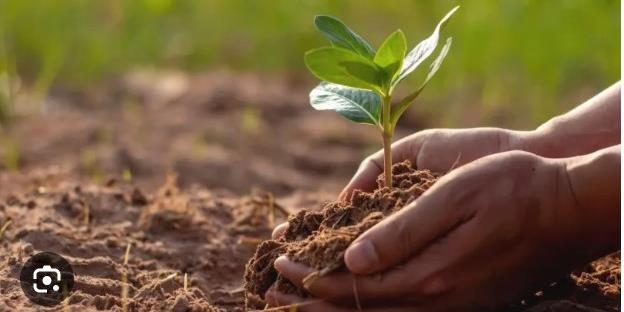
Natural Solutions for Boosting Soil Fertility

December 24, 2025
Introduction
Maintaining soil fertility is a critical component of modern agriculture. Over-reliance on synthetic fertilizers has raised concerns about long-term soil health, environmental sustainability, and crop quality. Natural fertilizers, sourced from organic origins, offer a promising alternative for farmers seeking both productivity and ecological balance. Among these, seabird guano stands out due to its nutrient richness and long history of agricultural use.
Understanding how seabird guano is sourced, processed, and applied can help farmers optimize their crop production while supporting sustainable farming practices.
Understanding Seabird Guano
Seabird guano is the accumulated droppings of coastal and marine birds that roost on islands or cliffs. Over time, these deposits develop into nutrient-rich layers, providing an organic source of nitrogen, phosphorus, and potassium. These nutrients are essential for healthy plant growth, root development, and improved crop yields.
Historical Context
Seabird guano has been valued for centuries. In the 19th century, it became a major global commodity, fueling agricultural productivity in many parts of the world. Farmers quickly recognized its effectiveness in promoting soil fertility and improving crop performance.
Nutritional Composition
The primary advantage of seabird guano is its balanced nutrient profile. Nitrogen supports vegetative growth, phosphorus encourages strong root systems, and potassium enhances flower and fruit development. Additionally, seabird guano contains trace minerals that contribute to overall soil health and plant resilience.
Extraction and Processing
Obtaining seabird guano requires careful attention to both environmental and quality considerations.
Site Selection
The best sources of seabird guano are islands and coastal cliffs with dense bird populations. Experts assess the quality of deposits through nutrient analysis and estimate sustainable extraction levels to prevent ecological disruption.
Collection Techniques
Guano extraction may be manual or mechanized, depending on the deposit location and depth. In areas where seabirds are actively nesting, care is taken to avoid disturbing the habitat. Layers of guano are removed systematically to ensure ongoing regeneration of deposits.
Safety and Hygiene
Workers involved in guano collection must take seabird guano precautions to minimize health risks, such as exposure to pathogens or airborne particles. Personal protective equipment, proper ventilation, and strict hygiene protocols are essential.
Benefits of Using Seabird Guano in Agriculture
Soil Enrichment
Seabird guano improves soil structure by increasing organic matter content, enhancing aeration, and improving water retention. These effects create an optimal environment for root growth and nutrient absorption.
Sustainable Nutrient Supply
Unlike some chemical fertilizers, seabird guano releases nutrients gradually, offering a steady supply of essential elements throughout the crop’s growing season. This slow-release property reduces the risk of nutrient leaching and supports long-term soil fertility.
Microbial Stimulation
The organic compounds present in seabird guano encourage the growth of beneficial soil microorganisms. These microbes play a vital role in decomposing organic matter, fixing nitrogen, and enhancing nutrient availability for plants.
Environmental Advantages
Seabird guano is a natural fertilizer, reducing dependency on synthetic alternatives. Its use promotes sustainable farming practices, minimizes environmental pollution, and supports organic agricultural production.
Application Methods
Soil Incorporation
Integrating seabird guano into the soil before planting ensures nutrients are distributed evenly and absorbed efficiently. This method is ideal for annual crops and plants with extensive root systems.
Top Dressing
For existing crops, top dressing allows nutrients to be absorbed gradually through the soil surface. This method is particularly useful for orchards, vineyards, and other perennial crops.
Composting
Seabird guano can be combined with other organic materials to produce high-quality compost. This enriches the soil with nutrients and organic matter while improving moisture retention and microbial activity.
Economic Considerations
Cost Efficiency
While seabird guano may involve higher initial costs than some synthetic fertilizers, its long-term benefits often justify the investment. Improved soil fertility, enhanced yields, and reduced chemical dependency make it a cost-effective choice.
Sustainable Harvesting
Sourcing seabird guano responsibly ensures that bird populations and their habitats are preserved. Practices such as rotational harvesting and habitat monitoring maintain ecological balance while allowing continued agricultural use.
Reduced Chemical Use
Using seabird guano helps decrease the reliance on synthetic fertilizers, which can cause soil degradation and water contamination. It supports eco-friendly farming and contributes to healthier ecosystems.
Best Practices for Application
To maximize the benefits of seabird guano, farmers should follow these guidelines:
- Conduct soil testing to determine nutrient requirements before application
- Apply guano at recommended rates to prevent nutrient overload
- Incorporate guano into the soil to minimize nutrient loss from runoff
- Combine with other organic amendments for balanced nutrition
- Monitor crop response and adjust application accordingly
Conclusion
Seabird guano represents an effective and sustainable approach to enhancing soil fertility. Its natural nutrient richness, slow-release properties, and ability to stimulate beneficial soil microorganisms make it an ideal choice for modern agriculture.
By incorporating seabird guano into farming practices, producers can improve crop yields, support long-term soil health, and reduce reliance on synthetic fertilizers. Adopting such organic solutions ensures productive, sustainable, and environmentally responsible agriculture.




