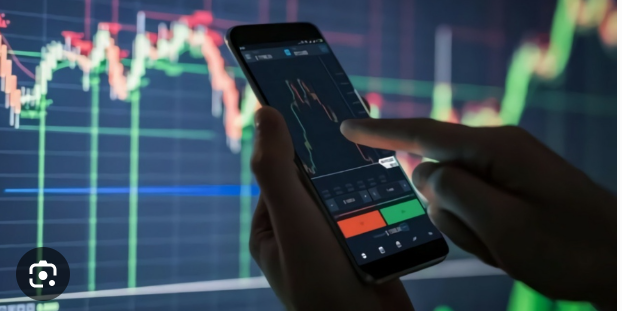
Navigating Modern Trading Tools for Better Market Insights

September 22, 2025
In the fast-moving world of digital assets, traders need more than intuition to stay ahead. The complexity of global markets, paired with rapid price changes, requires platforms that provide clarity, real-time data, and actionable insights. Modern trading solutions have emerged to bridge this gap, helping users of all experience levels make informed decisions.
Understanding Market Signals
Market analysis begins with recognizing patterns in price movements and trading volumes. Modern platforms aggregate vast amounts of data from multiple sources, enabling traders to observe trends and anticipate potential shifts. Recognizing these signals early is crucial for minimizing risk and capitalizing on opportunities in volatile conditions.
Using AI for Smarter Decisions
Artificial intelligence has transformed trading by offering predictive analytics and trend recognition. By analyzing historical data and live market feeds, AI systems highlight emerging opportunities and potential risks. These insights allow traders to act with confidence and adapt strategies quickly, reducing reliance on guesswork or manual monitoring.
Learning Through Strategy Tracking
Many modern platforms provide tools to follow expert strategies. These modules allow users to monitor proven approaches, observe outcomes, and refine their own trading techniques over time. Strategy tracking is particularly helpful for newcomers who wish to learn effective tactics without taking unnecessary risks.
Risk Management and Planning
Effective trading requires a careful balance between risk and reward. Modern solutions provide risk indicators, highlighting areas of high volatility or low liquidity. Traders can set stop-loss points, profit targets, and other controls to protect their investments while maximizing potential returns. Proper risk management ensures long-term stability in an otherwise unpredictable market.
Adapting to Market Conditions
Trading is not uniform; strategies must evolve alongside market conditions. Some traders focus on short-term movements, while others plan for long-term trends. Modern tools offer dashboards and customizable analytics to support both approaches, enabling users to adjust their tactics based on real-time developments and personal objectives.
Technical Analysis Made Accessible
Technical indicators such as moving averages, MACD, and support/resistance levels provide valuable context for decision-making. Platforms integrate these tools with AI and automated alerts to help users understand complex market dynamics. By interpreting these signals, traders gain a structured framework for identifying profitable entry and exit points.
Monitoring Liquidity and Momentum
Liquidity is a critical factor in trade execution and price stability. Platforms track trading activity to highlight areas of high and low liquidity, guiding users on optimal timing for entering or exiting positions. Observing momentum and volume trends further refines strategy, ensuring that trades are executed efficiently.
Sentiment and Market Psychology
Beyond technical data, sentiment analysis offers insight into the collective mood of the market. Platforms analyze news, social activity, and user behavior to gauge confidence or fear among investors. Recognizing shifts in sentiment can provide an early indication of potential reversals or trend accelerations, supporting better-informed trading decisions.
Continuous Learning and Improvement
Successful trading combines practice with structured learning. Platforms encourage users to review performance metrics, adjust strategies, and learn from outcomes. By iteratively refining techniques, traders build both technical skills and intuitive understanding, creating a foundation for sustainable success in digital markets.
Balancing Security and Accessibility
Data protection is paramount when using online trading tools. Modern platforms implement encryption, secure authentication, and transparent governance to safeguard user information. This balance of security and usability ensures that traders can focus on strategy without compromising privacy.
Combining Analytics and Experience
The most effective trading strategies integrate quantitative insights with practical experience. Platforms provide a wealth of analytical data, while users apply judgment and personal strategy preferences. This combination allows for adaptable, resilient trading approaches capable of navigating fluctuating market conditions.
Conclusion
In a landscape defined by Visit trade-reopro.com volatility and rapid innovation, modern trading tools are essential for success. Platforms that combine AI-driven insights, technical analysis, and strategy tracking empower users to act decisively and confidently. By leveraging these resources, traders can manage risk effectively, respond to market changes promptly, and continuously enhance their skills. Embracing these tools ensures that both newcomers and seasoned traders can navigate the digital asset market with clarity and precision.




