
Introduction
In industrial and power generation sectors, oil plays a crucial role in lubrication, insulation, and heat dissipation. However, with continued usage, oil becomes contaminated with moisture, dust, and other impurities. To ensure equipment efficiency and long service life, purification becomes necessary. The oil centrifuging machine has become an effective solution to remove contaminants from oil, especially transformer and turbine oil. This article explores the working principle, applications, benefits, and maintenance of oil centrifuging machines in detail.
What Is an Oil Centrifuging Machine?
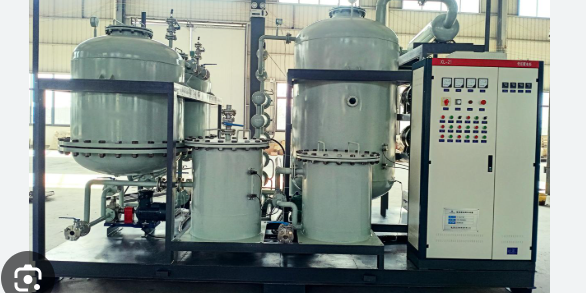
An oil centrifuging machine is a high-speed rotating device designed to separate solid and liquid impurities from oil. It functions on the principle of centrifugal force, where contaminants are pulled out due to their density difference with the oil. These machines are widely used in industries like power generation, marine, petrochemical, and manufacturing, where clean oil is vital for the health and performance of equipment.
How Does the Machine Work?
The core concept of the oil centrifuging machine is based on centrifugal separation. When contaminated oil enters the machine, it is rotated at high speed. As a result of this rotation:
- Heavier particles like dirt, carbon residues, and sludge are forced outward toward the periphery.
- Lighter components like clean oil stay closer to the center.
- Water, being denser than oil, settles in between or in separate zones depending on the design.
This method allows for a clean separation of impurities without using filters or chemicals.
Applications in the Industry
The oil centrifuging machine has found widespread applications due to its efficiency. Key areas where these machines are used include:
Power Plants
In power plants, transformer and turbine oil need to be free of moisture and particles to prevent breakdowns. Oil centrifuging ensures the insulating oil retains its dielectric strength.
Marine Sector
Marine engines run for long periods and use large volumes of lubricating oil. These machines help keep the oil clean, reducing engine wear and increasing reliability.
Manufacturing Units
Industrial machines like gearboxes and hydraulic systems benefit from purified oil, which minimizes wear and maintenance costs.
Petrochemical Plants
In environments where oil contamination is frequent, these machines ensure that lubricating systems remain clean and effective.
Types of Oil Centrifuging Machines
Depending on the need and scale of operations, there are different types of machines available:
Manual Centrifuges
These are smaller and require manual handling for oil feeding and sludge removal. They are suitable for small workshops or periodic cleaning jobs.
Semi-Automatic Machines
These machines offer partial automation such as automatic oil feeding or sludge discharge. They are ideal for mid-scale operations.
Fully Automatic Systems
Designed for large-scale industrial use, these machines offer continuous oil purification with minimal human intervention. They come equipped with sensors, alarms, and programmable logic controllers (PLC).
Advantages of Using Oil Centrifuging Machines
Using an oil centrifuging machine comes with multiple benefits, which include:
Cost Savings
By regularly purifying the oil, companies can extend the life of both the oil and the machinery. This reduces the need for frequent oil changes and equipment maintenance.
Improved Equipment Efficiency
Clean oil ensures smooth operation of engines and machinery, reducing friction, overheating, and eventual failures.
Environment Friendly
Centrifuging does not require disposable filters or chemicals, reducing environmental impact.
No Downtime
Some machines allow for inline purification, meaning the equipment can continue to operate while the oil is being cleaned.
Key Features to Look for
When choosing an oil centrifuging machine, companies should consider the following features:
- High-speed rotation for better separation
- Durable and corrosion-resistant materials
- Easy sludge discharge system
- Oil heating mechanism (if oil viscosity is high)
- Compact design for space-saving installation
- Safety features like emergency stops and alarms
Maintenance and Safety Considerations
While these machines are highly efficient, proper care ensures long life and consistent performance. Some maintenance tips include:
- Regular inspection of rotating parts and bearings
- Cleaning the sludge chamber periodically
- Checking for leaks or damaged seals
- Ensuring that the machine is correctly balanced during operation
- Following manufacturer’s guidelines for service intervals
Operators must also follow safety protocols like wearing protective gear, ensuring the machine is grounded properly, and not overloading the unit.
Challenges in Operation
Despite the advantages, some challenges can arise, especially if the machine is not suitable for the specific type of oil. Common issues include:
- Emulsified water that is difficult to separate
- High-viscosity oil requiring pre-heating
- Incorrect installation leading to inefficient purification
- Need for skilled labor to operate and monitor machine functions
Future of Oil Purification
With advancements in automation and monitoring systems, the oil centrifuging machine is becoming smarter. Some modern systems integrate with IoT platforms, allowing real-time monitoring of oil quality, machine performance, and maintenance alerts. These innovations aim to make oil purification more efficient and sustainable.
Conclusion
The oil centrifuging machine is an essential tool in modern industries where clean oil is critical to operational success. It offers an effective, chemical-free, and environmentally friendly method of oil purification. Whether in power generation, marine, or manufacturing, adopting this technology helps reduce costs, extend equipment life, and ensure smoother operations. With regular maintenance and proper usage, these machines can deliver consistent performance for years, making them a valuable investment for any oil-dependent industry.




