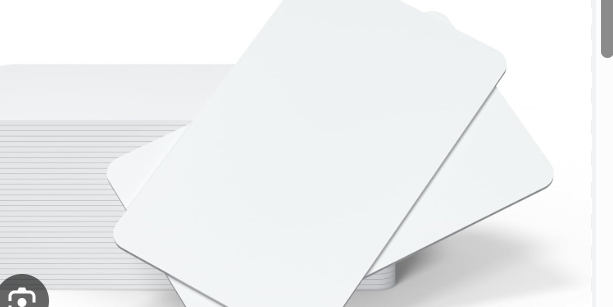
Plain PVC cards are essentially unprinted plastic cards crafted from polyvinyl chloride

May 08, 2025
Plain PVC cards are essentially unprinted plastic cards crafted from polyvinyl chloride, a versatile material known for its durability and flexibility. These cards serve a multitude of purposes across various sectors, making them a staple in both personal and professional environments. Their inherent strength and resistance to wear and tear make them ideal for applications that require frequent handling, ensuring longevity and reliability in their use.
One of the most common applications of plain PVC cards is in the production of identification cards. These ID cards are crucial for verifying the identity of individuals in numerous settings, such as workplaces, educational institutions, and government facilities. Additionally, access cards, which often utilize the same PVC material, are designed to grant or restrict entry to secure areas, enhancing security measures in buildings and facilities. The adaptability of PVC allows for the incorporation of various technologies, such as magnetic stripes or embedded chips, which further enhance the functionality of these cards.
Moreover, plain PVC cards are widely utilized in the realm of customer engagement through membership or loyalty programs. Businesses leverage these cards to foster customer loyalty by providing incentives and rewards, thereby encouraging repeat patronage. Furthermore, when equipped with advanced features like chips or magnetic stripes, these cards can also serve as bank cards, facilitating secure transactions and access to financial services. The versatility of plain PVC cards makes them an essential tool in modern commerce and security, reflecting their importance in everyday life.
Key Features of Plain PVC Cards:
Plain PVC cards are crafted from high-quality, durable PVC plastic, ensuring longevity and resilience in various applications. This material is not only smooth to the touch but also resistant to wear and tear, making it an ideal choice for items that require frequent handling, such as identification cards, membership cards, and access control badges. The robust nature of PVC allows these cards to maintain their appearance and functionality over time, even in challenging environments.
- Material Composition: Crafted from high-quality PVC plastic, these cards are designed for durability and a smooth finish, ensuring they withstand daily wear and tear while maintaining a professional appearance.
- Standard Dimensions: Each card adheres to the standard credit card size, specifically CR80, measuring 85.60 mm in length and 53.98 mm in width, making them compatible with most card readers and holders.
- Thickness Specification: Typically, these cards have a thickness of 30 mil (0.76 mm), providing a sturdy feel that enhances their longevity and usability in various applications.
- Surface Finish Options: Available in both glossy and matte finishes, these cards are suitable for various printing techniques, including thermal and dye-sublimation printing, allowing for vibrant and high-quality designs.
- Customization Capabilities: These cards can be personalized on both sides and can be equipped with advanced features such as magnetic stripes, RFID chips, or barcodes, enabling a wide range of applications from identification to access control.
How to make secure badge printing with PVC cards
Secure printing of PVC cards incorporates a variety of features and processes designed to safeguard the cards against counterfeiting, unauthorized duplication, and tampering. This enhanced security is achieved through the integration of advanced technologies and materials that make it increasingly difficult for malicious actors to replicate or alter the cards. For instance, the use of holograms, microtext, and UV printing can create intricate designs that are challenging to reproduce without specialized equipment. Additionally, incorporating unique identifiers such as barcodes or RFID chips allows for better tracking and verification of the cards, further bolstering their security.
Moreover, the printing process itself plays a crucial role in ensuring the integrity of PVC cards. High-quality printers equipped with secure software can produce cards with precise specifications, minimizing the risk of errors that could be exploited. Furthermore, implementing strict access controls and monitoring during the production process helps prevent unauthorized personnel from tampering with the cards. By combining these technological advancements with rigorous operational protocols, organizations can significantly enhance the security of their PVC card printing, ensuring that the cards remain reliable and trustworthy for their intended purposes.
Common Secure Printing Features
- **Holograms**: These are either pre-printed or custom-designed overlays that serve as a deterrent against forgery. Holograms are commonly found on government-issued identification cards and licenses, adding an extra layer of security. –
**Microtext or Microprinting**: This feature involves the use of extremely small text that can only be read with magnification. Its minuscule size makes it challenging to replicate using standard printing methods, enhancing the card's security. –
**UV Printing**: Utilizing invisible ink that becomes visible only under ultraviolet light, UV printing is employed to embed concealed data or logos within the card. This technique adds a hidden dimension of security that is not easily detectable by the naked eye. –
**Guilloche Patterns**: These intricate, fine-line designs are printed on the background of the card, making them difficult to reproduce accurately. The complexity of guilloche patterns serves as a visual deterrent against counterfeiting. –
**Embedded Technologies**: This category includes various features such as magnetic stripes, which store limited data and are often used in access and payment cards; smart chips (both contact and contactless) that facilitate secure authentication and encryption; and RFID/NFC chips that allow for contactless communication with secure encryption options.
How to use PVC cards with RFID to secure your premises
To effectively utilize PVC cards embedded with RFID technology for secure access or identification, it is essential to have the appropriate blend of hardware, software, and robust security measures in place. Start by selecting high-quality RFID readers and writers that are compatible with your PVC cards. Additionally, invest in reliable software that can manage the data associated with these cards, ensuring that it supports encryption and secure data transmission. It’s also crucial to implement strong security practices, such as regular software updates, access control protocols, and user training to minimize the risk of unauthorized access or data breaches.
Once you have established the necessary hardware and software, the next step is to create a secure environment for the deployment of your RFID system. This involves setting up a secure database to store user information and access logs, as well as employing encryption techniques to protect sensitive data. Regular audits and monitoring of the system can help identify any vulnerabilities or suspicious activities. By following these guidelines, you can ensure that your use of PVC cards with RFID technology is not only efficient but also secure, providing peace of mind for both users and administrators alike.
Choose the Right RFID PVC Cards: When selecting RFID PVC cards, it's essential to consider both your security needs and the operational range required for your specific application. For instance, low-frequency (LF) cards operating at 125 kHz are suitable for basic access control systems and are typically limited to short-range interactions, making them ideal for environments where security is not a primary concern. On the other hand, high-frequency (HF) cards, which function at 13.56 MHz, offer a medium level of security and are commonly used in NFC applications, MIFARE systems, and various access control setups. These cards strike a balance between functionality and security, catering to a wider range of applications.
For scenarios that demand longer-range capabilities, ultra-high frequency (UHF) cards, operating between 860 and 960 MHz, provide a medium level of security while excelling in inventory management and tracking applications. If your project requires advanced security features, consider the MIFARE DESFire EV1, EV2, or EV3 cards, which also operate at 13.56 MHz but come equipped with robust AES encryption, ensuring a high level of data protection. By carefully evaluating these options based on your specific requirements, you can choose the most suitable RFID PVC card that aligns with your security and operational needs.
Print and Encode the Cards Securely: To ensure the secure printing and encoding of cards, it is essential to utilize an RFID-enabled card printer that possesses encoding capabilities, such as models from HID Fargo or Zebra. These printers are specifically designed to handle the complexities of RFID technology, allowing for the seamless integration of various security features. By choosing the right equipment, you can enhance the overall security of the cards, making them more resistant to unauthorized access and duplication.
When encoding the RFID chip, it is crucial to incorporate unique identifiers (UIDs) that distinguish each card from the others. Additionally, embedding encrypted data ensures that sensitive information remains protected from potential breaches. Access keys or secure hashes can further bolster security, providing an extra layer of protection against unauthorized use. This combination of features not only enhances the card's functionality but also instils confidence in users regarding the safety of their information.
In addition to the technical aspects of encoding, the visual elements printed on the card play a significant role in its security. Including a photo ID helps to verify the identity of the cardholder, while a hologram overlay adds a sophisticated touch that is difficult to replicate. Furthermore, incorporating microtext or UV printing serves as an effective anti-counterfeiting measure, making it challenging for counterfeiters to produce convincing replicas. By combining these elements, you create a card that is not only secure but also visually appealing and difficult to forge.
Implement Secure Access Control
To ensure robust security in your access control system, it is essential to implement features that leverage RFID technology effectively. A system that incorporates advanced encryption methods, such as AES or 3DES, will safeguard communication between the access cards and readers. This encryption not only protects sensitive data from potential interception but also enhances the overall integrity of the access control process. By utilizing these encryption standards, you can create a secure environment that minimizes the risk of unauthorized access.
Another critical aspect of a secure access control system is mutual authentication, which verifies the identity of both the card and the reader before granting access. This two-way verification process significantly reduces the chances of fraudulent access attempts, as it ensures that only legitimate cards can interact with the reader. Additionally, implementing a blacklist and whitelist management system is vital for maintaining control over access privileges. This feature allows you to promptly disable any lost or stolen cards, thereby preventing unauthorized individuals from gaining entry to secure areas.
Logging and auditing card activity is also an indispensable component of a comprehensive access control strategy. By keeping detailed records of who accessed which areas and when, you can monitor usage patterns and identify any suspicious behaviour. This not only aids in immediate security responses but also provides valuable insights for future security enhancements. Systems from reputable providers like HID Global, Suprema, or Paxton are designed to support these advanced RFID security features, ensuring that your access control measures are both effective and reliable.
Conclusion
When it comes to high-quality PVC cards, CARDLINE stands out as the premier supplier in Dubai, offering a range of secure and durable printing solutions tailored for various needs. Whether you require identification cards, event badges, or employee access cards, CARDLINE ensures that each product is crafted with precision and reliability. Their expertise in producing prox cards guarantees that your organization can maintain a seamless and secure identification process, enhancing both safety and efficiency at events or within the workplace. With a commitment to excellence and customer satisfaction, CARDLINE is your go-to partner for all your PVC card needs in Dubai.




