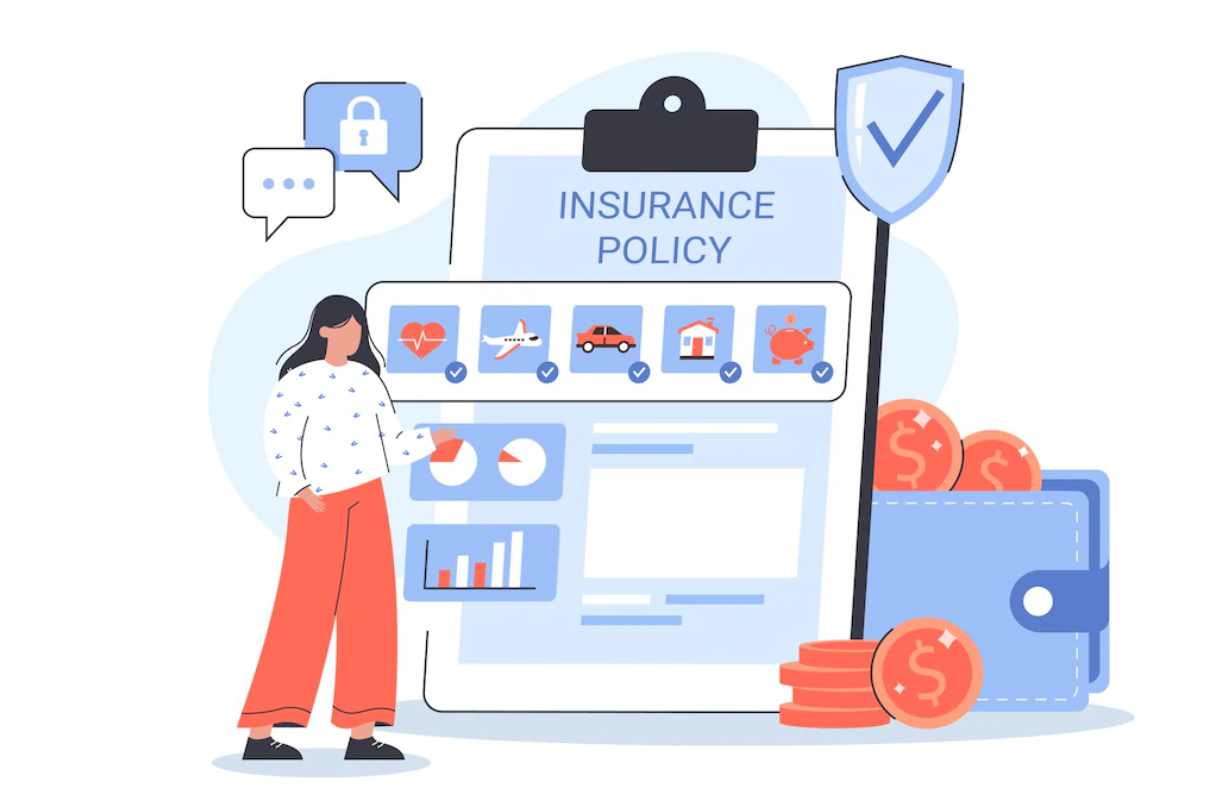

In today’s fast-paced insurance environment, accuracy and compliance are non-negotiable. Insurers and brokers must process large volumes of policies while ensuring every document meets regulatory standards, underwriting rules, and customer expectations. This is where policy checking services play a critical role. By combining automation, artificial intelligence, and workflow optimization, these services help insurance organizations reduce errors, improve turnaround time, and maintain consistent policy quality.
As insurance products become more complex and regulations continue to evolve, relying on manual reviews is no longer efficient. Modern policy checking solutions are designed to meet today’s operational demands with precision and scalability.
Understanding Policy Checking in Insurance
At its core, policy checking involves reviewing insurance documents to verify accuracy, completeness, and compliance. This includes validating policy terms, endorsements, exclusions, premiums, and regulatory disclosures. Traditional manual reviews are time-consuming and prone to human error, especially when handling high policy volumes.
Modern insurance policy checking services use technology-driven processes to streamline these reviews, ensuring policies are issued correctly and consistently. This approach not only improves accuracy but also enhances customer trust and operational efficiency.
Why Policy Checking Services Are Essential Today
Insurance organizations operate under strict compliance requirements. Even small documentation errors can lead to disputes, regulatory penalties, or reputational damage. Professional policy checking services help insurers and brokers mitigate these risks by standardizing reviews and identifying issues early in the policy lifecycle.
Additionally, customers now expect faster policy issuance and error-free documentation. A reliable insurance policy checking service ensures policies are reviewed and approved quickly without compromising quality.
The Role of Automation in Policy Checking
Automation has become a game-changer in insurance operations. With policy checking automation, insurers can replace repetitive manual checks with rule-based systems that validate policies instantly. These systems scan documents, compare them against predefined rules, and flag inconsistencies automatically.
For organizations exploring how to automate insurance policy checking, the process typically involves integrating AI-powered tools with existing policy administration systems. This allows real-time validation during policy creation rather than post-issuance corrections.
How AI Enhances Policy Checking Accuracy
Artificial intelligence brings intelligence and adaptability to policy review processes. Through policy checking ai, systems can understand unstructured data, interpret policy language, and detect subtle discrepancies that rule-based automation may miss.
AI-powered solutions learn from historical data, improving accuracy over time. This enables insurers to handle complex policies, endorsements, and regulatory variations more effectively while reducing dependency on manual reviews.
From Policy Review to Automated Issuance
Efficient policy checking directly supports faster issuance. When policies are validated in real time, insurers can move confidently toward automated policy issuance, eliminating delays caused by rework or corrections.
This seamless flow from validation to issuance improves customer satisfaction and reduces operational bottlenecks. It also allows insurers to scale operations without proportionally increasing staff.
Streamlining Insurance Agency Operations
Policy checking automation benefits not only insurers but also agencies. With automated check processing for insurance agencies, teams can process higher volumes of policies while maintaining consistent quality standards.https://www.exdioninsurance.com/blog/policy-checking-automation-a-boon-for-insurance-agencies-and-brokers/
Automation reduces backlogs, minimizes rejections, and allows staff to focus on advisory and customer-facing roles rather than repetitive administrative tasks. This operational efficiency directly impacts profitability and service quality.
Real-World Use Cases of Policy Checking Automation
There are several practical insurance policy checking automation use cases across the insurance value chain. These include pre-issuance policy validation, endorsement reviews, renewal checks, compliance audits, and post-binding quality assurance.
In each scenario, automation ensures policies align with underwriting guidelines, regulatory frameworks, and internal standards—reducing risk and improving consistency across all policy documents.
Automated Policy Checking for Insurance at Scale
As insurance businesses grow, scalability becomes a major concern. Automated policy checking for insurance enables organizations to handle growth without compromising accuracy or compliance.
These systems can process thousands of policies simultaneously, apply consistent validation rules, and generate audit trails for regulatory reporting. This scalability is especially valuable for insurers operating across multiple regions with varying compliance requirements.
The Future of Policy Checking Services
The future of policy checking lies in deeper AI integration, predictive validation, and real-time compliance monitoring. As technology advances, policy checking systems will not only identify errors but also prevent them by guiding users during policy creation.
This proactive approach will further reduce rework, improve turnaround times, and strengthen trust between insurers, brokers, and policyholders.
Conclusion
Policy checking services have evolved from manual reviews into intelligent, automated systems that support accuracy, compliance, and operational efficiency. By adopting automation and AI-driven validation, insurance organizations can reduce errors, accelerate policy issuance, and confidently meet regulatory requirements.




