Precision Healthcare with Medical CNC Machining

July 20, 2025
In the rapidly advancing field of healthcare technology, precision, consistency, and customization are more important than ever. The demand for high-performance components in the medical industry has led to the adoption of advanced manufacturing processes. Among these, medical CNC machining stands out as a vital technique that delivers accurate, repeatable, and complex parts used in life-saving applications.
This article explores the crucial role that medical CNC machining plays in today’s healthcare industry, including its advantages, materials, applications, and future developments.
Understanding Medical CNC Machining
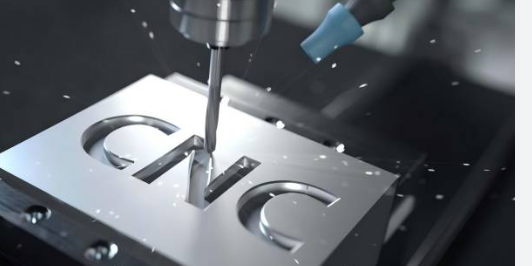
Medical CNC machining refers to the use of computer-controlled medical CNC machining machines to create medical components from metals, plastics, and composites. CNC stands for Computer Numerical Control, a method where software guides tools such as mills, lathes, and grinders to produce extremely precise parts.
Unlike traditional manual machining, CNC processes are highly automated, resulting in consistent quality even across large production runs. For the medical industry, where even a tiny error can compromise safety, this level of precision is not optional—it’s essential.
Applications of CNC Machining in the Medical Industry
The use of medical CNC machining spans a wide range of applications, each critical to modern medicine:
1. Surgical Tools
Surgical tools like scissors, clamps, and scalpels require tight tolerances and smooth finishes to function effectively and maintain sterility. CNC machining is ideal for producing these tools to exact specifications.
2. Implants and Prosthetics
Hip joints, spinal rods, and dental implants must match the human anatomy perfectly. CNC machines can produce custom implants that offer both structural integrity and biocompatibility.
3. Diagnostic Equipment Components
Precision components inside MRI machines, CT scanners, and laboratory analyzers are often made through CNC machining. These parts must maintain exact dimensions to ensure accurate diagnostic results.
4. Micro-Machining
With the trend toward minimally invasive surgery and wearable health devices, there’s increasing demand for micro-scale parts. CNC machines are capable of machining components as small as a grain of rice.
Materials Used in Medical CNC Machining
Materials used in medical applications must meet specific criteria: biocompatibility, sterilizability, and strength. Common materials machined using CNC techniques include:
- Titanium: Known for its strength and compatibility with human tissue, it is used in implants and surgical tools.
- Stainless Steel (316L): Corrosion-resistant and durable, ideal for surgical instruments.
- PEEK (Polyether Ether Ketone): A high-performance polymer used in implants and diagnostic devices.
- Aluminum: Lightweight and easily machined, often used in external device components.
- Medical-Grade Plastics: Used for disposable or non-invasive components, offering lightweight and cost-effective solutions.
CNC machines can adapt to different material types by changing tool settings, speeds, and cutting strategies.
Benefits of Medical CNC Machining
CNC machining offers a range of benefits that make it the preferred choice in medical manufacturing:
✔ Superior Precision
Tolerances as tight as ±0.001 mm ensure that medical parts fit together and function exactly as intended.
✔ High Repeatability
Once a part is programmed, it can be replicated hundreds or thousands of times with consistent results—critical for mass production of standardized devices.
✔ Fast Prototyping
Medical device development often involves prototyping for testing and approvals. CNC machining allows rapid iteration and modification of designs.
✔ Customization
From patient-specific implants to ergonomic instrument designs, CNC machining allows for easy customization without major cost increases.
✔ Clean Finishes
Surfaces produced through CNC machining are smooth and clean, reducing the risk of contamination and making sterilization easier.
Regulatory Requirements and Compliance
The medical industry is tightly regulated, and CNC machining providers must adhere to stringent standards. These include:
- ISO 13485: Quality management system standard specific to medical devices.
- FDA Guidelines: In the United States, medical devices must meet FDA criteria before reaching the market.
- EU MDR: The European Medical Device Regulation mandates traceability, biocompatibility, and safety standards.
Medical CNC machining providers often use quality control measures like coordinate measuring machines (CMM), statistical process control (SPC), and automated inspection systems to ensure compliance.
Cleanroom Machining and Contamination Control
Many medical components are produced in cleanroom environments to minimize the risk of contamination. Cleanrooms are controlled spaces with regulated levels of dust, airborne microbes, and other particles.
CNC machining systems operating in such environments are specially designed with enclosed systems, particle filters, and regular maintenance routines. This ensures that parts like implants and surgical tools remain sterile-ready and safe for human use.
Technological Innovations in Medical CNC Machining
The field of medical CNC machining is continuously evolving, with several exciting developments driving its future:
➤ AI and Predictive Analytics
AI algorithms are now being used to predict tool wear and part failure. This allows machines to self-correct in real-time, improving efficiency and reducing scrap.
➤ 5-Axis CNC Machining
Compared to traditional 3-axis systems, 5-axis CNC machines offer greater flexibility and efficiency. They can produce more complex geometries in a single setup, saving time and reducing error.
➤ Robotic Integration
Automation is playing a larger role in CNC machining, with robots handling raw materials, inspections, and packaging. This minimizes human contact and boosts production speed.
➤ Digital Twin Technology
Virtual models, or "digital twins," allow engineers to test medical parts in simulation before they are physically created. This speeds up prototyping and reduces development costs.
Challenges in Medical CNC Machining
While CNC machining brings many advantages, it also presents challenges that manufacturers must address:
Challenge | Solution |
|---|---|
Extremely tight tolerances | High-precision tools and real-time calibration |
Complex part geometries | Multi-axis machining and advanced CAD/CAM software |
High material cost | Efficient toolpaths and reduced scrap strategies |
Regulatory compliance | Dedicated QA systems and documentation protocols |
Only manufacturers with strong technical expertise and advanced infrastructure can consistently overcome these challenges.
Conclusion
As the demand for advanced healthcare solutions continues to rise, medical CNC machining is set to play an even greater role in shaping the future of medicine. Whether it’s in the creation of a custom knee implant, a cutting-edge surgical tool, or a micro-component for a diagnostic device, CNC machining provides the accuracy, speed, and customization that the medical field demands.
By embracing this technology, medical manufacturers can ensure their products are not only safe and effective but also ready to meet the growing needs of patients and healthcare providers around the globe. With ongoing innovations and evolving capabilities, medical CNC machining is more than a manufacturing method—it’s a partner in the pursuit of better health outcomes.




