Lead paint presents a significant health hazard, especially in Calgary properties built before 1978. When disturbed, lead-based paint releases invisible dust and chips that can cause severe neurological and developmental damage, particularly in children. Consequently, property owners and managers must prioritize safe, compliant Lead Paint Abatement practices. At Asbestos Removal Calgary, we commit to protecting your family and tenants by employing the highest standards in lead paint remediation.
Identifying the Risk: Is Lead Paint Lurking in Your Property?
Before undertaking any removal project, you must first accurately determine the presence and location of lead-based paint. Calgary's older homes are primary candidates. Typically, lead paint appears on surfaces that experience wear and tear, such as window sills, door frames, railings, and exterior siding.
- Professional Inspection: We recommend engaging a certified professional to conduct a comprehensive inspection and testing. They use specialized equipment, like X-ray fluorescence (XRF) analyzers, to detect lead quickly and non-destructively. Furthermore, laboratory analysis of paint chip samples provides definitive confirmation of lead content.
- Understanding the Threshold: In Canada, paint containing more than 0.5% lead by weight is considered lead-based and requires professional remediation if disturbed.
Prioritizing Safety: The Core Principles of Lead Paint Abatement
Lead paint removal is not a do-it-yourself project. Disturbing lead paint without proper controls dramatically increases the risk of contamination. Therefore, strict adherence to safety protocols is paramount. Asbestos Removal Calgary follows rigorous procedures to ensure maximum safety.
1. Containment and Isolation
First and foremost, we establish a robust containment zone. This prevents lead dust and debris from migrating to clean areas of the property.
- Critical Barriers: We use heavy-duty plastic sheeting, secured with adhesive tape, to seal off the work area. This includes covering all floors, walls, and non-removable furnishings.
- Air Filtration: Crucially, we use negative air pressure machines equipped with high-efficiency particulate air (HEPA) filters. These units continuously draw air out of the work area, filtering out lead dust particles and preventing their escape into the rest of the building. We monitor the negative pressure constantly to maintain effective containment.
2. Worker Protection (PPE)
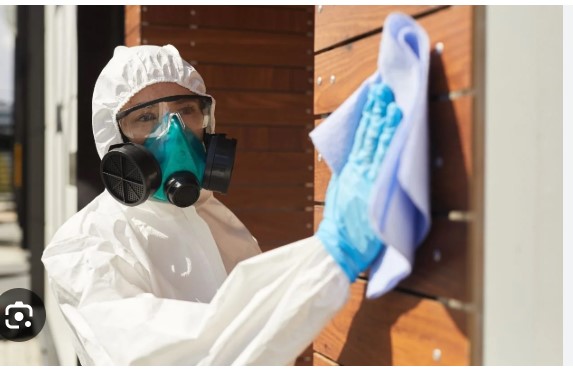
Moreover, our abatement specialists wear extensive personal protective equipment (PPE) to prevent exposure.
- Respirators: Workers use fit-tested respirators, typically half-face or full-face units, with appropriate HEPA cartridges.
- Disposable Gear: We use disposable coveralls, gloves, and boot covers. Subsequently, workers properly dispose of this gear within the containment zone before exiting.
3. Lead-Safe Work Practices
Next, we employ specific work methods designed to minimize dust generation.
- Wet Methods: We use wetting agents, like misting water, on the paint surface before scraping or sanding. This practice binds the dust and prevents it from becoming airborne.
- HEPA Vacuuming: Instead of traditional vacuums, we use HEPA-filtered vacuums to clean up debris and dust constantly during the process. We use these specialized vacuums at the source of disturbance.
- Chemical Strippers: Sometimes, we utilize chemical paint strippers as they effectively remove paint layers without creating dust. However, we carefully select and apply these products, ensuring proper ventilation during their use.
The Comprehensive Lead Abatement Process
Effective Lead Paint Abatement involves a sequence of detailed steps, ensuring complete removal and proper disposal.
1. Preparation and Setup
Initially, our team sets up the containment area, posts warning signs, and secures all entry points. We also shut down and seal off all heating, ventilation, and air conditioning (HVAC) systems that pass through the work zone to prevent lead contamination of the ductwork.
2. Removal
Then, using the lead-safe work practices mentioned above, we systematically remove the lead-based paint from the affected substrates. The chosen method—scraping, wet sanding, or chemical stripping—depends on the location, condition of the paint, and the underlying material.
3. Cleanup and Encapsulation
Following removal, thorough cleanup is essential. We meticulously clean all surfaces within the containment zone using the three-stage process:
- Gross Cleanup: Remove all large debris and paint chips.
- HEPA Vacuuming: Vacuum all surfaces, including walls, ceilings, and the plastic sheeting.
- Wet Wiping: Wipe all surfaces with a solution, often a lead-specific cleaner, to pick up any remaining microscopic dust.
In some cases, removal is not feasible, and we opt for encapsulation. This involves applying a specialized coating or material (an encapsulant) to the lead paint, creating a durable, long-lasting barrier that seals the lead in place.
4. Clearance Testing
Finally, before tearing down the containment, we arrange for an independent third-party inspector to conduct clearance testing. This critical step involves taking dust wipe samples from various surfaces in the work area. The samples must show lead concentrations below the regulatory limits to confirm the area is safe for re-occupancy. Only after receiving clearance documentation do we dismantle the containment and release the area back to the owner.
Why Choose Asbestos Removal Calgary for Your Abatement Needs?
Choosing the right partner for Lead Paint Abatement is critical for both the safety and long-term value of your Calgary property.
- Experience and Certification: Our team holds the necessary certifications and extensive experience navigating the complexities of environmental regulations in Alberta.
- Compliance Guaranteed: We ensure every project adheres strictly to guidelines set by Alberta Environment and Parks and Health Canada.
- Health-First Approach: Our methodology prioritizes minimizing occupant exposure, ensuring a smooth and worry-free abatement process. We manage all aspects, from initial testing to final clearance, providing you with peace of mind.
To learn more about our comprehensive lead paint removal services and how we can make your property safe, visit our dedicated information page on Lead Paint Abatement. Alternatively, if you are ready to schedule an inspection or receive a free, no-obligation quote, please contact us today at Asbestos Removal Calgary.
Frequently Asked Questions (FAQ)
What is the difference between Abatement and Interim Control?
Lead Paint Abatement involves permanent elimination, such as removal, encapsulation, or enclosure. It aims to eliminate the hazard completely. Interim Control involves temporary measures, like specialized cleaning, repairing damaged paint, or minor maintenance, to temporarily reduce the immediate risk until a permanent solution is feasible. Abatement is the definitive long-term solution.
Is lead paint only dangerous if it's peeling?
While peeling, chipping, or chalking paint poses the greatest risk because it easily releases lead dust and chips, intact paint can still be hazardous. Specifically, lead paint on surfaces that rub or bump together, like windows and doors, generates invisible, harmful lead dust even when the paint appears sound.
How long does a typical lead paint removal project take?
The duration of a Lead Paint Abatement project depends entirely on the scope—the size of the area, the amount of lead paint, and the chosen removal method. However, for a residential room, it can take anywhere from a few days to a week. This timeline includes the crucial steps of setup, removal, meticulous cleanup, and final clearance testing.
Do I need to vacate my property during the removal process?
Yes, we strongly recommend that all occupants, especially children and pregnant women, vacate the property for the duration of the abatement process and until final clearance is received. Because we establish a tight containment zone, a safe and compliant abatement minimizes risk to the rest of the structure. However, it’s best to avoid all potential exposure.
Who pays for the clearance testing?
The property owner typically pays for the independent third-party clearance testing. However, Asbestos Removal Calgary can manage the logistics of scheduling and coordinating the inspection and sampling as part of our full-service offering, ensuring compliance is met.

You Might Like Also

How to Get Expert Water Dispenser Service in Hyderabad


How to Find RO Service Near Me in Patna

Importance of Regular Expert RO Service in Ahmedabad

How to Find Professional Fridge Repair in Kukatpally

Why IPTV Montreal Is Building Strong Trust in Canada 🇨🇦

Top PSLE Math Mistakes Students Make and How to Avoid Them




