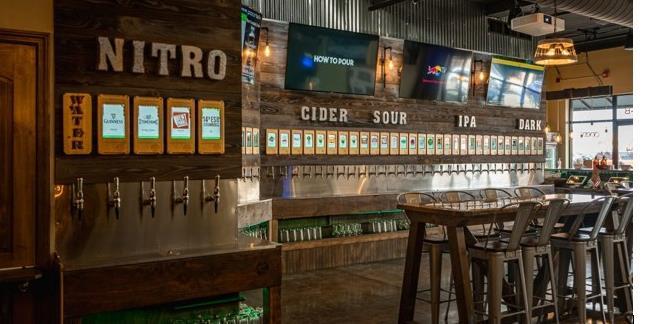

Visiting the traditional bar is an integral aspect of social life in the UK. Nevertheless, the situation has been gradually changing in recent years. The emergence of the self-service bar, combining convenience, technology, and customer empowerment into the modern alternative to the traditional set-up of a bar, has become one of the most remarkable trends.
What is a Self-Service Bar?
In a self-service bar, the customers would be able to pour themselves drinks where there would be a variety of beverages like beer, cider, wine, as well as occasionally cocktails or soft drinks. The systems are most often installed in the walls of the tap, or a small self-contained machine, and are accessed with a pre-paid card, wristband, or phone application. Each drink is counted, recorded, and a charge is made.
It is a work-on-demand, pay-as-you-go model: a new degree of control and freedom for the customers who have been finding the service extremely popular in pubs, festivals, and hotels, as well as at customised events all over the country.
The need to go Self-Service:
The increasing need for speed and ease is one of the core reasons why self-service bars continue to increase in popularity. The issue that hurts the people is long queues and waiting times to place orders with the staff. Standalone bars, also known as self-service bars, get rid of that problem almost completely, because now many people receive service at once.
It is also a more transparent model. Customers are aware of the number of drinks they consume and the money spent since all pours are recorded. It is also a step towards responsible drinking since individuals will be more cautious when pouring themselves drinks.
Advantages to Business owners:
Self-service bars are associated with many advantages to the venue owners and event organisers. The price of labour will also be low since the bar will not require many personnel. Meanwhile, the system can and frequently does lead to increased sales since it makes the speed of service much faster and persuades customers to just taste something and not buy the entire thing in one go: people can pour only a portion to take a taste of something new and not commit to an entire drink.
Stock control is also enhanced with the self-service systems. All the millilitres that are poured are recorded, which would not only lessen the wastage but also would eliminate theft and serve as a good source of data on the tastes of the clients and the favourite beverages.
Improvement of User Experience:
There is also a novelty factor. It is a common thing that many prefer to pour their own drink; it is easier, it is fun to pour your own drink, especially during events and gatherings, where it makes the bar seem more reachable. Digital screens where a customer may learn about the beverages they sell, e.g. tasting notes or origin, are even installed in some of the places, making the bar not just a place to socialise, but to learn as well.
Factors to take into account: Things to consider:
Self-service bars are characterised by several benefits, but a series of responsibilities must be taken into consideration. Age checks are vital, and clear ID checks should be allowed at the entry point. A hygienic facility, equipment maintenance and customer service should also be taken care of to run a smooth operation.
Conclusion:
Self-service bars are a new trend in an ancient tradition. They offer the fastest, smartest, and most enjoyable means of enjoying drinks through the union of modern technology and customer-centred aesthetics. The self-service bar is soon becoming a standard feature in the UK hospitality industry as the use of this innovation sweeps through more outlets.
Meta Description:
Self-service bars are redefining the UK drinking scene—offering faster service, lower costs, and greater customer control through innovative, tech-driven experiences.




