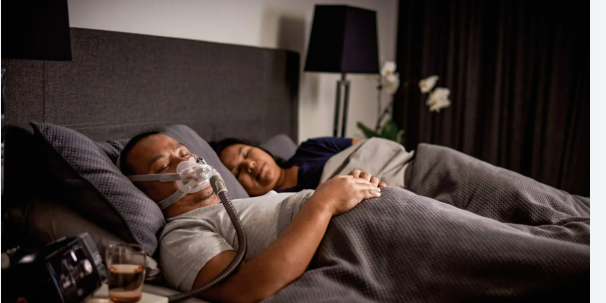

What Is Sleep Apnea
Sleep apnea is a common yet serious sleep disorder where a person’s breathing repeatedly stops and starts during sleep. These interruptions can last from a few seconds to a minute and occur multiple times throughout the night. The most common type is obstructive sleep apnea, where the throat muscles relax and block the airway. People with sleep apnea hong kong often experience poor sleep quality, fatigue, and other health complications if left untreated.
Signs That Should Not Be Ignored
Many individuals in Hong Kong remain unaware that they have sleep apnea. The condition often goes undiagnosed because its symptoms occur during sleep and may seem unrelated to sleep health. Common warning signs include:
- Loud snoring on a regular basis
- Gasping or choking sounds while asleep
- Pauses in breathing during the night
- Frequent night-time awakenings
- Dry mouth or sore throat in the morning
- Daytime tiredness despite full sleep hours
- Poor concentration or memory problems
- Mood swings and increased irritability
Anyone experiencing these signs should consider seeking a proper diagnosis.
Risk Factors In Hong Kong's Lifestyle
Sleep apnea can affect anyone, but several factors increase the risk, especially in urban environments like Hong Kong. These include:
- Being overweight or obese
- Sedentary lifestyle due to long working hours
- High stress and irregular sleep patterns
- Smoking and frequent alcohol consumption
- Air pollution and poor indoor air quality
- Family history of sleep disorders
- Aging, as muscle tone in the throat decreases over time
These lifestyle factors are common in city dwellers, which explains the rise in cases of sleep apnea hong kong.
Diagnosis And Sleep Monitoring
To properly diagnose sleep apnea, a sleep study is necessary. This can be done in a hospital or at home through portable sleep testing devices. Medical professionals measure breathing patterns, oxygen levels, heart rate, and brain activity to determine the severity. In Hong Kong, sleep tests are increasingly being offered through homecare medical services, providing patients with a more comfortable and convenient experience.
Home sleep tests are ideal for people who have mobility limitations, tight work schedules, or prefer the privacy of their own space.
Treatment Methods And Therapies
Once diagnosed, effective treatment is key to managing sleep apnea hong kong. The most common methods include:
- Continuous Positive Airway Pressure (CPAP): A device that delivers a steady flow of air to keep the airway open during sleep.
- BiPAP Machines: Offer two levels of pressure for easier exhaling, often used when CPAP alone is not effective.
- Oral Devices: Custom mouthpieces that reposition the jaw and tongue to keep the airway clear.
- Surgical Options: Procedures to remove or shrink excess tissue in the airway, used in severe or non-responsive cases.
- Lifestyle Changes: Weight loss, smoking cessation, limiting alcohol, and adjusting sleep position.
Each patient’s treatment is tailored based on the severity of their condition and comfort with the therapy.
Importance Of Homecare Services
In the past, patients had to travel to hospitals or clinics for every consultation and device fitting. Now, homecare medical providers in Hong Kong offer comprehensive services that include:
- At-home sleep testing kits
- Setup and demonstration of CPAP or BiPAP machines
- Regular follow-up visits and virtual consultations
- Device cleaning and maintenance
- Ongoing support to ensure comfort and adherence
This has made treatment more accessible, especially for elderly patients or those with chronic illnesses.
Sleep Apnea In Children And Teenagers
While most cases of sleep apnea are found in adults, children and teens can also be affected. Common causes in younger patients include enlarged tonsils or adenoids, allergies, or craniofacial abnormalities. Symptoms in children may present differently, such as:
- Mouth breathing
- Difficulty staying focused in school
- Poor academic performance
- Hyperactivity or behavioral issues
- Bedwetting or night terrors
Pediatric sleep studies and early intervention are essential to prevent long-term effects on physical and cognitive development.
Consequences Of Untreated Sleep Apnea
If left untreated, sleep apnea can lead to a wide range of serious health problems. These may include:
- High blood pressure
- Irregular heartbeats or cardiovascular disease
- Type 2 diabetes
- Stroke or heart attack
- Chronic fatigue and increased risk of accidents
- Mental health issues such as depression or anxiety
Treating sleep apnea hong kong is not just about improving sleep quality—it also protects overall health and wellbeing.
Raising Public Awareness
Despite its seriousness, many people still see sleep apnea as just another form of snoring. Education and awareness are key. Employers, schools, and community health organizations in Hong Kong can play a vital role by:
- Conducting workshops and awareness campaigns
- Providing sleep health screenings in workplaces
- Encouraging regular checkups with general practitioners
Breaking the stigma around sleep disorders helps more people feel confident about seeking help.
Living With Sleep Apnea
Managing sleep apnea is a lifelong commitment, but with proper care, it is entirely possible to live a healthy, energetic life. Adapting to sleep devices may take time, but regular usage significantly improves sleep quality. Patients often report:
- Increased daytime energy
- Better focus and memory
- Improved mood and relationships
- Reduction in associated health risks
Support from family members, friends, and caregivers is also important to maintain motivation and treatment compliance.
Conclusion
In a city that never sleep apnea hong kong the importance of restful and uninterrupted sleep often goes unnoticed. Sleep apnea hong kong is more common than many people think, but the good news is that it is manageable with the right steps.
Thanks to advancements in homecare medical services, more individuals now have access to convenient diagnosis, therapy, and support. Whether it’s a working professional, an elderly parent, or a school-going child, addressing sleep issues at the root can make a significant difference. Prioritize your sleep—because health truly begins at night.




