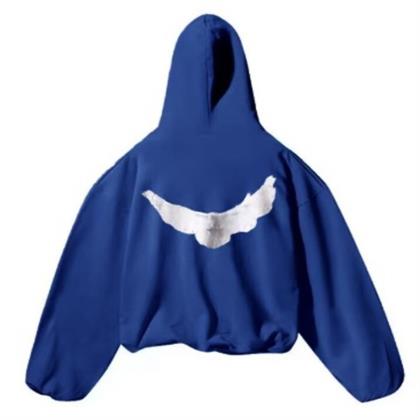
Winter dressing gets complicated fast when you're trying to stay genuinely warm without sacrificing how the outfit looks or feels throughout the day. The Sp5der Zip Up Hoodie sits in an interesting position within this problem because its construction and design give it more layering range than most people actually use. Most buyers wear it as a standalone piece or throw a coat over it without thinking carefully about what it can do within a more considered layering system. This guide covers the specific layering combinations that actually work in winter conditions, why the zip format gives you options that pullover hoodies don't, and how to build outfits around it that hold up visually across different winter environments.
Why the Zip Format Changes Winter Layering
A pullover hoodie commits you to a specific temperature. On or off. No middle position.The sp5der hoodie changes that completely. Half zip, quarter zip, fully open, fully closed. Each position handles a different temperature range and a different level of physical activity within the same wearing day.This adjustability is what makes the Sp5der Zip Up Hoodie specifically useful for winter rather than just warm weather wearing. Winter days move through multiple temperature zones between morning and afternoon, between indoor and outdoor, between active movement and sitting still. The zip gives you a response to each transition without removing the garment or adding another layer.
The Base Layer That Works Underneath
Most people skip the base layer entirely and then wonder why the hoodie feels insufficient when temperatures actually drop.A fitted long-sleeve base layer underneath the Sp5der Zip Up creates a trapped air layer between the two garments that adds warmth without adding visible bulk. The base layer doesn't show when the zip is fully closed. It appears at the collar and cuff when the zip opens or the sleeves push up, which adds a layering detail that reads as intentional rather than practical.Thermal base layers in neutral tones work best because they don't compete visually with the Sp5der graphic when they become visible. White, grey, or black base layers underneath let the hoodie's design remain the primary visual element regardless of how much zip adjustment happens throughout the day.
Wearing It Under a Shell Jacket
The Sp5der Zip Up works exceptionally well as a mid-layer under a lightweight shell jacket or an unlined outer layer.The zip construction is specifically helpful here because a shell jacket over a zip hoodie allows ventilation management that a pullover doesn't. Unzip the hoodie partially inside the shell jacket and the warmth level drops without removing either layer. Fully zipped beneath the shell, the combination handles genuinely cold outdoor temperatures that either piece alone wouldn't manage.The key requirement for this combination is that the shell jacket fits over the hoodie without creating the bunched, restricted feeling that happens when an outer layer is too fitted to accommodate a mid-layer beneath it. Sp5der's oversized cut actually helps here because it sits slightly away from the body, which means the outer layer sits over it more cleanly than it would over a tighter fitting hoodie.
The Tee Over Zip Hoodie Approach
Wearing a tee over an open zip hoodie sounds counterintuitive but it's one of the most visually interesting winter layering https://sp5dehoodie.com/ combinations available with this specific piece.The zip hoodie worn fully open with a graphic tee layered over it produces a silhouette where the hoodie functions as an open overshirt. The tee sits as the chest-level visual anchor and the hoodie frames it on both sides. This combination works because the Sp5der Zip Up's design language is strong enough to read clearly even when another piece sits over its central graphic.Temperature management in this combination works by zipping the hoodie progressively as it gets colder, which gradually brings the hoodie's warmth layer forward while the tee stays visible at the collar and hem.
The Heavy Coat Mid-Layer Position
For genuinely cold winter conditions the Sp5der Zip Up functions as the warmest layer in a three-piece system.Base layer next to the skin. Zip hoodie fully zipped in the middle. Heavy insulated coat on the outside.This three-layer system handles winter temperatures that either of the outer pieces alone wouldn't manage. The hoodie's fabric adds warmth between the base layer and the outer coat while the zip allows heat management without removing the coat in environments where that's inconvenient.The visual opportunity in this system appears during indoor moments when the coat comes off. The Sp5der Zip Up fully zipped with a base layer visible at the collar produces a clean winter indoor look that the coat-on version was working toward all along.
Collar Positioning and What It Does for Warmth
The Sp5der Zip Up collar sits at a height that creates genuine neck coverage when fully zipped, which is one of the most practically useful warmth features on any hoodie regardless of brand.The neck loses heat faster than most of the body during cold outdoor exposure. A hoodie that sits high at the collar when zipped handles this specifically rather than relying entirely on the hood for neck coverage.Wearing the collar zipped to the top with the hood down reads as a clean, considered winter look while providing practical warmth that lower collar hoodies don't match. The hood goes up when wind or precipitation arrives and comes back down when conditions ease. This two-position system gives more weather response options than either alone.
Layering With Knitwear Over the Top
A chunky knit worn over an open Sp5der Zip Up is a combination that most streetwear buyers haven't tried and genuinely should.The zip hoodie underneath a loose-knit sweater creates texture contrast that adds visual depth to a winter outfit without requiring any complex styling knowledge. The hoodie shows at the collar, cuffs, and hem while the knit handles the primary silhouette. Both pieces are doing different things within the same outfit rather than both competing to be the visible statement.This combination works best when the knit is oversized enough to sit over the hoodie without pulling across the back or restricting arm movement. The Sp5der Zip Up's own relaxed cut helps here because it doesn't add significant bulk beneath the knit.
Managing Bulk Without Losing Warmth
The main concern with winter layering is that adding warmth layers adds bulk that changes how everything looks and feels.The Sp5der Zip Up avoids this problem better than most hoodies because the zip allows precise adjustment rather than requiring full wearing or full removal. Partially zipping in response to temperature changes manages warmth without adding visible bulk that changes the outfit's proportions.Choosing thinner base layers rather than thick ones achieves the warmth contribution without the bulk. A quality thin thermal adds meaningful warmth while barely affecting the fit of the zip hoodie worn over it.
Indoor Transitions and Looking Right in Both Environments
Winter layering fails most often at the transition between outdoor cold and indoor warmth.Walking into a heated building in a full winter layering system often produces an immediate need to remove everything at once, which creates a management situation with multiple layers to carry or store. The Sp5der Zip Up solves the indoor transition specifically through the zip's incremental temperature management.Entering a warm indoor space, unzip the hoodie progressively rather than removing it. At the fully open position the zip hoodie reads as a casual indoor layer rather than outdoor insulation. The graphic becomes visible. The outfit shifts from winter outdoor to casual indoor without any actual clothing change.
Footwear That Connects the Full Winter Look
Layering conversations rarely include footwear but the shoes at the bottom of a winter outfit either complete the system or contradict it.Clean winter-appropriate footwear alongside a Sp5der Zip Up layering outfit produces a picture that reads from head to foot as a considered winter look. Chunky sole trainers work well because they add visual weight at the bottom that balances the hoodie's graphic weight in the middle. Clean boots in dark leather or leather-effect material connect the streetwear upper layers to something that handles winter ground conditions practically.Summer trainers worn with winter layering create an obvious disconnect that pulls the whole outfit's credibility downward regardless of how well the upper layers work together.
Colorway Choices for Winter Layering
Dark Sp5der Zip Up colorways work best in winter layering contexts for specific reasons beyond personal preference.Deep tones sit naturally within the heavier visual weight that winter outfits carry through thicker fabrics and more complex silhouettes. Lighter or brighter colorways can work but require more careful management of what sits alongside them to avoid the layered outfit feeling visually chaotic rather than considered.Black and deep navy zip up colorways read cleanly under outer layers when the hoodie shows at the collar and cuffs, and read clearly as standalone pieces when the outer layer comes off. This dual function across two positions makes dark colorways the most practically useful winter choice.
Closing Point
The Sp5der Zip Up Hoodie earns its place in a winter wardrobe through the specific layering flexibility that the zip construction provides rather than through warmth alone. Building layering combinations around the zip's adjustability rather than treating the hoodie as a fixed-temperature piece unlocks the full range of what it can do across genuinely cold conditions. Base layer underneath for added warmth without bulk, shell jacket over the top for weather protection, knitwear over an open zip for texture contrast, or within a three-layer system for serious cold, the combinations consistently produce winter outfits that work practically and visually at the same time. That combination of function and appearance across varied winter conditions is what separates a genuinely useful winter piece from one that only works within a narrow temperature window.