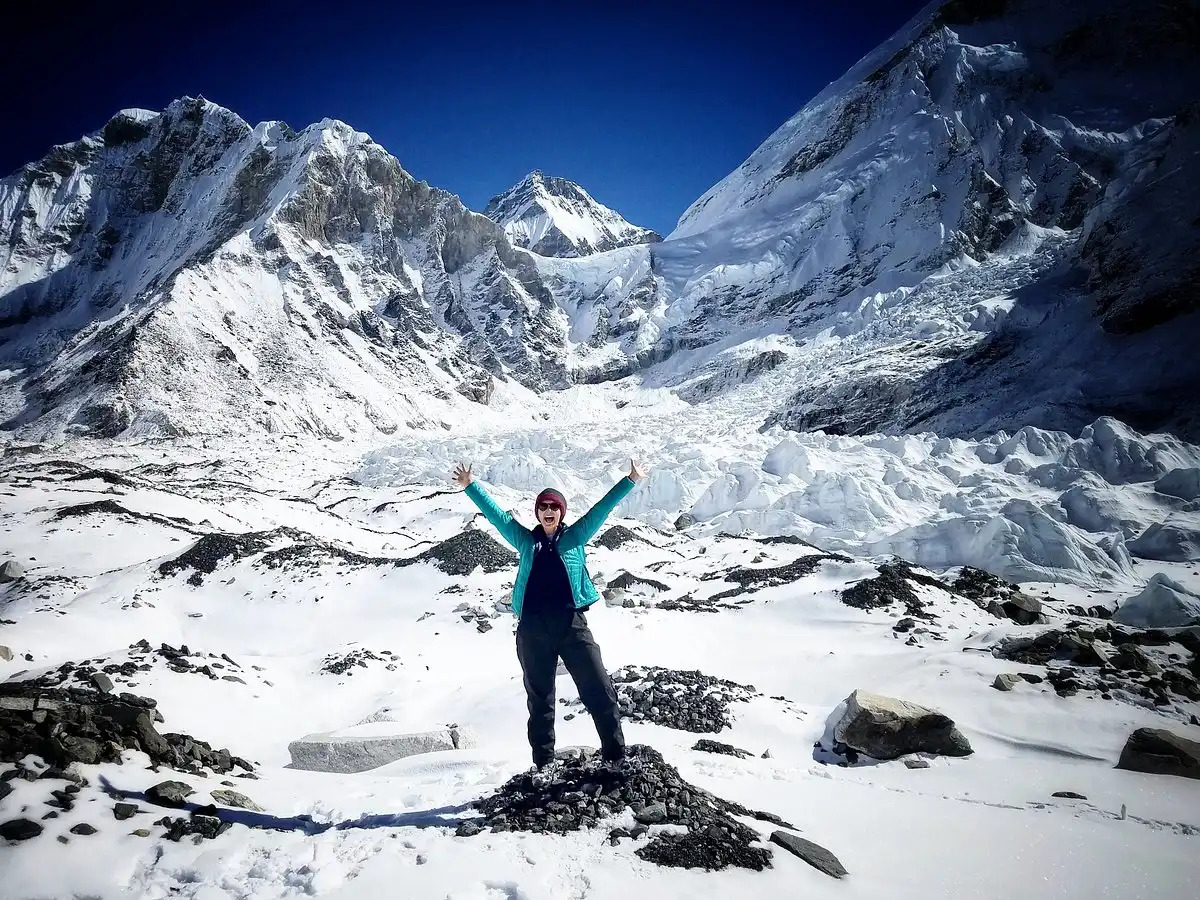

Have you ever dreamed of standing above the clouds, surrounded by towering Himalayan peaks? The Everest Three High Passes Trek is your chance to turn that dream into reality. This journey is not just a trek—it’s an adventure that challenges your body, inspires your soul, and rewards you with some of the most breathtaking views in the world.
Why Choose the Everest High Pass Trek?
The Everest High Pass Trek is famous for connecting three of the region’s most stunning high passes: Kongma La, Cho La, and Renjo La. Each pass offers a unique perspective of Everest and its neighboring peaks. Along the way, trekkers experience remote villages, friendly Sherpa culture, and the raw beauty of the Himalayas.
This trek is perfect for adventure seekers who want more than just Everest Base Camp. You will cross high passes, navigate glaciers, and enjoy panoramic views that make every step worth it. Unlike other treks, this route combines challenge with the chance to explore hidden valleys and less-visited trails, giving you a true sense of Himalayan adventure.
Trek Statistics at a Glance
The Everest Three High Passes Trek typically takes 18–21 days to complete. The total distance covered is approximately 120–130 kilometers, depending on the route you choose. Trekkers reach a maximum elevation of 6,166 meters (20,212 feet) at Kongma La Pass. Daily walking distances range from 5 to 10 kilometers, allowing time to enjoy the scenery and acclimatize properly.
Knowing these numbers helps you prepare mentally and physically. High passes require endurance, careful planning, and a strong mindset, but the reward is incredible—a view of Everest and surrounding giants that few people ever see.
The Journey Begins: Lukla to Namche Bazaar
Most treks start with a flight to Lukla, a small mountain airport surrounded by cliffs and forests. The first day of trekking is usually gentle, helping you get used to the altitude. You will pass through beautiful pine forests, suspension bridges, and small villages along the Dudh Koshi River.
Soon, you will reach Namche Bazaar, the hub of the Khumbu region. This bustling town is full of shops, cafes, and local culture. Spend a day here to explore, shop for gear, and enjoy the views of nearby peaks like Thamserku and Kongde.
Crossing Kongma La Pass
Kongma La is the first high pass you will encounter. At over 5,535 meters (18,159 feet), it is a challenging climb but offers spectacular views of Everest, Lhotse, and Ama Dablam. Crossing this pass requires trekking across snowfields and glaciers, so proper gear and acclimatization are essential.
The sense of achievement after crossing Kongma La is unforgettable. On the other side, you descend into Gokyo Valley, where turquoise lakes reflect the surrounding mountains. Gokyo Ri, a nearby peak, is a perfect spot for sunrise views of Everest and Cho Oyu.
Cho La Pass: Adventure Continues
Next, trekkers face Cho La Pass, slightly higher at 5,420 meters (17,782 feet). This pass is narrower and more rugged, with ice and rocks along the trail. The climb is tough, but every step brings you closer to panoramic Himalayan vistas.
After descending Cho La, you reach Dzongla or Thagnak, small villages where you can rest and enjoy Sherpa hospitality. These villages give a glimpse into the lives of people living in extreme conditions, adding a cultural dimension to your adventure.
Renjo La Pass: The Final Challenge
The last high pass is Renjo La, at about 5,360 meters (17,585 feet). It offers a dramatic view of Everest, Lhotse, and Makalu. Crossing this pass completes the three-high-pass adventure and rewards you with the feeling of accomplishment that few treks can match.
From here, you can descend towards Everest Base Camp or back to Lukla, depending on your itinerary. The trek ends with a sense of awe, pride, and memories that will last a lifetime.
Tips for a Successful Everest High Pass Trek
Acclimatize properly – Take rest days and avoid rushing to high altitudes.
Pack the right gear – Waterproof boots, warm clothing, trekking poles, and crampons are essential.
Stay hydrated – Drinking enough water helps prevent altitude sickness.
Hire an experienced guide – Guides provide safety, local knowledge, and cultural insights.
Listen to your body – Don’t push too hard; the mountains reward patience.
Final Thoughts
The Everest Three High Passes Trek is more than just a physical journey. It is a journey into your own limits, a chance to connect with nature, and an opportunity to experience the unique culture of the Khumbu region. From stunning high passes to serene villages, every moment is unforgettable.
If you are looking for adventure, challenge, and awe-inspiring Himalayan scenery, this trek is calling your name. Step into the sky and let the Everest High Pass Trek transform the way you see the world—and yourself.

You Might Like Also

Discover the Fun and Freedom of Rafting Across Nepal

Climbing in Nepal: Where Adventure Meets the Himalayas






