
Are you ready to experience the thrill of cricket without the usual stress of heavy equipment? Tape ball cricket is the answer! This exciting and simple format of the game is played in streets, parks, and open spaces worldwide. It’s a budget-friendly alternative to traditional cricket, yet it retains the competitive spirit that cricket lovers crave.
In this guide, we’ll walk you through tape ball cricket rules, essential equipment, tips, and everything you need to start your journey in this exciting format. Whether you’re a beginner or someone looking to polish your knowledge, this is your ultimate guide!
What is Tape Ball Cricket?
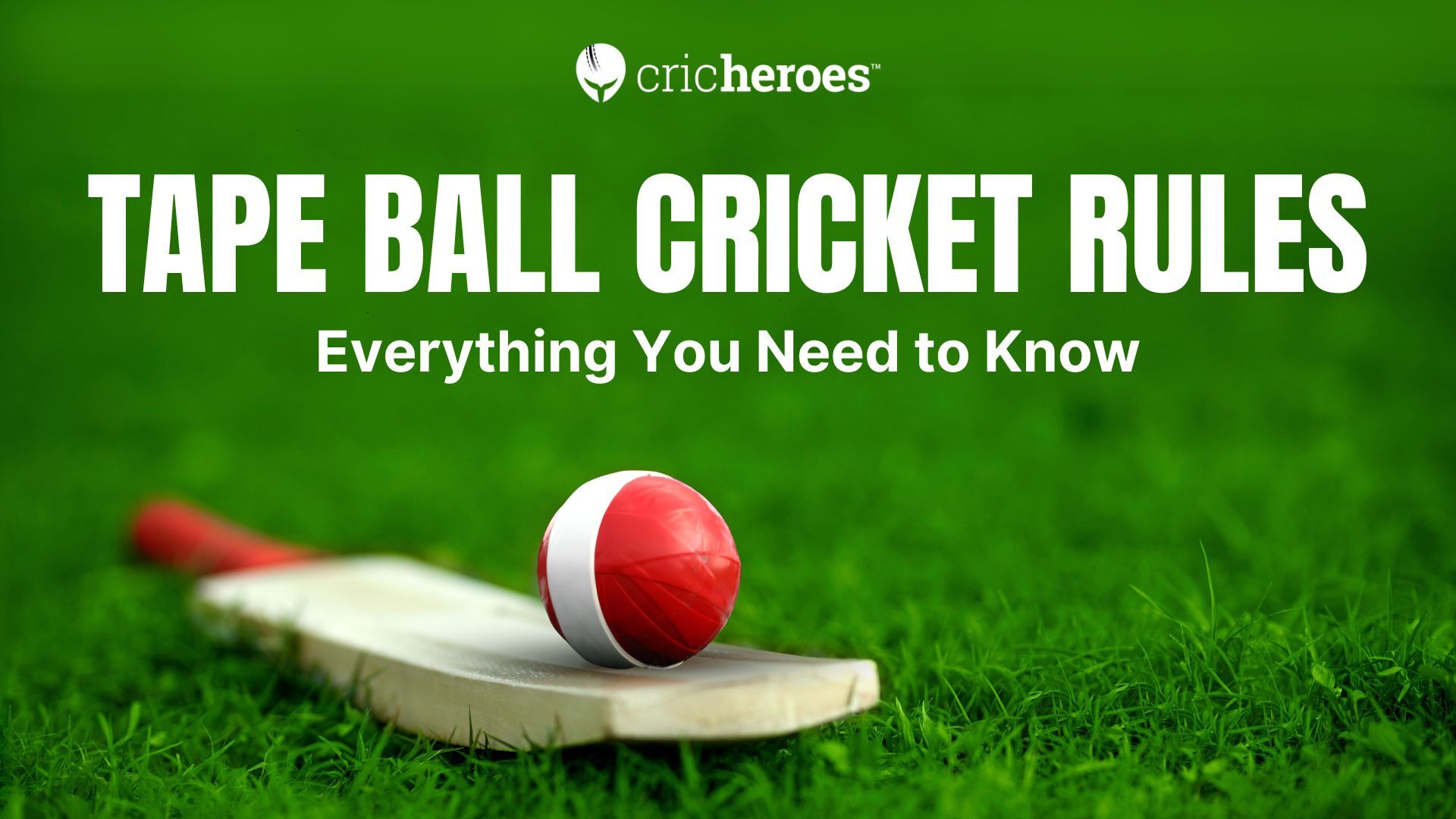
Tape ball cricket uses a tennis ball wrapped in electrical tape, making it lighter and less dangerous than a hard cricket ball. This makes it ideal for casual games, where safety and convenience are priorities. Popular in South Asia, the Middle East, and now spreading globally, it allows players to enjoy cricket without needing professional gear.
Why is Tape Ball Cricket So Popular?
- Affordable: Minimal equipment means you can start playing with a small budget.
- Accessible: You can play it in any open space, from streets to rooftops.
- Fun for All Ages: The softer ball ensures safety, making it family-friendly.
- Fast-Paced Action: Games are shorter, offering more excitement and faster results.
Basic Tape Ball Cricket Rules
1. Players and Teams
- Each team consists of 6 to 11 players.
- Matches can be flexible with the number of overs, typically ranging from 6 to 10 overs per side.
2. Pitch and Ground
- The pitch length is usually 18-22 yards, shorter than traditional cricket.
- Boundary sizes can vary but are typically smaller, making it easier to score runs.
3. Equipment
Here’s what you need:
- Tape Ball: A tennis ball wrapped in electrical tape to reduce bounce.
- Bat: A standard cricket bat or a lighter one suited for tape ball cricket.
- Stumps: Either wooden stumps or makeshift ones using items like chairs or sticks.
Game Rules
1. Bowling Rules
- Overarm and underarm bowling are allowed.
- Bowlers must avoid chucking; otherwise, it’s a no-ball.
- A taped ball swings more, so bowlers can experiment with angles and speed.
2. Batting Rules
- Batsmen must stand behind the crease while facing deliveries.
- If the ball hits an obstruction (like a tree or pole) and is caught, it’s still considered out.
3. Scoring Rules
- Runs are scored by hitting the ball and running between the wickets.
- Boundaries:
- A hit to the fence earns 4 runs.
- A hit over the fence earns 6 runs.
4. Dismissal Rules
- Bowled: The ball hits the stumps.
- Caught: The ball is caught before touching the ground.
- Run Out: A fielder hits the stumps before the batsman completes the run.
- Hit Wicket: The batsman accidentally dislodges the bails.
Common Variations in Tape Ball Cricket
Power Play
- Teams may decide on a 2-over power play where field restrictions are in place.
Last Man Standing
- If only one batsman remains, they can continue batting but with limited scoring options.
Double Runs for Specific Zones
- Certain areas of the field may count for double runs to spice up the game.
Essential Tips for Tape Ball Cricket
For Bowlers
- Use taped balls to generate swing; the tape side can create unpredictable movement.
- Bowlers should practice yorkers, as they are particularly effective.
For Batsmen
- Focus on timing rather than brute force; tape balls don’t travel far with raw power.
- Stay light on your feet to adapt to swinging deliveries.
For Fielders
- Fielders must stay alert; smaller boundaries mean faster gameplay.
- Quick reflexes can save boundaries and help with run-outs.
How to Get Started with Tape Ball Cricket
- Gather Your Group: Call your friends or neighbors.
- Find a Spot: Look for an open space like a park or an empty parking lot.
- Get Your Equipment: Invest in a tape ball, basic bat, and makeshift stumps.
- Set the Rules: Agree on match rules beforehand to avoid disputes.
Benefits of Playing Tape Ball Cricket
- Improves Fitness: Running, bowling, and batting keep you active.
- Boosts Team Spirit: A great way to bond with friends and family.
- Develops Skills: Helps refine hand-eye coordination and strategic thinking.
Statistics and Facts About Tape Ball Cricket
- Played by millions across Pakistan, India, and the UAE.
- Requires 50% less space than traditional cricket.
- A 2-3 hour game can burn up to 500 calories per player!
FAQs About Tape Ball Cricket
What is the size of a tape ball cricket pitch?
A tape ball cricket pitch is usually shorter than a regular pitch, ranging from 18-22 yards.
How is a tape ball made?
A tape ball is created by wrapping a tennis ball with electrical tape, which reduces bounce and increases durability.
Can you play tape ball cricket indoors?
Yes, but ensure the space is safe and free of breakable items to avoid damage.
Why do people play tape ball cricket?
It’s affordable, easy to set up, and offers a fun, competitive game for all skill levels.
What equipment is essential for tape ball cricket?
You need a tape ball, a bat, and stumps. Optional items include gloves and protective gear for bowlers.
Conclusion
Tape ball cricket is more than just a game; it’s a social activity that brings communities together. It’s easy to learn, inexpensive, and loads of fun! Grab your tape ball, gather your team, and get ready to enjoy the thrill of cricket, one taped ball at a time.




