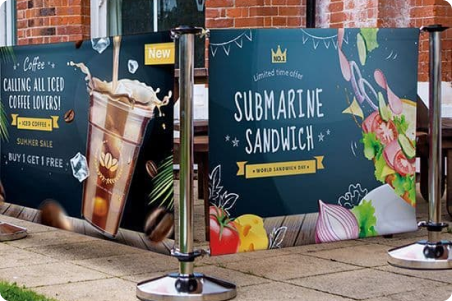

In an era where digital marketing dominates conversations, it is easy to overlook the influence of traditional advertising tools such as banners and posters. Yet, for local businesses, these print materials continue to serve as essential pillars of visibility and engagement. Unlike online ads that can be skipped, blocked, or ignored, banners and posters command attention in real-world spaces—whether it’s outside a store, at a busy intersection, or inside a community center.
This article explores the lasting power of banners and posters in local business marketing, their unique advantages, and practical tips to maximize their effectiveness.
1. Why Traditional Advertising Still Matters
While digital platforms provide global reach, local businesses thrive on community connections. A neighborhood café, a boutique store, or a fitness studio depends more on local foot traffic than on clicks from halfway across the world. Posters and banners, by their very nature, target people exactly where they are—in the streets, markets, and venues where they live and work.
Traditional print advertising:
Creates tangible, real-world impressions.
Delivers longer exposure since a banner remains visible 24/7.
Reaches offline audiences who may not be active online.
For small businesses, this makes banners and posters an affordable yet powerful complement to digital campaigns.
2. High Visibility and Instant Impact
One of the strongest advantages of banners and posters is unmatched visibility. Placed strategically in high-traffic areas, they act as silent salespeople, promoting your business every hour of the day.
Banners: Large, eye-catching, and ideal for outdoor spaces. Perfect for promotions, new product launches, or events.
Posters: Compact and versatile, effective in indoor settings like cafés, gyms, bus stops, or community boards.
Unlike digital ads that disappear once the budget runs out, a single printed banner continues working for weeks or even months—without additional cost.
3. Building Brand Recognition Through Repetition
Successful marketing is often about repetition and consistency. Every time a passerby sees your poster or banner, it reinforces your brand identity. By using consistent colors, fonts, and messaging, businesses build familiarity and trust.
For example:
A restaurant with a bright red banner promoting its “Weekend Specials” quickly becomes associated with deals and freshness.
A local gym displaying motivational posters consistently communicates its values of health and energy.
This visual reinforcement is key for long-term brand recall.
4. Targeted Local Reach
Unlike digital advertising, which often casts a wide net, banners and posters provide geographic precision. They speak directly to the people most likely to visit your business—those who live, work, or travel nearby.
Practical placement ideas:
Restaurants: Posters near office buildings or colleges to attract lunch crowds.
Retail stores: Banners outside shopping areas to capture weekend shoppers.
Event organizers: Posters on community boards to promote concerts, festivals, or local fairs.
This hyper-local focus makes banners and posters cost-efficient tools for neighborhood engagement.
5. Cost-Effectiveness Compared to Digital Ads
For small businesses with tight budgets, print advertising is often more affordable and sustainable than running continuous digital campaigns.
One-time investment: A high-quality banner can last months in outdoor conditions.
No recurring fees: Unlike pay-per-click ads, the cost doesn’t increase over time.
Reusability: Posters for seasonal promotions (e.g., “Back-to-School Sale”) can be reused every year.
This makes banners and posters an attractive choice for businesses seeking maximum visibility with minimal ongoing costs.
6. Versatility Across Marketing Campaigns
Another major strength of banners and posters is versatility. They can be adapted to fit nearly any marketing purpose:
Promotions and Discounts – Bold banners announcing “50% Off” sales.
New Product Launches – Posters showcasing product benefits with visuals.
Events and Workshops – Local exhibitions, training sessions, or concerts.
Seasonal Marketing – Festive designs during holidays to create excitement.
By tailoring designs to specific campaigns, businesses can achieve fresh engagement without reinventing their overall brand strategy.
7. Psychological Impact: Driving Impulse Decisions
Banners and posters have a psychological influence on customers, often triggering impulse actions. A well-placed poster outside a bakery showing freshly baked bread can instantly tempt passersby to step inside.
Research indicates that point-of-purchase advertising significantly increases sales because it catches people at the exact moment of decision-making. For local businesses, this effect can be a game-changer.
8. Durability and Longevity
Unlike fleeting digital impressions, physical banners and posters offer long-term exposure. A banner placed outside a store doesn’t disappear after a few seconds—it stays visible to thousands of people daily.
Outdoor banners are designed to withstand weather conditions.
Indoor posters maintain their quality for months when placed in protected areas.
This durability means businesses enjoy a continuous return on investment long after the initial cost.
9. Design Tips for Effective Banners and Posters
To maximize the impact, businesses must pay attention to design elements:
Bold Headlines: Short, strong phrases that grab attention (“Fresh Coffee Daily”).
Readable Fonts: Ensure clarity even from a distance.
High-Quality Images: Visuals create emotional connections.
Brand Elements: Use logos, slogans, and consistent colors.
Call-to-Action (CTA): Encourage immediate action (“Visit Today,” “Order Now”).
A well-designed banner or poster is not just an ad—it’s a silent ambassador of your brand.
10. Integrating Print with Digital Marketing
The best results come when businesses combine print and digital strategies. Banners and posters don’t replace online marketing—they enhance it.
Practical integrations:
QR Codes: Add scannable links leading to websites, menus, or discount coupons.
Social Media Handles: Encourage people to follow your brand online.
Event Promotion: Posters with hashtags to spark conversations on platforms like Instagram and Twitter.
This blended approach ensures your business reaches customers both offline and online for maximum impact.
11. Case Studies: Real-Life Examples
A local pizza shop reported a 30% increase in weekend sales after placing large vinyl banners promoting a “Family Meal Deal” near a busy highway.
A yoga studio boosted class attendance by 40% using colorful posters around nearby cafés and bookstores.
A community book fair achieved record attendance by combining social media promotion with posters across schools and libraries.
These examples highlight how banners and posters, when used creatively, drive measurable results.
12. Sustainability and Eco-Friendly Options
Modern businesses are increasingly concerned about sustainability. Fortunately, many printing services now offer eco-friendly materials, such as recyclable paper or biodegradable vinyl.
By choosing sustainable print options, businesses not only reduce their environmental footprint but also appeal to eco-conscious consumers.
Conclusion
Despite the dominance of digital marketing, banners and posters remain indispensable tools for local business promotion. They are affordable, versatile, durable, and community-focused, making them perfect for businesses looking to increase visibility, build brand recognition, and attract loyal customers.
When combined with strong design principles and digital integration, banners and posters can deliver remarkable results—ensuring that local businesses stay visible, relevant, and profitable in a competitive marketplace.




