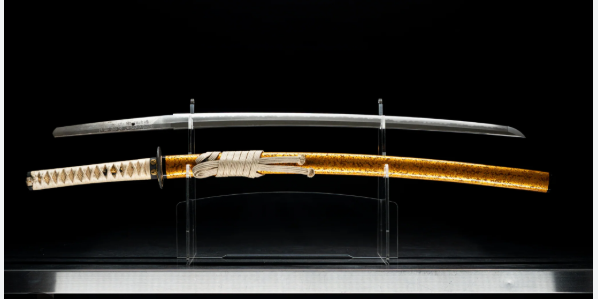
The Real Price Tag for Forging Your Own Katana: Everything You Need to Know

July 07, 2025

Making a sword is one of the oldest crafts still practiced today, and the katana is its shining star. With its graceful curve and needle-sharp edge, this iconic Japanese blade tells a story of skill and tradition that stretches back hundreds of years. Still, many people wonder: how much money does it take to actually forge a proper katana all by yourself?
Turning raw metal into a living katana is a lot bigger job than simply firing up a forge and swinging a hammer. The craft calls for expensive materials, unusual tools, countless hours of work, and a deep respect for methods that master smiths have perfected over generations. Whether you train in martial arts and want to know where your weapon comes from, or you simply love to build things with your hands, the price side of the project is something you should really map out first.
This guide lays out all the costs you will run into—from picking the right kind of steel to polishing that perfect mirror-finish. You’ll see what materials and gear will hit your wallet, how long each step can take, and the careful work needed to turn plain iron into a blade fit to serve a samurai.
Materials: The Foundation of Every Great Blade
Every fine katana starts with its steel, so the material a maker chooses shapes both the sword's character and its price tag. Japanese smiths have relied on a few key types of steel for centuries, and each one brings its own set of benefits to the finished blade.
Steel Choice and Price
At the core of most authentic katanas is high-carbon steel. One of the most popular grades, T10 tool steel, is loved for its hardness and ability to hold an edge. Right now, T10 runs about $15 to $25 per pound. Since a typical katana sword for sale needs between three and four pounds of steel, buyers should plan to spend around $60 to $100 just for this raw material.
Damascus steel casts a wider net for the wallet but pulls collectors in with its striking looks. By folding and welding several types of steel over and over, artisans build up layers that show wavy patterns along the blade. That artistry bumps the price to $40 to $80 per pound, so a full Damascus project will set you back anywhere from $150 to $300.
Then there is tamahagane, the traditional choice made from iron sand in a clay furnace called a tatara. When it’s available from reputable forges, tamahagane carries the heftiest tag of $200 to $500 per pound. Because of that, it often stays in the hands of master smiths and serious sword fans.
Clay and Flux Materials
When making a traditional katana, craftsmen mix special clays with flux to create the signature hamon line. That wavy temper line is what many people think of when they picture a real Japanese sword. While good clay and flux add about $30 to $50 to your supply bill, skipping them means losing both the look and the strength that true katana lovers expect.
Additional Raw Materials
Other supplies are easy to overlook but just as important. You’ll need charcoal to fuel the forge, which usually costs between $40 and $60 a sack. A kit of sandpaper and polishing compounds runs around $50 to $100, and you’ll spend another $20 to $40 on cleaners and etching chemicals. Add them all up and the extras can sneak up on your budget, yet they are what turn a rough blade into a professional-quality sword.
Essential Tools and Equipment

Along with materials, top-notch tools form the backbone of every forge shop. They also eat up the biggest chunk of your savings, because the gear you choose affects both the way you work and the final look of the blade.
Forge and Heat Source
At the center of that setup sits the forge. A good sword-maker’s forge needs to hit the searing temperatures required by Japanese steels, so prices start around $800 and can climb past $2,500. Gas forges give you steady, repeatable heat, which a lot of beginners like, while coal rigs offer the vintage vibe that some masters still swear by. Either way, the furnace has to stay above 2,000°F to properly treat the blade, so picking the right heat source is not something you can skip over.
Sword-Making Gear Costs: What You Need and What It Costs
If you dream of crafting your own sword, you’ll need much more than steel and elbow grease. A professional propane forge built for sword work usually runs between $1,200 and $2,000. That might sting at first, but these units heat long blades evenly, cut down on warping, and often come with handy extras like temperature gauges and adjustable air inlets that keep the flame just right.
Anvil and Hammers
Next on the list is the anvil. A good one weighs between 100 and 200 pounds and generally costs anywhere from $400 up to $1,200. Seasoned blacksmiths often recommend vintage anvils because they can be tougher than newer ones, but you must check them closely for cracks or chips. The face should be perfectly flat and hard enough to take a thousand strikes without showing a dent.
You’ll also want a set of specialized hammers. A cross-pein hammer runs $40 to $80, a traditional Japanese-style hammer goes for $60 to $120, and you may need a few other odd-shaped tools for extra jobs. Altogether, a complete hammer set can cost between $200 and $400.
Cutting and Grinding Gear
When it comes time to shape and finish the blade, angle grinders, belt sanders, and trick grinding wheels are your best friends. A heavy-duty setup will set you back between $300 and $800, while you can get a basic, entry-level rig starting around $150. Don’t forget quality wheels made for sword steel; those add another $100 to $200, but they work wonders for keeping the edge right.
Measuring and Safety Kit
Precision matters in sword making, so budget $200 to $500 for measuring and safety gear. That covers steel rulers, digital calipers, good safety glasses, heat-resistant gloves, and a ventilation fan or fume hood to make sure you breathe easy while you work.
The Crafting Journey: Time, Skill, and Dollars
Building an authentic katana or similar blade isn’t just about having the right toys. The process unfolds in distinct steps, from drawing out the tang to pattern welding to final polishing, and each stage eats up hours and skill you’ll learn only through practice. That time, along with the tools you gather along the way, adds up—so be ready to invest both sweat and savings into the craft you love.
Forging and First Shaping
Forging a katana starts the moment the steel goes into the forge. Blacksmiths heat the metal until it glows and then hammer it into the blade’s rough shape. That part alone can take anywhere from twenty to forty hours of heavy labor, so it eats a lot of fuel. If the smith uses propane, the bill for gas usually ends up between fifty and a hundred dollars. Those who stick to a coal forge might spend thirty to sixty dollars on good coal.
Old-school folding techniques make the job take even longer. By folding the steel back on itself, smiths spread carbon evenly through the iron and tighten the grain structure. With every fold the layer count doubles. A master may repeat the process sixteen times or more, which can stack the blade with over sixty-five thousand layers. All those extra folds can add another ten to twenty hours to the forging schedule.
Heat Treating and the Hamon Line
Once the blade has been hammered into shape, heat treatment becomes the make-or-break step of katana making. Artisans cover certain parts of the blade with a thin paste of clay before reheating it in the forge. When the blade cools in water, the soft spine remains flexible while the edge hardens, creating the stunning hamon line that katana are famous for. Getting the clay mixture just right and pulling the blade from the fire at the perfect moment takes years of practice; one slip can ruin dozens of hours spent forging.
This heat timer also has its share of costs. Extra propane or coal for the quench can run another twenty to forty dollars. Plus, clay, special coatings, and quenching oil usually add another thirty to fifty dollars to the final tab. Because the treatment can fail, it´s not uncommon for smiths to make several attempts until the blade is perfect.
Rough Polishing and Shaping
After the blade has been forged, the first step in polishing is known as rough polishing. This process strips away forge scale and starts to give the sword its basic shape and form. Craftsmen move from coarse grinding wheels for heavy removal down to fine polishing stones or belts. When you add up all the belts, wheels, and polishing compounds for a single katana, the materials usually run between $100 and $200.
If artisans prefer working on authentic Japanese blades, they often swap the power tools for water stones. Each stone is soaked before use, allowing it to cut evenly without clogging. A complete set typically includes 8 to 12 stones of different grits, and prices for the better brands range from $50 to $300 per piece. Because these stones last for many projects, most dedicated smiths end up spending between $500 and $1,500 on the collection.
Labor Costs: The Investment of Time
While materials matter, time is what truly drives the cost of a katana, whether you are doing it yourself or hiring a master.
DIY Time Investment
An experienced smith who works on swords only in the evenings or on weekends can finish a katana in three to six months. That’s usually between 100 and 200 focused hours. Beginners, however, tend to take longer as they practice each skill, so their timeline often stretches to six to twelve months. Add to that the value of your own time—say $20 to $30 an hour—and the labor bill quietly climbs to anywhere from $2,000 to $6,000.
Professional Services
For those who would rather not wait, commissioning a master offers an easier path. Ordering a custom katana straight from an established swordsmith typically costs between $3,000 and $15,000 or even higher. The exact price depends on the quality of the steel, the blade’s complexity, and the reputation of the artist. Each of these prices reflects years of training, countless hours spent refining techniques, and the care that goes into every blade.
If you want to learn how to make a sword the right way, you need to set aside between $500 and $2,000 for a good class. That price usually covers lessons, but you will pay extra for tools and the steel you use in the forge. Those costs add up, especially when you start working with high-quality materials.
Putting the Finishing Touches on Your Blade
A great katana is more than just a sharpened piece of metal. The handle, scabbard, and final polish give it life and often decide how much the whole sword will cost.
Building the Handle (Tsuka)
An authentic tsuka starts with ray skin, called same, wrapped in silk or cotton cord known as tsuka-ito. Depending on the grade of ray skin you pick, that part alone can run you anywhere from $50 to $150. The cord itself adds another $30 to $80. Don’t forget the wooden core, called tsuka-no-kawa; you’ll need $20 to $40 worth of wood for that. Once the core and wraps are done, fancy metal ornaments such as menuki, fuchi, and kashira can push the bill to anywhere between $100 and $500. The price depends on how fine the craftsmanship is.
Carving the Scabbard (Saya)
Making a hardwood saya takes steady hands and a good saw. The raw materials for a plain scabbard are usually $40 to $100. If you want it lacquered or decorated with special inlays, count on spending another $50 to $200.
The Final Polish
Finally comes the polish. This step looks simple, but it is really an art that only the best masters know.




