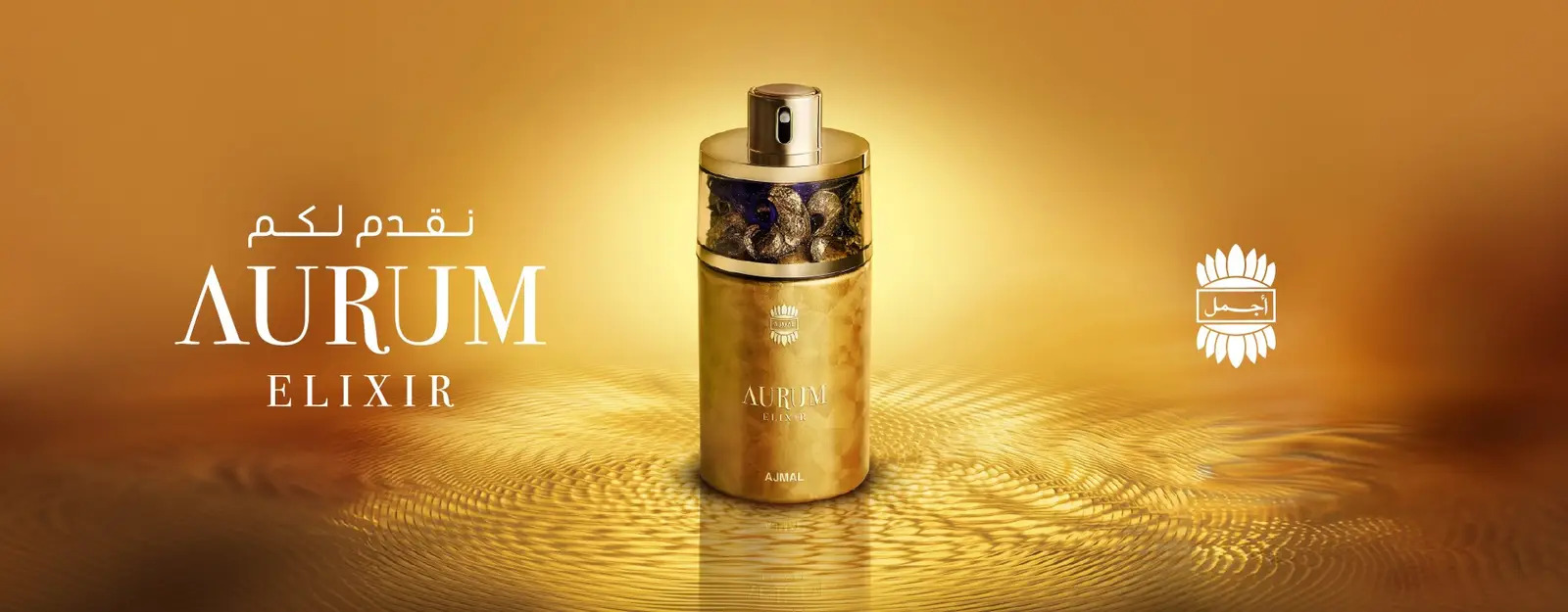
The Scented Souk: A Guide to Perfumes in Oman | Information & Commercial Insights 2026

January 30, 2026
The air in Oman carries a story a complex tapestry woven from the arid warmth of the desert, the salty breeze of the Arabian Sea, and, most distinctly, the profound aroma of sacred frankincense. For centuries, the art of fragrance has been embedded in Omani culture, not merely as adornment but as a form of hospitality, spirituality, and identity. Today, this deep-rooted tradition seamlessly blends with a vibrant modern market, creating a unique landscape for connoisseurs and businesses alike. This comprehensive guide for 2026 delves into the multifaceted world of perfumes Oman, offering essential information for enthusiasts and critical commercial insights for industry players looking to engage with this distinctive market.
The Cultural Heartbeat: Understanding Omani Fragrance Tradition
To truly appreciate the market for perfume in Oman, one must start with its soul: traditional Omani perfume, or Oud. Unlike Western fragrances, Omani scents are often oil-based, derived from a rich palette of local ingredients. Frankincense (luban), harvested from the Boswellia sacra trees of Dhofar, is the crown jewel. Its smoky, resinous scent is iconic. Alongside it, Oud (agarwood), rose water, musk, saffron, and myrrh form the classic olfactory lexicon.
These ingredients are not just commodities; they are part of social rituals. Burning frankincense to welcome guests (tahleel) is a universal sign of Omani hospitality. Personal attars (oil-based perfumes) are carefully selected and worn as a signature, often applied to the beard or on pressure points. This cultural intimacy with scent creates a discerning consumer base with a sophisticated nose for quality and authenticity, a key point for any commercial venture.
The Modern Marketplace: Where to Find Perfumes in Oman
The contemporary shopping scene for perfumes Oman is delightfully dichotomous, offering experiences that range from ancient souks to gleaming malls.
The Traditional Souks
No exploration is complete without a visit to the Mutrah Souk in Muscat or the Nizwa Souk. Here, in labyrinthine alleys, you'll find small stalls specializing in fragrant oils, raw frankincense crystals, and handmade burners. This is the heartland of authentic Omani perfume in Oman. Purchasing here is an experiential journey of sampling, haggling, and learning about origins directly from the vendor. For the information-seeking traveler, this is an invaluable immersion.
Luxury Boutiques & International Brands
At the other end of the spectrum, high-end shopping destinations like the Avenues Mall or Muscat Grand Mall host a plethora of international fragrance houses. Brands like Amouage (Oman's own global luxury fragrance flagship), Chanel, Dior, and Creed cater to the demand for designer scents and niche perfumery. These outlets represent the significant commercial segment of the market, appealing to a cosmopolitan clientele and expatriate community seeking both global and regionally-inspired luxury.
Online Retail and E-commerce
The digital marketplace for perfumes Oman has seen exponential growth, particularly post-2023. Local platforms like Oman’s Souq, as well as regional giants like Noon and Amazon UAE, now offer extensive fragrance portfolios. This channel provides commercial convenience and access to a wider range of products, from international bestsellers to local artisanal brands. For businesses, this represents a critical sales and marketing channel that requires optimized digital strategies, including the smart use of anchor text like perfume in Oman to capture search intent.
Commercial Insights: The Omani Fragrance Industry in 2026
The commercial landscape for fragrance in the Sultanate is robust and evolving. Understanding its drivers is essential for any business.
Market Drivers: Rising disposable income, a young population with a keen interest in personal grooming, and the resurgence of pride in local heritage products are key factors. The government's focus on tourism and cultural promotion also indirectly boosts the visibility of Omani perfumery on a global stage.
Regulatory Environment: As of 2026, Oman maintains strict standards for imports and labeling, aligned with GCC regulations. Businesses must ensure compliance, particularly for alcohol-based perfumes, which require specific licensing for sale. Organic claims and ingredient transparency are becoming increasingly important to consumers.
Opportunities for Brands:
Fusion Scents: Blending traditional Omani notes (oud, frankincense) with modern Western accords for a global audience.
Sustainable & Ethical Sourcing: Highlighting sustainable harvesting of frankincense and ethical sourcing of ingredients resonates strongly.
Experiential Retail: Creating in-store experiences that tell the story of fragrance, mirroring the souk's personal touch in a modern setting.
Niche Targeting: Developing lines specifically for the gifted Omani khanjar (dagger) and ceremonial occasions.
A Buyer's Guide: Selecting Your Signature Scent
For those seeking information to make a personal purchase, here is a practical guide.
Traditional Omani Attars: Look for purity. High-quality frankincense oil should be clear with a greenish tint and a deeply complex aroma. Oud grades vary immensely; Al Hindi (Indian) and Cambodi (Cambodian) are popular, but artisanal Omani blends are treasures. Always sample on your skin, as oils develop uniquely with body chemistry.
Modern & International Perfumes: Consider the climate. Oman's heat amplifies top notes and can make heavy, sweet scents overwhelming. Lighter citrus, aquatic, fresh woody, and clean musk compositions often wear better. Many international brands now offer "Middle East" collections specifically tailored for the regional climate and preference for longevity and sillage.
Gifting and Presentation: Fragrance is a premier gift. Many boutiques offer exquisite packaging, making bottles of perfume in Oman a prized present. For a truly Omani gift, consider a set of high-quality frankincense crystals with a decorative burner.
The Future of Scent: Trends Shaping 2026 and Beyond
Looking ahead, several trends are shaping the future of perfumes Oman.
Hyper-Personalization: The demand for bespoke, custom-blended fragrances is rising, with more boutiques offering "create-your-own-scent" experiences.
Tech-Enhanced Discovery: AI-driven scent recommendation tools and virtual try-on features are becoming more prevalent on e-commerce sites selling perfume in Oman.
Conscious Consumerism: Expect a greater emphasis on refillable bottles, biodegradable packaging, and full supply-chain transparency from leading brands, both local and international.
Cultural Ambassadorship: Omani perfumery, led by brands like Amouage, is positioned as a cultural ambassador, elevating the global perception of the Sultanate through the universal language of scent.
Conclusion: An Olfactory Journey Awaits
From the ancient frankincense trails to the digital storefronts of today, the world of perfumes Oman is a rich and evolving narrative. For the consumer, it offers an unparalleled journey into a culture that venerates scent. For the commercial enterprise, it presents a dynamic, discerning, and growing market ripe with opportunity, demanding both respect for tradition and innovation for the future. Whether you are a fragrance aficionado seeking your next olfactory treasure or a business strategizing market entry, understanding the layers of the Omani perfume landscape in 2026 is the first, and most essential, step.




