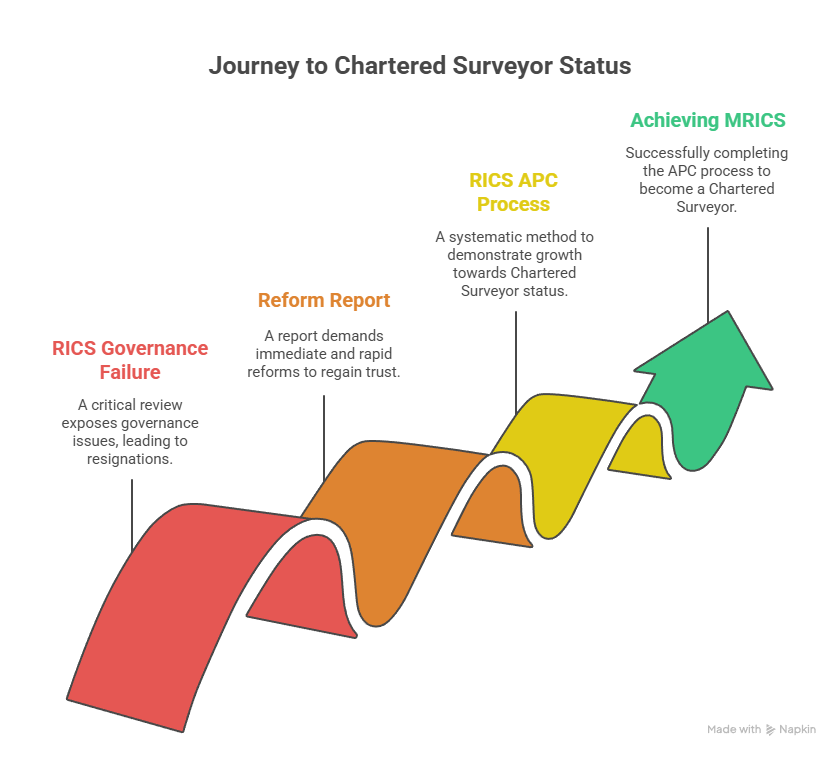

Top RICS Assessment and Best RICS Membership Guide
For professionals working in property, construction, and land-related industries, RICS Membership represents a globally recognised benchmark of competence and integrity. Achieving this status requires successfully completing the RICS Assessment, a rigorous process designed to ensure members meet international professional and ethical standards.
Overview of RICS Membership
RICS Membership is awarded by the Royal Institution of Chartered Surveyors to individuals who demonstrate the required education, experience, and professionalism. The most sought-after designation is MRICS (Chartered Surveyor), although alternative routes exist for senior professionals and specialists.
RICS members work across diverse sectors such as commercial property, valuation, quantity surveying, project management, facilities management, and infrastructure.
What Is the RICS Assessment?
The RICS Assessment is the formal evaluation process that candidates must pass to gain RICS Membership. Most applicants complete this through the Assessment of Professional Competence (APC), which measures both technical expertise and ethical awareness.
Key elements of the RICS Assessment include:
- Summary of Experience
Evidence of professional competence mapped against chosen RICS pathways.
- Case Study
A detailed written account demonstrating real-world problem-solving and professional judgment.
- Ethics Requirement
Completion of the ethics module and adherence to RICS Rules of Conduct.
- Final Interview
A structured discussion with assessors who test knowledge, ethics, and practical experience.
Benefits of RICS Membership
Completing the RICS Assessment and achieving RICS Membership offers long-term career benefits:
- Enhanced professional credibility
- International career mobility
- Higher earning potential
- Client and employer confidence
- Access to RICS guidance, research, and professional networks
RICS Membership also requires ongoing Continuing Professional Development (CPD), ensuring members stay current with industry changes.
Tips for Passing the RICS Assessment
Candidates preparing for the RICS Assessment should focus on:
- Selecting the correct competencies relevant to their role
- Gaining structured, supervised experience
- Understanding ethical obligations in practice
- Preparing thoroughly for the final assessment interview
- Seeking support from mentors or RICS-approved training providers
Consistent preparation and clear evidence of competence are essential for success.
Conclusion
The RICS Assessment is a challenging but achievable step toward RICS Membership . It validates a professional’s skills, ethics, and commitment to excellence. For those seeking global recognition and long-term career growth in the built environment, RICS Membership is a powerful professional credential.

You Might Like Also






