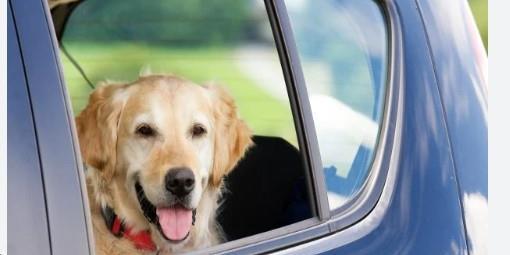

Taking a trip is exciting, but the thought of leaving a furry family member behind can be tough. The good news is, you might not have to. With a bit of planning, pet travel can be a smooth and enjoyable experience for both you and your companion. Whether you're planning a road trip or an international flight, bringing your pet along requires careful preparation.
This guide will walk you through everything you need to know to ensure a safe and stress-free journey. We’ll cover the essential steps, from visiting the vet and packing the right supplies to navigating airline rules and keeping your pet comfortable on the road. By the end, you'll have a comprehensive checklist to make your next adventure with your four-legged friend a resounding success.
First Stop: The Veterinarian
Before you even think about booking tickets, your first step should be a visit to the veterinarian. This is a critical part of planning any form of pet travel, as it ensures your pet is healthy enough for the journey and meets all legal requirements.
Health Check-Up and Vaccinations
Schedule an appointment with your vet well in advance of your trip. During this visit, the vet will perform a thorough health examination to confirm your pet is fit to travel. This is also the perfect time to ensure all vaccinations are up-to-date. Many destinations, and especially airlines, have strict vaccination requirements. Common required vaccines include rabies, distemper, and parvovirus for dogs, and feline viral rhinotracheitis for cats. Your vet will have a record of your pet's vaccination history and can administer any necessary boosters.
Health Certificates and Documentation
For most types of travel, particularly by air or across international borders, you will need a Certificate of Veterinary Inspection (CVI), also known as a health certificate. This official document, signed by an accredited veterinarian, confirms that your pet is healthy and free from contagious diseases.
The validity period for a health certificate can be short—often just 10 days—so timing your vet visit is crucial. If you're traveling internationally, the requirements can be much more complex, often involving specific government-endorsed forms and sometimes even blood tests. Research your destination's specific requirements months in advance to avoid any last-minute complications.
Microchipping
If your pet isn't already microchipped, now is the perfect time to do it. A microchip is a tiny electronic chip, about the size of a grain of rice, that is implanted under your pet's skin. It contains a unique identification number that can be scanned by a vet or animal shelter. Should you and your pet get separated during your travels, a microchip dramatically increases the chances of being reunited. Make sure your contact information linked to the chip is current before you leave.
Packing for Your Pet
Just like you pack a suitcase for yourself, your pet needs a travel bag with all their essentials. Having familiar items can also help reduce their anxiety in a new environment.
The Essentials Checklist
Here’s a list of must-have items to pack for your pet:
- Food and Water: Pack enough of your pet's regular food to last the entire trip, plus a little extra in case of delays. Abruptly changing your pet's diet can lead to digestive issues. Bring a supply of bottled water as well, as water in different locations can sometimes upset a pet's stomach. Collapsible food and water bowls are a space-saving essential for pet travel.
- Medications: If your pet takes any regular medications, pack more than enough for the trip. It's also a good idea to bring a copy of the prescription.
- Collar, Leash, and ID Tags: Ensure your pet wears a collar with up-to-date ID tags at all times. The tags should include your pet's name, your phone number, and an alternate contact. A sturdy leash is, of course, a necessity.
- Waste Bags and Litter Box: For dogs, bring plenty of waste bags. For cats, a small, disposable litter box and litter will be necessary for hotel rooms or longer stays.
- Comfort Items: A favorite toy, blanket, or bed can provide a sense of familiarity and comfort in an unfamiliar setting. These familiar smells can help soothe an anxious pet.
- Grooming Supplies: A brush, pet wipes, and any other grooming tools you regularly use can help keep your pet clean and comfortable on the go.
- First-Aid Kit: You can buy a pre-made pet first-aid kit or assemble your own. Include items like antiseptic wipes, gauze, adhesive tape, and any pet-specific emergency medications your vet recommends.
Navigating Air Travel with Pets
Flying with a pet requires the most preparation. Airlines have specific rules and regulations to ensure the safety of all animals and passengers on board.
In-Cabin vs. Cargo
The first decision is whether your pet will fly in the cabin with you or in the cargo hold.
- In-Cabin: Small dogs and cats are often allowed to travel in the cabin, provided their carrier fits under the seat in front of you. Most airlines have weight restrictions, typically around 20 pounds (including the carrier). This is the safest and most recommended option for small pets, as you can monitor them throughout the flight.
- Cargo: Larger pets must travel in the cargo hold, which is a pressurized, temperature-controlled environment. While airlines have procedures to ensure their safety, it can be a stressful experience for an animal. Avoid this option during extreme hot or cold weather, and always book a direct flight if possible to minimize the time your pet spends in cargo.
Choosing an Airline-Approved Carrier
Whether your pet is in the cabin or cargo, you'll need an airline-approved carrier.
- For In-Cabin Travel: The carrier must be soft-sided, well-ventilated, leak-proof, and small enough to fit under the seat. Check the airline's specific dimension requirements before purchasing one.
- For Cargo Travel: The crate must be hard-sided, made of rigid plastic, and have a metal door. It needs to be large enough for your pet to stand, turn around, and lie down comfortably. The carrier must be clearly labeled with "Live Animal" stickers and your contact information.
Booking and Pre-Flight Preparations
Book your pet’s spot on the flight early, as airlines limit the number of animals allowed per flight. You will typically pay a separate fee for pet travel. On the day of the trip, avoid feeding your pet a large meal before flying to prevent an upset stomach. A light meal a few hours before departure is usually fine. Make sure they have a chance to relieve themselves right before you head to the airport.
Hitting the Road: Car Travel Tips
Road trips offer more flexibility for pet travel, but they still require planning to ensure your pet is safe and comfortable.
Securing Your Pet in the Vehicle
An unrestrained pet can be a major distraction and a serious safety hazard in an accident. Never let your pet roam freely in the car or sit on your lap while you're driving. Use one of these methods to keep them secure:
- Crate or Carrier: This is the safest way for a pet to travel in a car. Secure the crate with a seatbelt or place it in the cargo area of an SUV.
- Pet Seatbelt/Harness: A specially designed car harness attaches to a seatbelt and keeps your dog safely in their seat.
- Car Seat or Booster: For smaller dogs, a pet car seat can give them a boost to see out the window while keeping them securely contained.
Planning for Pit Stops
Plan to stop every 2-3 hours to give your pet a chance to stretch their legs, drink some water, and relieve themselves. Never, ever leave your pet unattended in a parked car. Even on a mild day, the temperature inside a car can quickly rise to dangerous levels.
Finding Pet-Friendly Accommodations
Not all hotels and rental properties welcome pets, so it's essential to book your accommodations in advance. Websites like BringFido, Pet-Friendly-Hotels.net, and even filters on sites like Airbnb and Vrbo can help you find places that allow pets. Always call ahead to confirm their pet policy, as some may have size restrictions or charge extra fees. When you arrive, be a courteous guest by keeping your pet quiet, cleaning up after them, and never leaving them alone in the room unless it's explicitly permitted.
Your Next Adventure Awaits
Traveling with your pet can create wonderful memories that last a lifetime. While it requires extra planning and attention to detail, the joy of sharing an adventure with your furry companion is well worth the effort. By following these guidelines for safe pet travel, you can ensure the journey is as enjoyable for them as it is for you. So, pack their bags, grab the leash, and get ready to explore the world together.




