Understanding Liver Health and Its Challenges

September 26, 2025
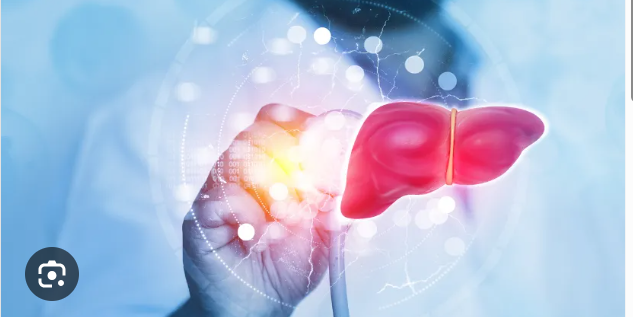
The liver is one of the most vital organs in the human body, responsible for numerous functions including detoxification, protein synthesis, and aiding digestion. Maintaining liver health is crucial for overall well-being, yet certain conditions, such as 肝癌, can severely compromise its functionality. Awareness and early intervention are key to reducing risks and improving outcomes.
Functions of the Liver
The liver performs over 500 essential tasks. Some of the major functions include:
- Detoxification: The liver filters toxins from the blood, including alcohol and harmful substances.
- Metabolism: It regulates carbohydrate, protein, and fat metabolism, converting nutrients into energy.
- Bile Production: Bile helps break down fats and absorb fat-soluble vitamins like A, D, E, and K.
- Storage: The liver stores vitamins, minerals, and glycogen, ensuring the body has reserves during fasting or illness.
Understanding these functions helps highlight why liver diseases, such as 肝癌 have a profound impact on overall health.
Common Causes of Liver Complications
Several factors can contribute to liver problems. Chronic hepatitis infections, excessive alcohol consumption, fatty liver disease, and genetic conditions often play significant roles. Among these, viral hepatitis B and C are particularly associated with liver cancer development. Additionally, lifestyle choices, including diet and physical inactivity, can exacerbate the risk of developing serious liver conditions.
Symptoms to Watch For
Early stages of liver complications are often silent, making it essential to monitor for subtle changes. Some common symptoms include:
- Unexplained fatigue and weakness
- Loss of appetite and unintentional weight loss
- Jaundice, characterized by yellowing of the skin and eyes
- Abdominal pain or swelling, particularly in the upper right quadrant
- Nausea and vomiting
If these symptoms persist, consulting a healthcare professional is crucial for timely diagnosis and management.
The Role of Screening and Diagnosis
Early detection significantly improves treatment outcomes. Routine screening for individuals at high risk, such as those with chronic hepatitis or a family history of liver disease, is recommended. Diagnostic methods often include:
- Blood Tests: Checking liver enzymes, bilirubin levels, and tumor markers.
- Imaging: Ultrasound, CT scans, and MRI can identify abnormal growths or changes in liver tissue.
- Biopsy: A small tissue sample may be taken for microscopic examination to confirm the presence of cancer cells.
Timely diagnosis allows patients to access treatments before the disease progresses.
Treatment Options and Innovations
Treatment depends on the stage and severity of the liver condition. Options for managing 肝癌 include:
- Surgical Intervention: Removing cancerous sections or performing liver transplants in severe cases.
- Radiation Therapy: Targeted radiation helps shrink tumors and control disease spread.
- Chemotherapy: Drugs can slow tumor growth and relieve symptoms.
- Targeted Therapy: Advances in molecular medicine allow treatment specifically aimed at cancer cells while sparing healthy tissue.
Emerging research in immunotherapy and personalized medicine is providing new hope for patients by enhancing the body’s immune response against cancer cells.
Lifestyle Measures for Liver Health
Prevention plays a significant role in maintaining liver health. Incorporating healthy habits can reduce the risk of liver complications:
- Maintaining a balanced diet rich in vegetables, fruits, lean proteins, and whole grains.
- Limiting alcohol intake and avoiding harmful substances.
- Engaging in regular physical activity to manage weight and improve metabolism.
- Ensuring vaccinations against hepatitis B.
- Regular medical checkups and monitoring liver function, especially for high-risk individuals.
These proactive measures support liver resilience and can complement medical treatments if issues arise.
Support Systems and Emotional Wellbeing
Dealing with serious liver conditions can be challenging both physically and emotionally. Access to support networks, including family, counseling, and patient groups, can improve quality of life. Education about the disease, its treatments, and coping strategies also empowers patients and caregivers to navigate the journey more effectively.
Future Perspectives in Liver Disease Management
Medical research continues to explore innovative solutions for liver health. Advancements in regenerative medicine, gene therapy, and non-invasive diagnostic technologies are promising. These innovations aim not only to treat existing conditions but also to prevent disease onset, ensuring healthier outcomes for future generations.
Conclusion
Liver health is essential for overall vitality, and conditions such as 肝癌 emphasize the need for awareness, early detection, and comprehensive care. By combining medical treatment with lifestyle measures and emotional support, individuals can significantly improve outcomes and maintain a better quality of life. Understanding the liver, its functions, and the risks it faces empowers people to take proactive steps toward long-term wellness.




