Understanding The Concept Of A Cloud Kitchen

August 12, 2025
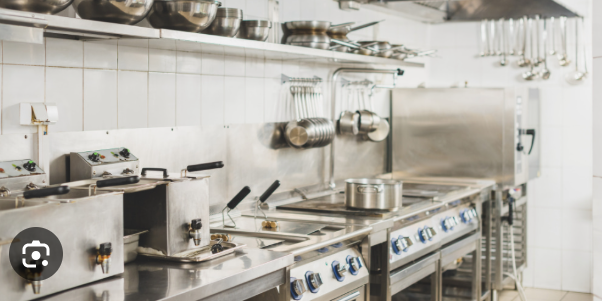
A cloud kitchen is a commercial kitchen space that focuses solely on food preparation for delivery or takeaway without any dine-in facilities. This innovative model has transformed the food & beverage industry by offering businesses a low-cost, flexible way to reach customers primarily through online platforms. The rise of cloud kitchens is largely driven by the growing demand for convenient food delivery and changes in consumer behavior.
Benefits Of Operating A Cloud Kitchen
Lower Initial Investment
Unlike traditional restaurants, cloud kitchens do not require expensive dining areas or front-of-house staff. This significantly reduces startup costs, making it easier for entrepreneurs to enter the market.
Enhanced Operational Efficiency
Cloud kitchens are designed specifically for food production and delivery, allowing streamlined workflows that improve speed and consistency. By focusing on a limited menu optimized for delivery, these kitchens can increase productivity.
Flexibility And Scalability
Food businesses can launch multiple brands or cuisines from a single cloud kitchen location. This allows quick experimentation and expansion without the need to open new outlets.
Access To Larger Markets
With cloud kitchens relying on delivery platforms, businesses can reach customers far beyond their physical neighborhood. This wider reach helps increase sales and brand awareness.
How Cloud Kitchens Function
cloud kitchen receive orders through online platforms or mobile apps. Once an order is placed, the kitchen staff prepares the food which is then picked up by delivery drivers for swift distribution. This eliminates the need for physical storefronts and focuses resources entirely on food quality and timely delivery.
Types Of Cloud Kitchens
Independent Cloud Kitchens
These are single-brand kitchens that operate exclusively online, focusing on delivery and takeaway.
Multi-Brand Cloud Kitchens
Some kitchens host multiple virtual brands under one roof, sharing resources and kitchen space. This model maximizes efficiency and diversifies revenue streams.
Challenges Faced By Cloud Kitchens
Despite their advantages, cloud kitchens face challenges such as high competition, reliance on third-party delivery platforms with their associated fees, and difficulty in building direct customer relationships without physical presence. Maintaining consistent food quality and managing logistics are also critical concerns.
Key Factors For Success In Cloud Kitchen Operations
Strategic Location
Choosing a kitchen location close to high-demand delivery areas reduces transit time and ensures food arrives fresh.
Menu Design
Offering items that travel well and retain quality after delivery is crucial. Menus should focus on simplicity and consistency.
Technology Integration
Implementing efficient order management systems and partnering with reliable delivery services ensures smooth operations.
Food Safety And Hygiene
Strict adherence to food safety protocols is vital for customer trust and regulatory compliance.
Future Trends In Cloud Kitchens
Cloud kitchens are evolving with technologies such as AI for demand forecasting, contactless delivery innovations, and sustainable packaging solutions. The integration of data analytics helps kitchens optimize inventory and reduce waste.
Conclusion
The cloud kitchen model is reshaping the food & beverage industry by providing cost-effective, scalable, and efficient solutions for modern food businesses. Entrepreneurs who leverage this model effectively can capitalize on changing consumer preferences and the growing food delivery market.




