Unlocking the Value of Points in Modern Travel: A Complete Guide

July 01, 2025
In the ever-evolving world of travel and hospitality, there’s one form of virtual currency that continues to gain traction: points. These seemingly small rewards can translate into free flights, luxury hotel stays, and unforgettable experiences—if used wisely.
Whether you’re a frequent flyer, a business traveler, or someone planning a dream vacation, understanding how points work and how to maximize their value can significantly reduce travel costs and elevate your journey.
This guide dives deep into what points mean in the context of travel, where to earn them, how to use them smartly, and the common mistakes travelers make when managing their rewards.
What Are Points in Travel and Hospitality?
Points in the travel industry are digital credits that travelers earn through loyalty programs offered by airlines, hotels, travel agencies, and credit card companies. These points act like rewards that can be collected, stored, and redeemed for services, products, or upgrades.
They are part of a broader ecosystem of loyalty marketing that encourages repeat business. While points don’t carry monetary value in the traditional sense, their potential savings and benefits can be considerable when properly redeemed.
Types of Travel Points and Where You Earn Them
There are several types of travel-related points and understanding where they come from is the first step toward maximizing their use.
1. Airline Loyalty Points
Most airlines have a frequent flyer program that awards points for each mile traveled or dollar spent. These points can be redeemed for free flights, priority boarding, and access to exclusive lounges.
Popular examples include:
- Delta SkyMiles
- British Airways Avios
- Qatar Airways Privilege Club Qmiles
2. Hotel Loyalty Points
Major hotel chains also offer reward systems that give points for every night stayed or dollar spent on accommodations, food, or spa services.
Well-known programs include:
- Hilton Honors
- Marriott Bonvoy
- IHG One Rewards
3. Credit Card Points
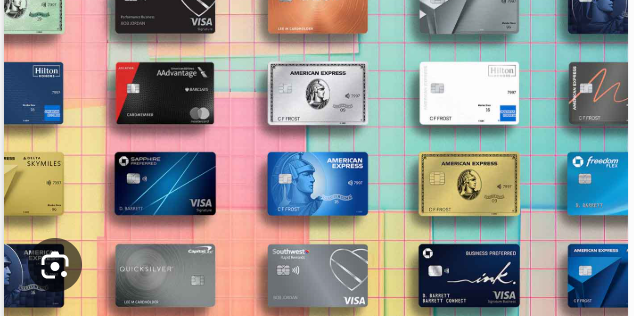
Some travel-focused credit cards allow users to earn points on all purchases, with extra bonuses for spending in travel categories. These points can often be transferred to airline or hotel programs or used for direct travel bookings.
Examples:
- Chase Ultimate Rewards
- American Express Membership Rewards
- Citi ThankYou Points
4. Booking Platform Points
Online travel agencies like Expedia or Booking.com offer points for each booking, which can be redeemed for discounts or future stays.
How to Accumulate Points Faster
Building a healthy balance of points doesn’t necessarily mean traveling non-stop. There are several strategies to speed up the accumulation process:
● Use the Right Credit Card
Many travel credit cards offer welcome bonuses that can yield tens of thousands of points just by meeting a spending threshold in the first few months.
● Double or Triple Dip
Link your airline, hotel, and credit card accounts to earn points in multiple places for a single transaction. For example, book a flight using a travel rewards card and earn from both the airline and card issuer.
● Take Advantage of Promotions
Sign up for newsletters from airlines and hotels to be alerted to limited-time offers. These often include double points promotions or bonus points for specific destinations.
● Shop Through Reward Portals
Many loyalty programs have shopping portals that offer points for purchases made with partner brands, allowing you to earn while buying everyday items.
Smart Ways to Redeem Points
Collecting points is only half the equation. Redeeming them wisely can provide immense value.
✈ Book Award Flights
This is one of the most common and valuable redemptions. A round-trip flight that would normally cost $800 might be available for 50,000 points, giving you exceptional return on your rewards.
🏨 Get Free or Upgraded Hotel Stays
Use points to book standard rooms or, for even more value, to upgrade to suites or access exclusive club levels.
🎁 Combine Points and Cash
Some programs allow you to split payments between points and cash, which offers more flexibility and helps stretch your rewards further.
🎟 Book Experiences
Programs like Marriott Bonvoy Moments allow you to redeem points for curated experiences—cooking classes with world-renowned chefs, backstage concert passes, or VIP sports events.
Real-Life Example: How One Traveler Used Points for a Dream Vacation
Sarah, a digital marketing consultant from Singapore, regularly traveled for business. Over two years, she earned:
- 60,000 airline points through regular flights
- 80,000 hotel points via frequent stays
- 50,000 credit card points from personal spending
She strategically redeemed her accumulated rewards to cover:
- A business class flight to London
- A five-night stay at a luxury hotel in Covent Garden
- Dining and spa credits during her stay
Her total out-of-pocket cost was under $500 for a vacation that would have otherwise cost over $5,000. All made possible by understanding the power of points.
Mistakes to Avoid When Using Points
Many travelers make simple mistakes that reduce the value of their points. Here’s what to avoid:
❌ Hoarding for Too Long
Points can lose value over time due to inflation or devaluation of rewards programs. Use them strategically rather than endlessly saving.
❌ Redeeming for Low-Value Items
It might be tempting to use points for merchandise or gift cards, but these often provide lower value per point compared to travel redemptions.
❌ Letting Points Expire
Always check expiration rules. Some programs reset the clock every time you earn or redeem, while others require specific actions to keep points active.
❌ Booking Through Third Parties
Booking directly with airlines or hotels often results in more points than using third-party sites, which may not qualify for loyalty rewards.
Future Trends: What’s Next for Points in Travel?
The future of points in the travel industry looks more dynamic and customer-centric:
- Personalized Recommendations: AI-driven platforms will suggest optimized redemptions based on user habits.
- Sustainability Integration: Some programs may allow redemptions for carbon offsets or green travel choices.
- Seamless Transfers: Cross-brand collaborations may enable faster and easier points transfers, giving users more redemption flexibility.
Conclusion
In today’s digital-first, experience-driven world, points are not just incentives—they’re assets. They represent opportunities to enhance your travel lifestyle without overspending. Whether it’s a flight upgrade, a weekend getaway, or access to an unforgettable event, the right use of points can make it happen.
By choosing the right programs, earning efficiently, and redeeming wisely, travelers can turn everyday expenses and regular journeys into extraordinary adventures.




