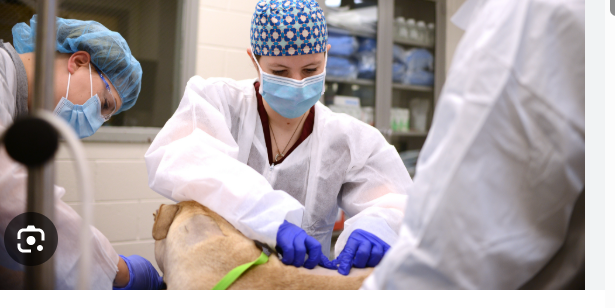
Vet Surgery: Essential Aspects of Animal Care

August 10, 2025
Understanding Vet Surgery
Vet surgery is a specialized branch of animal care focused on diagnosing and treating various conditions through surgical procedures. It plays a vital role in maintaining the health and wellbeing of animals, ranging from household pets to farm animals and exotic species. Surgical interventions can be necessary for a variety of reasons, including injury repair, disease treatment, and preventive care.
Common Types of Vet Surgery
There are several types of vet surgery commonly performed in animal care. Routine procedures include spaying and neutering, which help control pet populations and reduce certain health risks. Other surgeries may involve tumor removals, fracture repairs, and abdominal operations. Emergency surgeries address trauma cases, such as wounds or internal injuries, requiring immediate attention to save the animal’s life.
Preparing for Vet Surgery
Preparation is crucial for the success of any vet surgery. This process involves a thorough medical examination and diagnostic tests to vet surgery assess the animal’s overall health and identify any risks. Blood work, imaging scans, and other evaluations help the veterinary team plan the procedure carefully. Additionally, animals may need to fast before surgery to prevent complications with anesthesia.
Anesthesia and Pain Management
Anesthesia is a fundamental part of vet surgery, ensuring that animals do not experience pain or stress during procedures. Veterinary professionals carefully calculate the appropriate dosage based on factors like the animal’s size, age, and health status. Monitoring equipment is used to track vital signs throughout the surgery, minimizing risks. Effective pain management post-surgery is equally important to promote comfort and recovery.
Surgical Techniques Used in Vet Surgery
The techniques used in vet surgery vary depending on the condition being treated. Traditional open surgeries are still widely performed, but minimally invasive methods such as laparoscopy are gaining popularity. These techniques reduce trauma and speed up recovery. The use of advanced surgical tools and sterilization protocols enhances precision and reduces the chance of infection.
Postoperative Care and Recovery
After vet surgery, proper postoperative care is essential to ensure healing and prevent complications. This includes wound care, administering medications, and restricting the animal’s physical activity. Owners must follow veterinary guidelines closely and monitor the animal for any signs of discomfort or infection. Regular follow-up visits are often necessary to assess recovery progress.
Challenges Faced in Vet Surgery
Vet surgery presents unique challenges that differ from human surgery. Animals cannot communicate their symptoms clearly, making diagnosis and pain assessment difficult. The diversity of species treated requires veterinarians to have extensive knowledge and adaptability. Emergencies often demand quick decisions under pressure, highlighting the importance of experience and skill in this field.
The Importance of Vet Surgery in Animal Welfare
Vet surgery significantly contributes to animal welfare by addressing health issues promptly and effectively. Procedures like spaying and neutering reduce overpopulation and improve animal quality of life. Corrective surgeries restore function and relieve pain, enhancing the wellbeing of pets and livestock. By maintaining healthy animal populations, vet surgery supports both individual animals and the wider community.
Future Trends in Vet Surgery
The future of vet surgery is promising with technological advancements improving outcomes. Innovations such as robotic surgery, enhanced imaging techniques, and better anesthesia options are revolutionizing the field. Telemedicine is expanding access to specialized surgical advice, especially in remote areas. Research into pain management and recovery protocols continues to evolve, aiming to provide the best care for animals.
Conclusion
Vet surgery remains a cornerstone of modern animal care, offering life-saving treatments and improving health outcomes for diverse animal species. From preparation and anesthesia to surgical techniques and postoperative care, every step is crucial for success. With ongoing advancements, vet surgery will continue to enhance animal welfare and meet the growing demands of the veterinary profession. This commitment ultimately benefits both animals and their human caregivers.




