
What Are the Best Practices for Noodle Drying Temperature Control?

March 07, 2026
Controlling the temperature when drying noodles is very important. If the temperature is too high or too low, the noodles won’t dry right. They might become too hard, too soft, or even break apart. When noodles dry evenly at the right temperature, they keep their good taste, texture, and shape. This is why companies like GYoung pay close attention to the heat during drying. Drying noodles is not just about making them dry. It’s about keeping their quality so customers enjoy eating them. Every step in the drying process needs to work well, and temperature control plays a big part.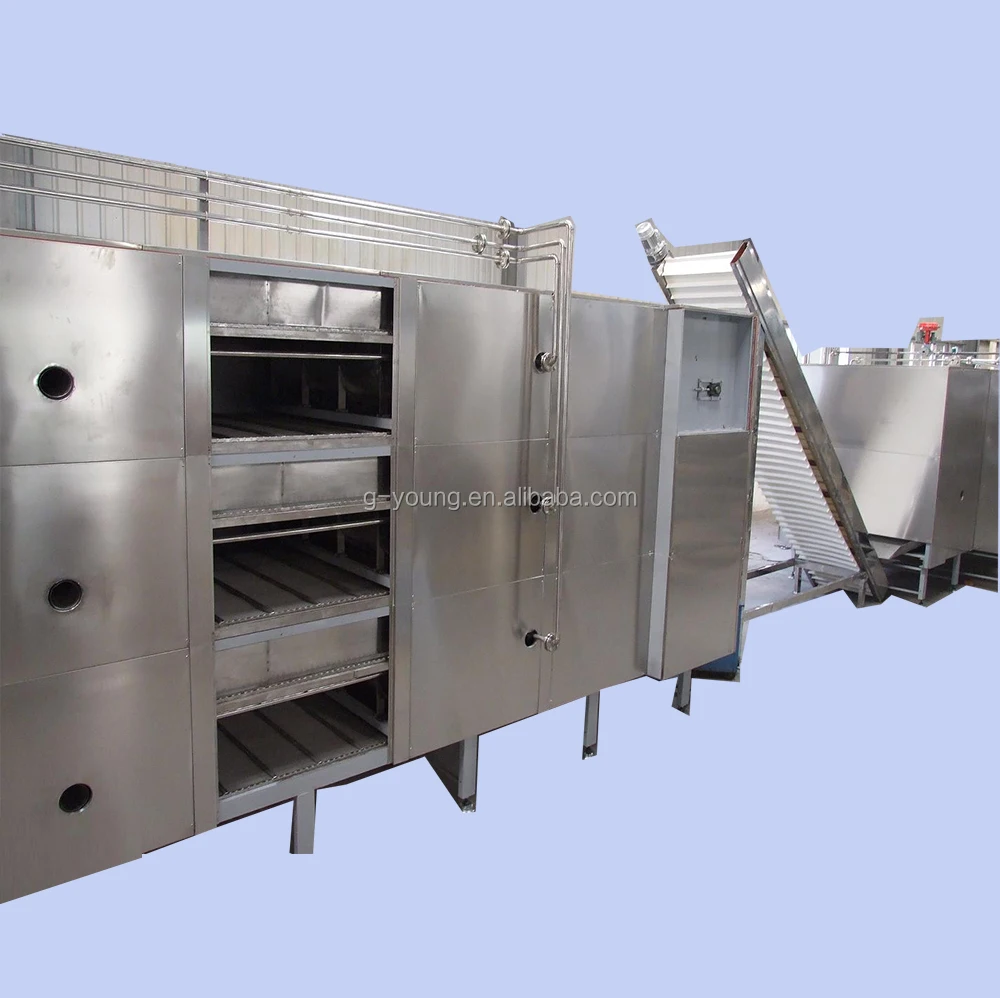
How to Control Noodle Drying Temperature for Consistent Product Quality?
When drying noodles, keeping the temperature steady matters a lot. If the heat jumps up and down, noodles dry unevenly. Some parts dry faster, others stay wet. This causes problems like mold or noodles that break when cooked. GYoung uses special sensors to watch the temperature all the time. These sensors send information so the heating system can adjust right away. For example, if it gets too hot, the system cools down a bit. If it’s too cool, it heats more. This way, noodles dry slowly and evenly. Another important thing is air flow. If air moves too fast or too slow, it changes Fried instant noodle machine how heat reaches each noodle. GYoung designs dryers to keep the air moving just right. Also, the size and thickness of the noodles matter. Thin noodles dry faster, so the temperature might be lower. Thicker noodles need more heat but carefully so they don’t get too hard outside and stay soft inside. Sometimes, drying happens in steps. The temperature starts low to dry moisture near the surface. Then, it slowly rises to remove water inside without cracking noodles. This careful control helps keep noodles from breaking or losing flavor. Machines made by GYoung help control these steps with precision. People working with these machines also check noodles often. They see if the texture feels right or if noodles look dry enough. This human check helps catch problems machines might miss. So, controlling temperature means using good tools, smart machines, and careful watching. All these parts must work together to make noodles perfect every time.
What Is the Best Temperature Range for Wholesale Noodle Drying Efficiency?
Finding the right temperature range is tricky but very important for drying noodles in big amounts. Too hot, noodles cook or burn on the outside while staying wet inside. Too cold, drying takes too long and costs more money. GYoung recommends a temperature that usually stays between 40°C and 60°C (about 104°F to 140°F) during most of the drying time. This range is warm enough to dry noodles quickly without hurting their texture. For example, at 50°C, noodles lose water evenly, keeping their softness and shape. But this can change depending on noodle type. For wheat noodles, the range might be a bit different than for rice noodles. Also, humidity inside the drying room matters. If humidity is high, temperature alone can’t dry noodles well. GYoung’s drying systems control both heat and humidity together. When humidity drops, noodles dry faster. The air must not be too dry either because noodles can get too brittle and break. Drying speed also affects quality. Drying too fast at higher temperatures can cause cracks or holes in noodles. Drying too slow wastes energy and time. GYoung machines balance Non-fried instant noodle machine this by adjusting temperature based on how much moisture is left in noodles. This smart temperature control saves energy and keeps noodle quality good even when drying lots at once. In big noodle factories, drying happens in large rooms with many noodles stacked. Heat must reach every noodle evenly. GYoung designs airflow and heating systems to spread warmth and keep temperature steady everywhere. This careful planning helps avoid some noodles over-drying while others stay wet. So, the right temperature range isn’t a fixed number but a smart balance. It depends on noodle type, thickness, humidity, and drying time. Using GYoung’s advanced drying machines helps find this balance and makes sure noodles come out good every batch.
How Does Temperature Variation Impact Wholesale Noodle Drying Outcomes?
When making noodles in large amounts, it is very important to control the temperature during the drying process. Drying noodles means removing the moisture inside them so they last longer and stay fresh. If the temperature changes too much, it can cause problems with the noodles. For example, if the temperature is too high, the noodles might dry too fast on the outside but stay wet inside. This can make the noodles break easily or become soft when cooked later. On the other hand, if the temperature is too low, the noodles will take a long time to dry. This slow drying can cause the noodles to get moldy or spoiled because there is still moisture inside. Also, uneven temperature can lead to noodles drying at different rates. Some noodles might be too hard or too soft compared to others, which is not good for wholesale buyers who want consistent quality. At GYoung, we understand how important it is to keep the drying temperature steady. When the temperature is controlled well, the noodles keep their shape, texture, and taste. This means customers who buy noodles in bulk get a product that cooks well and tastes just right every time. Temperature affects not only how noodles look and feel but also how long they can be stored without going bad. By avoiding big temperature changes during drying, GYoung helps ensure noodles stay safe and tasty for longer. Good temperature control also helps save energy because the drying machines don’t have to work too hard. Overall, controlling temperature in noodle drying is a key step that can make a big difference in the quality and safety of noodles made for wholesale buyers.
Where Can Wholesale Buyers Source Advanced Noodle Drying Equipment?
Wholesale buyers who want to get the best noodles need to find good drying machines that can control temperature properly. At GYoung, we offer advanced noodle drying equipment designed to keep the temperature just right. This kind of equipment uses smart technology to monitor and adjust heat during the drying process. Buyers can source these machines directly from us because we specialize in making equipment that fits the needs of large noodle producers. Our machines are built to handle big batches of noodles while keeping temperature stable and even. Advanced drying equipment from GYoung often includes features like automatic temperature sensors, timers, and airflow control. These features help make sure noodles dry evenly and Hand made noodle machine stay fresh. When buying drying equipment, wholesale buyers should look for machines that are easy to use and clean, so production can run smoothly every day. GYoung’s equipment is also energy-efficient, which means it uses less electricity and helps reduce costs. Buyers can contact GYoung to get advice on which drying machine fits their production size and noodle type. We also provide training and support to help users get the best results from our equipment. Finding the right noodle drying machine is important because it affects the quality of the noodles and how fast the production line moves. With GYoung’s advanced equipment, wholesale buyers can improve their noodle drying process and offer better products to their customers. By choosing reliable and smart drying machines, buyers make sure their noodles are dried at the best temperature, leading to consistent quality and higher satisfaction.
What Temperature Control Practices Ensure High-Quality Wholesale Noodle Production?
To produce high-quality noodles in large amounts, controlling the drying temperature is very important. At GYoung, we recommend some simple but effective practices that help keep temperature steady during noodle drying. First, always use temperature sensors placed inside the drying chamber. These sensors allow the machines to check the heat level often and adjust it when needed. This way, noodles dry evenly without getting too hot or staying too wet. Second, regulate airflow carefully. Good airflow helps spread heat around the noodles so they dry at the same speed. GYoung’s drying equipment includes fans and vents that can be changed to get the best airflow for different noodle types. Third, avoid sudden temperature changes by warming up the drying chamber slowly before starting the process. This helps noodles adapt to the heat and reduces the chance of cracks or damage. Fourth, monitor humidity as well as temperature. Sometimes, noodles need not only heat but the right amount of moisture in the air to dry properly. GYoung machines can control both temperature and humidity together for the best results. Lastly, clean and maintain the drying equipment regularly. Dirty machines can cause uneven heat or block airflow, which hurts noodle quality. Following these temperature control practices helps wholesale producers make noodles that are strong, tasty, and uniform in quality. GYoung supports customers with clear instructions and tools to follow these steps easily. By using these best practices, wholesale noodle production becomes more efficient and produces noodles that customers love. Proper temperature control with the right equipment is the secret to turning fresh dough into perfect dried noodles every time.

You Might Like Also






