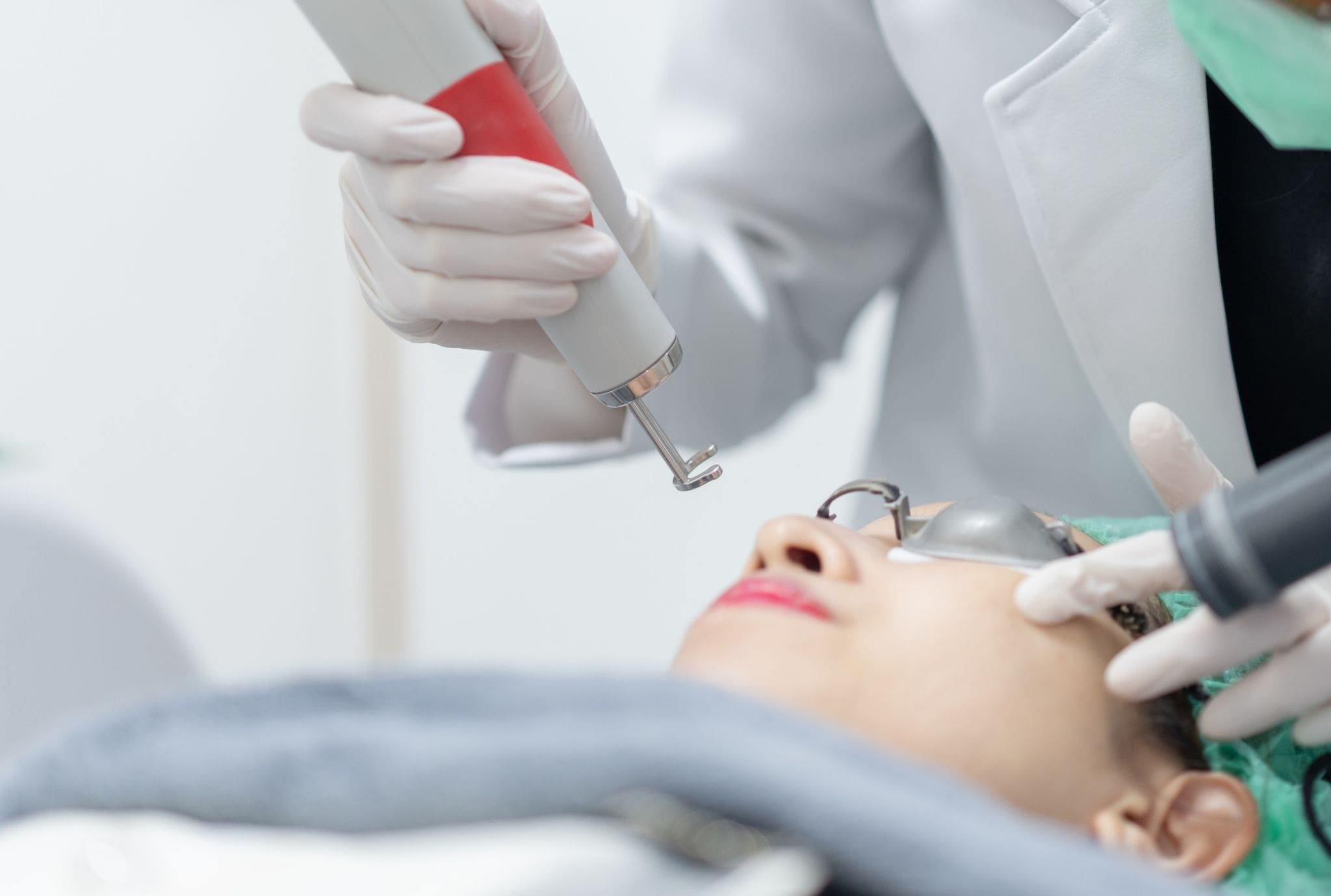
Laser hair bleaching is a cosmetic approach that aims to make unwanted body hair less noticeable without necessarily removing it. Understanding its limitations helps people choose suitable hair-management options based on their skin type, hair colour, and expectations. For those exploring Laser Hair Bleaching in Dubai, information shared by Dynamic Clinic in Dubai can provide an advertorial starting point for learning about available cosmetic approaches and their considerations.
How Does Laser Hair Bleaching Differ From Hair Removal?
One important limitation is that bleaching and hair removal are not the same process. Hair bleaching generally changes the colour of visible hair, making it less noticeable against the surrounding skin. It does not necessarily destroy hair follicles or prevent future growth.
Traditional hair removal methods, such as laser hair reduction, target hair follicles to reduce hair growth over time. Bleaching, on the other hand, focuses on the appearance of existing hair.
This distinction matters because people expecting permanent hair reduction may be disappointed if they choose a treatment that only changes hair visibility.
1. Results Depend on Natural Hair Colour
Hair colour plays an important role in determining how effective a bleaching approach may appear. Dark, coarse hair can remain noticeable even after its colour has been lightened.
Some limitations include:
Very dark hair may still create a visible shadow.
Thick hair may remain noticeable because of its texture.
Uneven natural hair colour can lead to inconsistent results.
New hair growth may have a different appearance from treated hair.
The contrast between hair and skin also affects how visible the final result looks.
2. It Does Not Stop Hair Growth
Laser hair bleaching should not be confused with treatments designed to reduce follicular activity. Changing the appearance of hair does not automatically affect the biological processes responsible for hair growth.
Hair continues to follow its natural growth cycle, which includes:
Anagen: The active growth phase.
Catagen: The transitional phase.
Telogen: The resting phase.
As new hair develops, its original colour and texture may become visible. This means maintenance may be necessary to keep the appearance consistent.
3. Skin Sensitivity Can Limit Suitability
Skin sensitivity is another important consideration. Cosmetic procedures involving light-based technology or chemical bleaching agents may cause unwanted reactions in some individuals.
Possible temporary reactions include:
Redness or mild irritation.
Itching or dryness.
Increased skin sensitivity.
Temporary discomfort.
Changes in pigmentation in susceptible skin.
People with eczema, dermatitis, active infections, or recently irritated skin should seek professional advice before considering a cosmetic procedure.
4. Results May Vary Across Different Body Areas
Hair characteristics are not identical across the body. Facial hair, arm hair, underarm hair, and leg hair can differ in thickness, density, and pigmentation.
These differences may influence how noticeable any cosmetic change becomes.
For example, fine facial hair may respond differently to a bleaching approach than thick hair on the arms or legs. Areas exposed to frequent friction, shaving, or environmental irritation may also require additional care.
A single approach may therefore not produce the same visual outcome across every body area.
5. It Cannot Address Every Hair-Related Concern
Another limitation is that bleaching focuses mainly on hair appearance. It does not address several concerns associated with unwanted hair.
It does not directly treat:
Ingrown hairs beneath the skin.
Folliculitis or inflamed hair follicles.
Excessive hair growth caused by hormonal changes.
Rough skin texture associated with repeated shaving.
Skin darkening caused by irritation or inflammation.
People experiencing sudden or excessive hair growth may benefit from medical assessment to identify possible underlying causes.
6. Sun Exposure Can Affect Skin Comfort
In Dubai, strong sunlight and high temperatures make skin protection particularly important when considering cosmetic treatments. Sun exposure can increase skin sensitivity, particularly when the skin has recently undergone an irritating procedure.
Excessive exposure may contribute to redness, irritation, and pigmentation concerns.
Useful precautions include:
Applying broad-spectrum sunscreen when appropriate.
Avoiding excessive direct sunlight.
Following recommended post-treatment instructions.
Avoiding harsh exfoliating products on sensitive skin.
Keeping the treated area clean and moisturised.
These precautions can help support skin comfort and reduce avoidable irritation.
7. Long-Term Results Require Realistic Expectations
Hair bleaching does not provide permanent changes to hair follicles. Natural growth, hormonal fluctuations, and individual hair characteristics can influence how frequently maintenance is needed.
People should also understand that repeated bleaching, particularly with chemical products, may increase the risk of dryness or irritation.
Before choosing an approach, it is useful to consider:
Whether the goal is lighter-looking hair or reduced hair growth.
How frequently maintenance may be required.
Whether the skin is suitable for the procedure.
Whether an alternative method better addresses the concern.
A realistic understanding of these factors helps prevent disappointment and supports informed cosmetic decisions.
How Can You Decide Whether Laser Hair Bleaching Is Suitable?
Suitability depends on individual skin and hair characteristics, treatment goals, and the technology or method being offered. The term laser hair bleaching should also be clarified during consultation because it is not interchangeable with conventional laser hair removal or chemical hair bleaching.
A qualified practitioner should explain the procedure, expected results, possible side effects, and available alternatives.
People with sensitive skin, pigmentation concerns, or a history of allergic reactions should discuss these factors before treatment. A patch test may also be recommended when topical bleaching products are involved.
Conclusion
Laser hair bleaching has limitations that are important to understand before choosing a cosmetic hair-management approach. It does not necessarily prevent hair growth, remove follicles, treat ingrown hairs, or address underlying skin conditions. Results can also vary according to hair colour, thickness, skin sensitivity, and the area being treated. Understanding the difference between bleaching and hair removal allows individuals to make informed decisions and choose an approach that matches their expectations.

You Might Like Also

Which Body Areas Are Suitable for Laser Hair Bleaching?

When Should Mesotherapy Be Avoided?

When Should Scar Laser Removal Results Be Reassessed?


Which Safety Considerations Matter Before Rosacea Treatment?

Which Safety Considerations Matter Before HIFU Treatment?