
What Is the Best Kumano Kodo Itinerary? Maps, Accommodation, and Travel Costs Explained

July 20, 2026
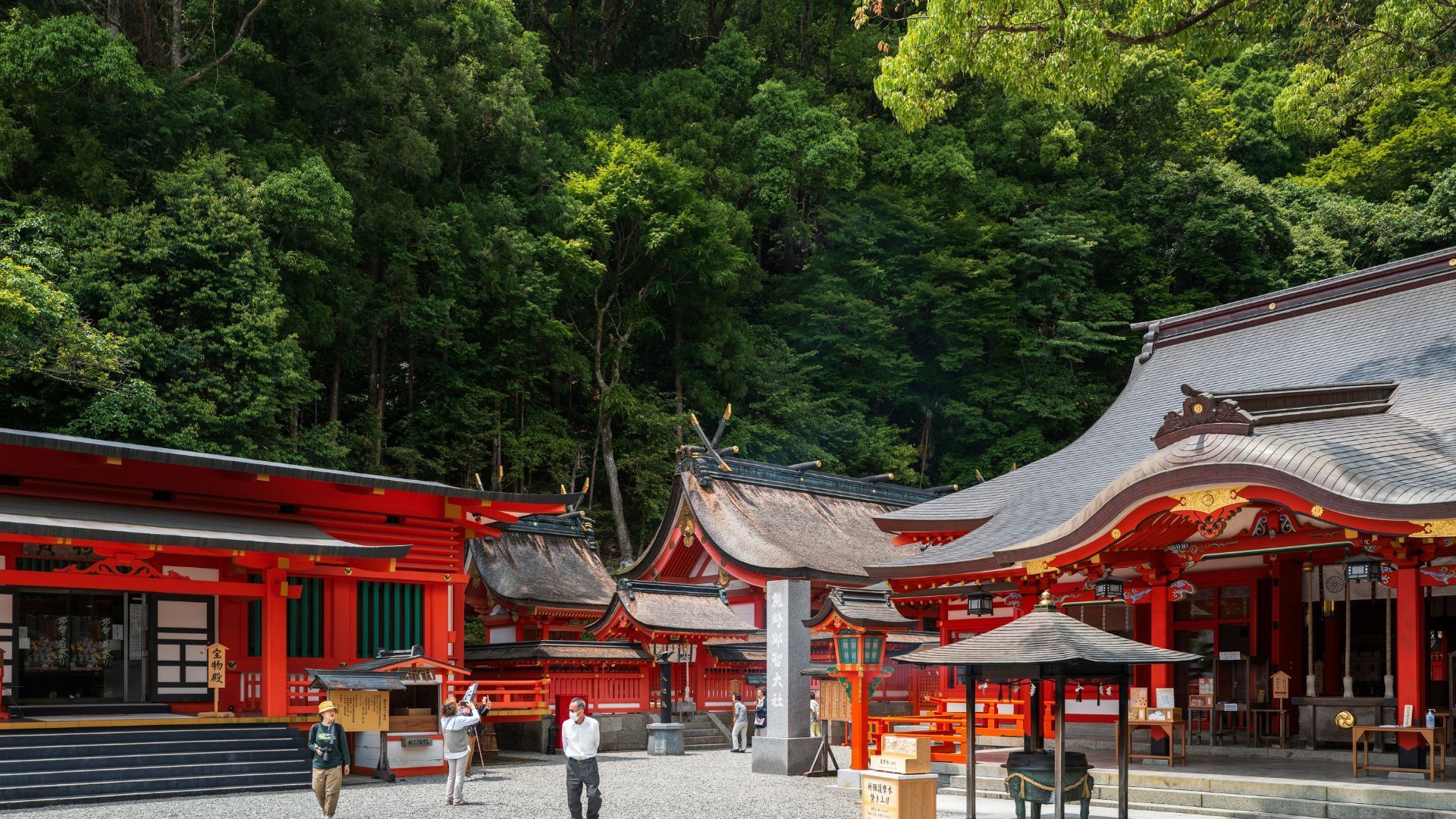
A Kumano Kodo itinerary involves hiking ancient pilgrimage routes in Japan's Kii Peninsula, mostly along the popular Nakahechi trail.
Most travelers spend four to five days completing the trek, using local maps to navigate between mountain shrines.
Expect to pay around $1,000 to $1,400 for a five-day self-guided trip covering traditional accommodation, meals, and bus travel.
What Is the Kumano Kodo Japan?
What is the Kumano Kodo Japan?
The Kumano Kodo Japan is a network of ancient pilgrimage trails spanning the mountainous Kii Peninsula. For over a thousand years, travelers have hiked these routes to visit the Kumano Sanzan, the three grand shrines, seeking spiritual purification and natural beauty.
Why Is the Kumano Kodo Japan Important?
The trails hold immense historical and cultural value for Japan. They offer a rare window into ancient spiritual practices.
Here is why this trail system stands out:
- UNESCO World Heritage Status: It is one of only two pilgrimage routes globally with this prestigious designation.
- Spiritual Heritage: It physically connects the three grand shrines, known collectively as the Kumano Sanzan.
- Cultural Preservation: The route sustains ancient traditions, traditional ryokan hospitality, and pristine forest conservation.
How Does the Kumano Kodo Japan Work?
Planning your trip requires coordinating maps, daily hiking distances, and nightly stays. The trail is completely self-guided.
Here is how to plan your journey:
- Choose Your Route: Most beginners select the Nakahechi route for a well-supported, four to five-day hike.
- Book Accommodations Early: Traditional minshuku (guesthouses) and ryokans fill up up to six months in advance.
- Use Luggage Shuttles: Courier services can transport your heavy bags between guesthouses every day.
- Follow Topographic Maps: Download English maps from the local tourism bureau to locate shrines, elevation changes, and bus stops.
What Are the Benefits of the Kumano Kodo Japan?
Walking the trail is physically rewarding. Hikers average 10 to 15 kilometers daily through towering cedar forests.
The cultural benefits are just as strong. You get to soak in historic healing hot springs, like those at Yunomine Onsen.
Finally, the culinary experience is incredible. Local accommodations serve elaborate, multi-course dinners and provide packed bento box lunches for the trail.
What Are the Common Mistakes People Make?
The biggest mistake is failing to book accommodation ahead of time. Guesthouses in tiny mountain villages are strictly limited, and camping is mostly prohibited.
Another major error is overpacking. Carrying a massive backpack over steep mountain passes will quickly ruin your experience.
Finally, relying entirely on credit cards will leave you stranded. Local buses and small village shops operate almost exclusively on cash.
How Can Beginners Get Started?
Start by outlining your budget and preferred comfort level. Your choice of accommodation will dictate your overall travel costs.
Below is a breakdown of what to expect for lodging:
Accommodation Type | Average Cost (Per Night) | What to Expect |
|---|---|---|
Minshuku (Guesthouse) | $80 - $120 | Simple rooms, shared bathrooms, and hearty home-cooked meals. |
Ryokan (Traditional Inn) | $150 - $250+ | Tatami mats, private hot springs (onsen), and premium dining. |
Hostel / Basecamp | $40 - $70 | Bunk beds, communal kitchens, and a great vibe for budget hikers. |
Expert Tips for Better Results
Always use the official Kumano Travel Bureau website for securing dynamic packages. They offer the most reliable booking system for remote villages.
Carry plenty of 100-yen coins and 1,000-yen bills. Bus drivers on rural routes cannot break large currency when you pay your fare.
Download offline maps to your phone before you arrive. Cell service drops frequently on the mountain passes between Hongu and Nachi.
Real-World Example or Case Study
Consider a couple hiking the standard five-day Nakahechi route from Takijiri-oji to Nachi Falls. They booked four months in advance and chose mid-range minshuku stays.
Their total cost came to approximately $1,400 for two people. This budget covered five nights of lodging, daily luggage transfers, train tickets from Osaka, and all trail meals. By hiking four to six hours a day and resting in local hot springs each evening, they perfectly balanced physical exertion with deep cultural immersion.
FAQ Section
How much does the Kumano Kodo cost?
A typical five-day trip costs between $1,000 and $1,400 per person. This estimate covers traditional accommodation, all meals, local bus fares, and daily luggage transfers.
Do I need a map for the Kumano Kodo?
Yes. While the main trails are well-marked, carrying an official topographical map helps you track elevation changes, locate bus stops, and find water refill stations safely.
Which route is best for beginners?
The Nakahechi route is the absolute best choice for beginners. It features the most accommodation options, clear English signage, and reliable luggage shuttle services.
Where do you stay on the Kumano Kodo?
Hikers usually sleep in minshuku (family-run guesthouses) or ryokans (traditional inns) located in small trailside villages like Chikatsuyu, Hongu, and Yunomine Onsen.
When is the best time to hike?
Spring (March to May) and autumn (September to November) offer the best conditions. You will enjoy comfortable hiking temperatures and stunning seasonal scenery.
Conclusion
Planning a successful Kumano Kodo itinerary requires booking accommodations early and understanding your daily route map. Whether you choose a simple guesthouse or a luxury ryokan, managing your travel costs is manageable with proper preparation. By hiking the popular Nakahechi route, you will experience Japan’s spiritual history safely and comfortably. Start outlining your travel dates today and secure your spot on this unforgettable historic pilgrimage.







