What Should You Know Before Starting an Excavation or Fill Dirt Project in Tulsa?

April 22, 2025
Excavation is the first significant step in bringing any land-based project to life, from new construction to backyard improvements. Before the digging begins, whether installing a new foundation, reshaping your landscape, or prepping a construction site, there are a few essential questions to ask.
In this article, we answer some of the most common excavation and fill dirt questions people have in Tulsa, Oklahoma. If you're thinking about hiring a contractor, purchasing fill dirt, or simply learning what it takes to prepare your land, this guide is for you.
What Does Excavation Involve?
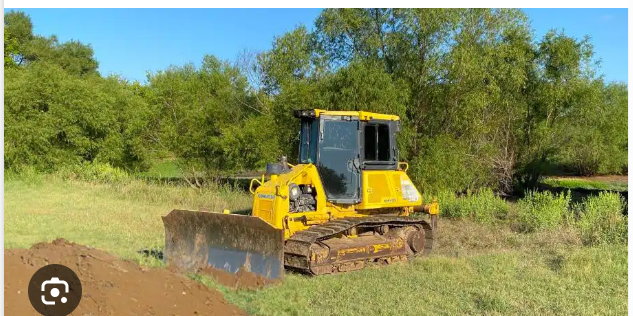
Excavation is moving earth, rock, or other materials using tools, equipment, or explosives. It’s a critical part of many construction and landscaping projects. In residential and commercial construction, excavation includes:
- Clearing and grubbing (removing vegetation, trees, and debris)
- Grading the land to create a level surface
- Trenching for utilities like water, gas, and electric
- Digging foundations or footings
- Backfilling after structures or pipes are installed
Excavation lays the groundwork for stability, safety, and structure. Getting it wrong can lead to drainage issues, soil shifting, or foundation problems later on.
Why Is Fill Dirt So Important?
Fill dirt is used to fill low areas, support building foundations, or shape terrain. Unlike topsoil, which contains organic material meant to grow plants, fill dirt is made of dry, compact subsoil. It contains little to no organic matter, which makes it ideal for stability and compaction.
You’ll need to fill dirt for a variety of situations, such as:
- Creating a level building surface
- Backfilling after excavation
- Filling in holes or uneven ground
- Building up land for drainage correction
- Creating berms or grading slopes
Because fill dirt plays such an essential role in long-term structural integrity, the source and quality of the dirt matter as much as the quantity.
Where Can You Get Quality Fill Dirt in Tulsa?
If you’re looking for Fill Dirt in Tulsa, OK, sourcing it from a trusted, local provider is essential. T&J Excavating operates a Tulsa-based dirt site that supplies screened and unscreened fill dirt to homeowners, contractors, and developers.
Screened fill dirt has been processed to remove rocks, roots, and debris, making it ideal for projects that require a smoother finish or more uniform compaction. Unscreened fill dirt is more economical and works well for large-scale filling with less critical finish quality.
Local sourcing means better quality control, more affordable delivery, and compatibility with Oklahoma soil.
What Should You Look for in an Excavation Contractor?
Choosing the right excavation company is one of your most important decisions. While it may seem like all excavation companies do the same thing, experience and attention to detail make a big difference in safety, efficiency, and long-term results.
Here are a few qualities to look for:
- Experience with local soil types and terrain
- A clear understanding of grading and drainage
- Proper licensing and insurance
- Modern, well-maintained equipment
- Clear communication and transparent pricing
T&J Excavating checks all these boxes. Their team brings years of hands-on experience in Oklahoma excavation and fill dirt projects. From residential jobs to commercial sites, they deliver precision work with straightforward service.
How Do You Know How Much Fill Dirt You Need?
The amount of fill dirt you need depends on the volume of the area you're filling. Volume is usually measured in cubic yards; one cubic yard covers a 10-foot by 10-foot area to a depth of 3 inches.
To calculate fill dirt needs:
- Measure the length, width, and depth (in feet) of the area to be filled.
- Multiply these numbers to get the total volume in cubic feet.
- Divide that number by 27 to convert to cubic yards.
For example:
- Area: 20 ft long x 10 ft wide x 1 ft deep = 200 cubic feet
- 200 ÷ 27 = 7.4 cubic yards of fill dirt
Adding 5-10% to your total for compaction or uneven terrain is often a good idea.
What’s the Difference Between Fill Dirt and Topsoil?
This is one of the most common points of confusion. While both are types of dirt, their uses and composition are very different.
- Fill dirt is subsoil that sits below topsoil. It has little to no organic material and is used for structure, not plant growth. It compacts well and doesn’t break down over time.
- Topsoil contains nutrients and organic matter that support plant growth. It's usually used for gardening, lawns, and finishing the top few inches of a landscape.
Using topsoil for structural applications can lead to settling and instability. Likewise, using fill dirt in your garden won’t support healthy plants. Knowing the difference ensures you get the right material for your project.
Can You Use Fill Dirt to Improve Drainage?
Yes—fill dirt is a key material for correcting poor drainage. If your yard or property tends to collect water or pool near your foundation, fill dirt can be used to regrade the area.
Here’s how it works:
- Identify low spots where water collects.
- Use fill dirt to raise the elevation of those areas.
- Create gentle slopes (a 2% grade is ideal) to direct water away from buildings.
T&J Excavating can assess your site and help develop a drainage plan that will prevent standing water and protect your structure long-term.
What Should You Expect During an Excavation Job?
Every excavation project follows a general process, though specifics vary depending on the scope. Here’s a general outline of what to expect:
- Site Evaluation: A contractor will review the property, survey the land, and identify any issues, such as underground utilities or access limitations.
- Estimate and Plan—You’ll receive a project plan and quote. Depending on your location and the size of the project, permits may be required.
- Mobilization – Equipment is brought to the site, and the work area is cleared of debris, trees, or old structures.
- Excavation Begins – Soil is removed or moved to shape the site according to the project requirements.
- Backfilling and Grading – Once the primary dig is complete, the site is filled, leveled, or compacted.
- Final Inspection – The contractor will walk through the job with you to ensure everything is complete and correct.
A good excavation contractor will inform you every step of the way and ensure the job site is safe and ready for the next phase.
How Much Does Fill Dirt or Excavation Cost?
Costs can vary depending on several factors:
- Size and complexity of the project
- Type of fill dirt needed (screened vs. unscreened)
- Delivery distance and fuel costs
- Accessibility of the job site
- Equipment requirements
While small projects like minor grading or a few loads of dirt can cost a few hundred dollars, larger excavation projects involving trenching, foundation prep, or major land reshaping can cost thousands.
The best way to get an accurate estimate is to contact a local excavation and fill dirt supplier like T&J Excavating for a quote based on your specific needs.
Final Thoughts: Why Planning Makes All the Difference
Excavation and fill dirt may not be the flashiest parts of your project, but they’re the foundation on which everything else is built. Starting with the right dirt, a well-thought-out site plan, and a reliable team can save time, prevent costly mistakes, and help your build stay on track.
Whether you’re building your dream home, updating a commercial property, or fixing a low spot in the yard, partnering with a team like T&J Excavating gives you the confidence to move forward—one bucket at a time.
If you’re ready to order Fill Dirt in Tulsa, OK, or schedule excavation services, visit their website today to learn more or request a quote.




