Mesotherapy is a non-surgical cosmetic procedure that involves injecting selected ingredients into the skin to address concerns such as uneven texture, dullness, and localised fat deposits. Understanding when the procedure may not be suitable is important before considering Mesotherapy Treatment in Dubai. Individuals researching aesthetic options through Dynamic Clinic in Dubai should also understand the health conditions and safety factors that may affect treatment suitability.
What Is Mesotherapy and How Does It Work?
Mesotherapy involves delivering small amounts of selected substances into the middle layer of the skin through multiple injections. Depending on the treatment purpose, formulations may contain vitamins, minerals, amino acids, enzymes, or other ingredients.
The procedure is used in different aesthetic applications, including:
Improving the appearance of dull or tired-looking skin.
Supporting skin hydration and texture.
Addressing certain concerns related to hair thinning.
Targeting localised fat deposits in specific treatment areas.
The ingredients, injection depth, and treatment approach depend on the individual's concerns. Since formulations can vary, assessing their safety is an important part of treatment planning.
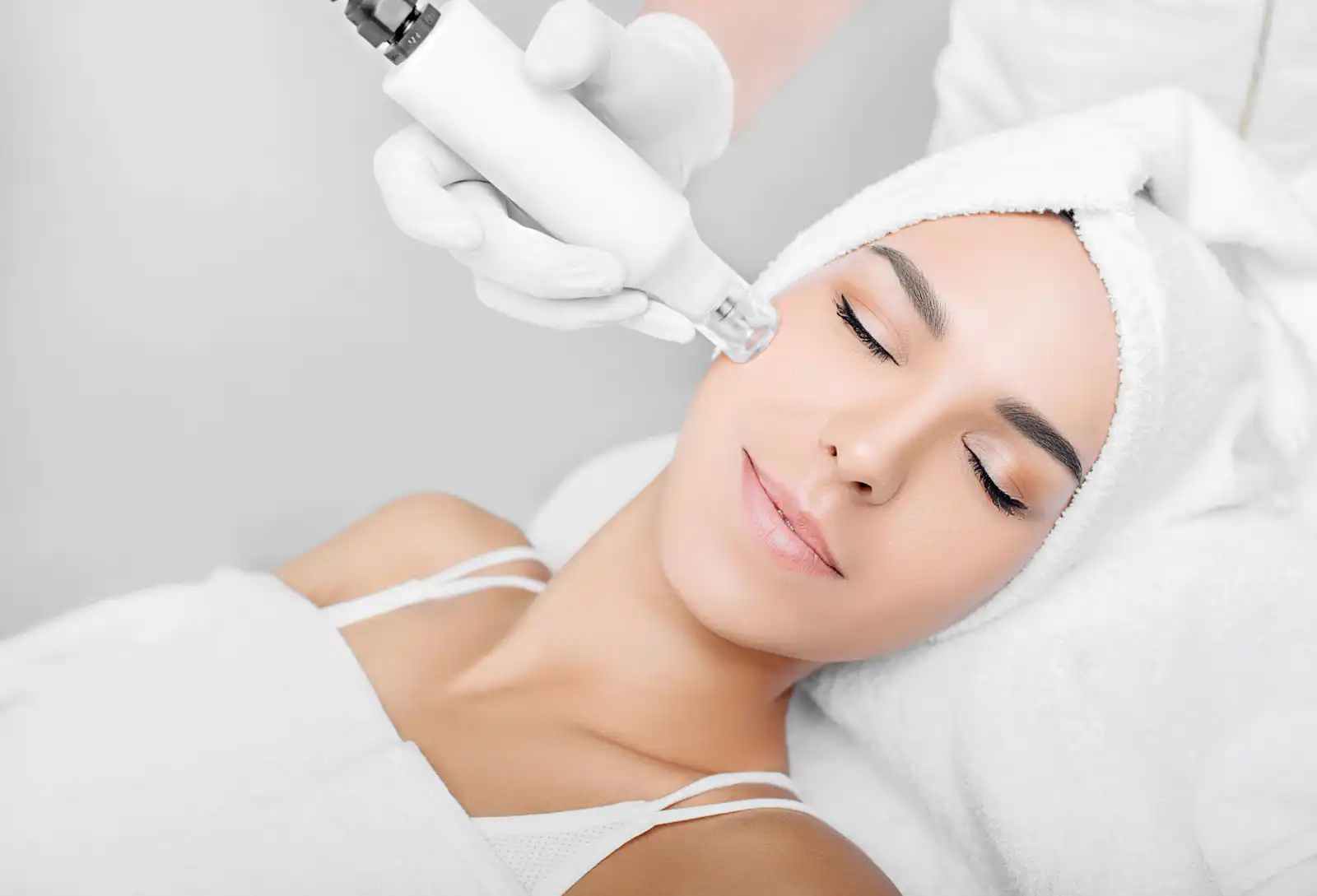
When Should Mesotherapy Treatment Be Avoided?
Mesotherapy may need to be postponed or avoided when certain medical conditions, skin problems, or individual risk factors increase the possibility of complications. A proper health assessment helps determine whether the procedure is appropriate.
1. During Pregnancy and Breastfeeding
Mesotherapy is generally avoided during pregnancy and breastfeeding because there is limited reliable safety information about many injectable formulations in these situations.
Some ingredients may not have been adequately studied for their effects on pregnancy or breastfed infants. Since cosmetic procedures are elective, postponing treatment is generally the more cautious approach.
2. When an Active Skin Infection Is Present
Individuals with an active skin infection should avoid injections in or near the affected area until the infection has completely resolved.
Conditions that may require postponement include:
Bacterial skin infections.
Fungal infections.
Active herpes outbreaks.
Inflamed or infected acne lesions.
Open wounds or damaged skin.
Introducing needles into infected or irritated tissue may increase the risk of spreading infection, inflammation, and delayed healing.
3. In Cases of Allergies to Treatment Ingredients
People with known allergies to any component of a mesotherapy formulation should not receive that particular treatment.
Potential allergens may include vitamins, local anaesthetics, preservatives, or other substances used in injectable products. Even ingredients commonly found in cosmetic preparations can cause reactions in sensitive individuals.
A detailed allergy history and review of the complete ingredient list are important before proceeding.
4. When Blood-Clotting Problems Are Present
People with bleeding disorders or certain clotting abnormalities may have an increased risk of bruising, prolonged bleeding, or complications following injections.
Those taking anticoagulant or antiplatelet medication should also discuss their treatment with the prescribing healthcare professional. Medication should never be stopped independently to make someone eligible for a cosmetic procedure.
5. During Uncontrolled Medical Conditions
Certain medical conditions can affect the body's response to injections and its ability to heal.
Extra caution or postponement may be necessary for individuals with:
Uncontrolled diabetes.
Significant immune system disorders.
Active autoimmune disease.
Serious cardiovascular conditions.
Conditions associated with impaired wound healing.
The decision depends on the severity of the condition, current treatment, and the specific substances being injected.
Can Certain Skin Conditions Increase Mesotherapy Risks?
Yes. Existing skin problems can influence how the treated area responds to injections.
People experiencing severe inflammation, unexplained rashes, eczema flare-ups, or psoriasis outbreaks may need to delay treatment. Injecting into compromised skin can increase irritation and interfere with normal healing.
Individuals with a history of keloid formation or abnormal scarring should also discuss their concerns before undergoing an injectable procedure.
What Factors Should Be Checked Before Treatment?
A thorough consultation helps identify possible contraindications and reduces avoidable risks. Several factors should be reviewed before deciding whether mesotherapy is appropriate.
| Assessment factor | Why it matters |
|---|---|
| Medical history | Identifies existing health conditions. |
| Medication use | Highlights possible bleeding or healing concerns. |
| Allergy history | Helps prevent ingredient-related reactions. |
| Skin condition | Identifies infection or active inflammation. |
| Previous procedures | Reveals possible reactions to earlier treatments. |
| Treatment ingredients | Helps assess formulation-specific risks. |
Patients should provide accurate information about their health, medications, previous cosmetic procedures, and known sensitivities.
What Happens If Mesotherapy Is Performed Despite Contraindications?
Proceeding without identifying relevant risk factors may increase the likelihood of unwanted reactions.
Possible complications include:
Persistent redness and swelling.
Bruising around injection sites.
Localised pain or tenderness.
Allergic reactions.
Skin infections.
Changes in skin pigmentation.
Nodules or irregularities beneath the skin.
Although some mild reactions can occur after injections, severe pain, spreading redness, fever, pus, or rapidly increasing swelling require prompt medical assessment.
When Can Someone Reconsider Mesotherapy?
People who temporarily postpone treatment may be able to reconsider it once the underlying concern has been addressed.
For example, treatment may become an option after an infection clears, an inflammatory skin condition settles, or a medical condition becomes adequately controlled.
However, some contraindications may remain relevant even after symptoms improve. A fresh assessment is necessary rather than assuming that treatment is automatically safe once a temporary problem disappears.
Conclusion
Mesotherapy should be avoided or postponed when pregnancy, breastfeeding, active infections, ingredient allergies, bleeding disorders, or uncontrolled medical conditions create additional risks. Existing skin inflammation and a history of abnormal scarring may also influence treatment suitability. Reviewing medical history, medications, skin health, and injectable ingredients helps support informed decisions. A qualified healthcare professional should assess individual circumstances before any mesotherapy procedure is considered. Safety and realistic expectations should always take priority over cosmetic treatment goals.`1

You Might Like Also

Which Safety Considerations Matter Before Laser Liposuction?

How Can You Assess Penile Enlargement Cost Realistically?

How Should You Prepare for Laser Vaginal Tightening?


What Are the Limitations of HIFU for Skin Tightening in 2026?

What Are the Common Side Effects of Scar Laser Removal?