Why Modern Businesses Can’t Thrive Without Robust erp software

June 23, 2025
In today's rapidly shifting digital economy, the need for businesses to manage operations efficiently and cohesively is more critical than ever. From startups to multinational corporations, the pressure to deliver more with less has pushed many toward automation, real-time reporting, and integrated business systems. At the heart of this transformation lies a powerful solution: erp software.
Short for Enterprise Resource Planning, erp software isn't just a business trend—it's a strategic necessity. It brings together a company’s core functions—such as accounting, inventory, human resources, and customer relations—under one unified system. This centralized platform helps reduce manual effort, increase visibility, enhance productivity, and foster better decision-making.
Let’s explore how erp software is revolutionizing operations, the features that matter most, and how businesses of every size can benefit.
What Is ERP Software?
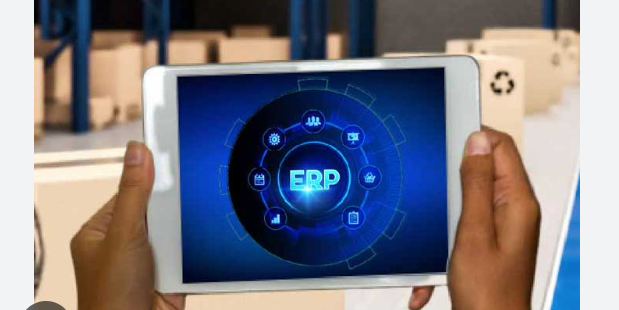
ERP (Enterprise Resource Planning) software is a comprehensive business management tool that integrates various functions into a single system. It’s like the central nervous system of a company—streamlining communication and data across departments in real-time.
Instead of using separate tools for payroll, inventory, and customer management, erp software connects them all. This ensures seamless data flow and accurate reporting, significantly reducing operational inefficiencies.
Most modern erp software is cloud-based, allowing users to access the platform anytime, anywhere. Whether a business is in manufacturing, retail, logistics, or services, ERP systems can be customized to fit the industry’s specific workflows.
Core Modules of ERP Software
Understanding the core modules of erp software will help businesses decide which solution fits their operations best. Here are some of the most common components:
1. Finance and Accounting
Tracks income, expenses, payroll, and budgeting. Real-time financial insights help maintain cash flow and compliance with regulatory standards.
2. Inventory and Supply Chain Management
Monitors stock levels, vendor relationships, shipping logistics, and procurement. Critical for reducing wastage and ensuring timely deliveries.
3. Human Resources (HR)
Handles recruitment, employee data, attendance, performance reviews, and payroll management.
4. Customer Relationship Management (CRM)
Manages sales leads, customer data, and communication history. Improves customer service and retention.
Key Benefits of Using ERP Software
Implementing erp software brings significant advantages, especially for growing businesses looking to scale operations without increasing overhead. Here’s why more companies are adopting it:
✅ Improved Efficiency
Automating repetitive tasks, such as invoicing or inventory updates, saves time and reduces human error. Employees spend less time on paperwork and more on value-added tasks.
✅ Data Accuracy and Centralization
A single source of truth for business data means fewer discrepancies, more accurate reports, and better strategic decisions.
✅ Real-Time Visibility
Managers can monitor KPIs, track performance, and identify bottlenecks in real time. This agility is critical in fast-paced industries.
✅ Regulatory Compliance
Many ERP solutions offer built-in tools for audit trails, tax calculation, and regulatory documentation—helping companies stay compliant.
✅ Scalability
Whether you're adding new users, launching new products, or entering new markets, ERP systems grow with you.
How to Choose the Right ERP Software
Choosing the best erp software depends on several factors. A one-size-fits-all approach rarely works, so consider these key aspects:
1. Business Size and Industry
Some ERP systems specialize in manufacturing, while others are better suited for service industries or retail. Ensure the software caters to your unique needs.
2. Deployment Type
Do you want an on-premises system or a cloud-based platform? Cloud options offer easier maintenance and access from anywhere.
3. Integration Capabilities
Can the ERP integrate with your existing tools—such as payment gateways, eCommerce platforms, or CRM systems?
4. Customization and Flexibility
Look for software that allows feature expansion or module modification as your business evolves.
5. Customer Support
ERP implementation can be complex. Opt for vendors that offer training, onboarding, and 24/7 support.
Common Challenges in ERP Implementation
While the benefits of erp software are substantial, implementation can present hurdles. Knowing these challenges in advance helps ensure a smoother rollout.
⚠️ High Initial Learning Curve
Employees may resist change or take time to adapt to a new system. Investing in proper training is essential.
⚠️ Customization Costs
Customizing ERP software beyond its default modules can be costly and time-consuming. Set realistic goals.
⚠️ Data Migration
Transferring data from old systems to a new ERP platform requires care to avoid loss or corruption.
⚠️ Scope Creep
Without clear planning, ERP projects can drag on or exceed budgets. Define your goals and timelines early.
The Future of ERP: AI, Automation, and Predictive Insights
As technology advances, so does the scope of what erp software can do. Emerging features are turning ERP platforms into proactive business tools rather than reactive systems.
- Artificial Intelligence (AI): Automates customer service, predicts maintenance needs, and suggests inventory orders.
- Machine Learning: Learns business patterns to optimize workflows.
- Predictive Analytics: Helps forecast demand, sales trends, and budget needs with higher accuracy.
- Voice Command Integration: Think ERP systems operated by virtual assistants—saving even more time.
These innovations are shaping a future where ERP doesn’t just support business—it drives it.
Final Thoughts
In a business landscape driven by data, agility, and precision, adopting the right erp software isn’t optional—it’s essential. Whether you're managing a small startup or a multinational enterprise, ERP systems help streamline operations, improve visibility, and future-proof your business.
The key is to choose a solution that aligns with your operational needs, growth vision, and budget. With the right ERP partner, you can eliminate bottlenecks, empower your workforce, and focus on what really matters—growing your business.




